
W4 Youth News keeps you up to date on what’s happening across our organisation and communities. From upcoming and past events, new programmes and youth growth, achievements and community initiatives, we share the moments that matter and how our work continues to support and empower young people.
Friday Night 5’s Is back!
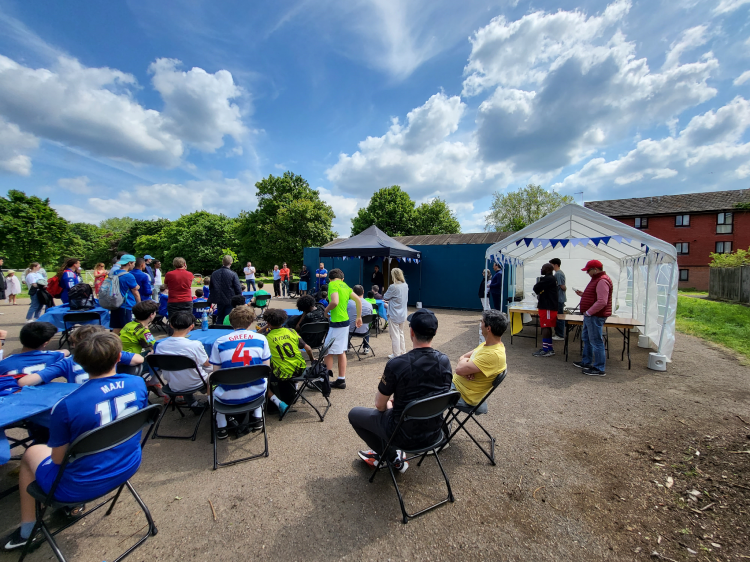
Our winter season is underway, and it’s bigger than ever! With more teams joining us, around 100 young people, families and supporters now come together every Friday night at Southfield Recreation Ground.
The evening is about much more than football. It gives young people the chance to make new friends, build confidence, stay active and feel part of a welcoming growing community. Whether they’re playing on the pitch, cheering on their teammates, development friendships where everyone can enjoy being involved.
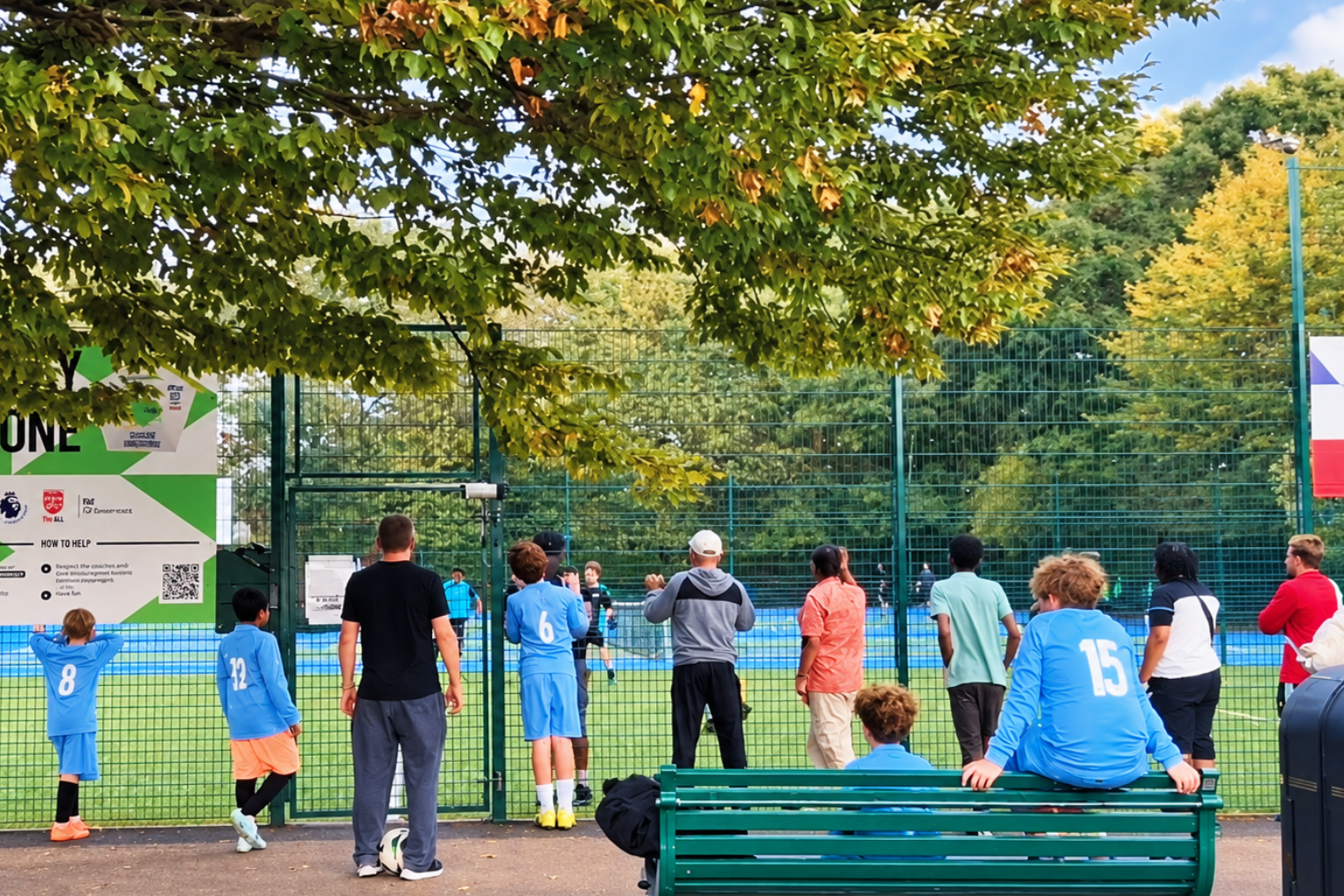
The energy, teamwork and encouragement make Friday nights a fun and positive experience for young people and their families. Week after week, Friday Night 5s brings people together and helps strengthen connections across our community.
Young people have the opportunity to develop their skills, support one another and create lasting memories in a safe, friendly environment. We’re proud to see so many teams, families and local community helping make each evening special.
Sally And W4 Youth Team
New “Train the Trainer” Programme
We are extremely proud to introduce our new Train the Trainer cohort, an intentional pathway created for older youth who are ready to take on greater responsibility and develop key real-world skills. This programme bridges the gap between participant and leader, guiding youth into active community roles.
Through structured training, participants learn how to support our session coaches, lead group exercises and mentor younger children. They also develop communication, teamwork and leadership skills while helping to maintain the welcoming, safe and supportive culture that W4 Youth is known for.
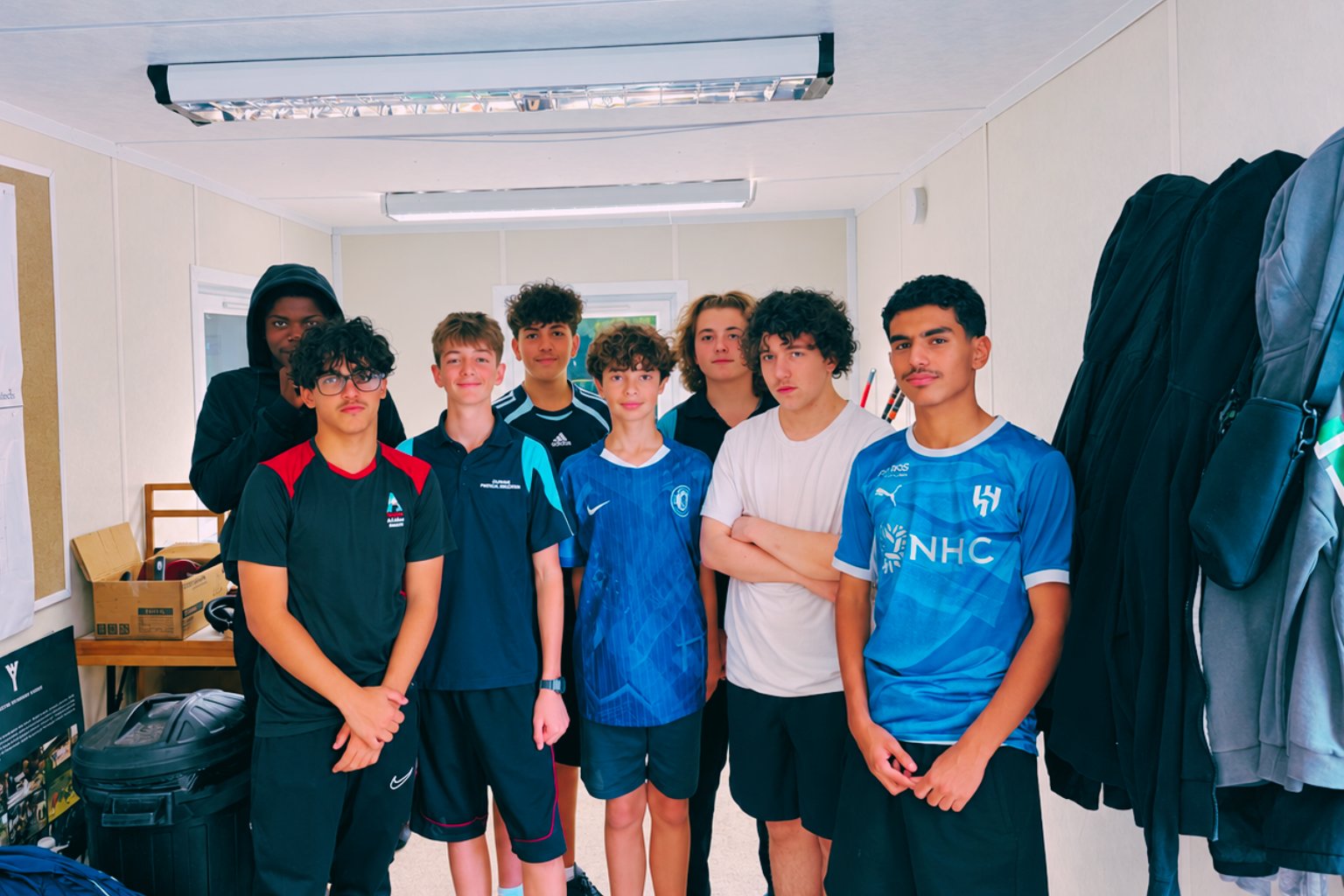
By learning practical leadership techniques, effective communication and how to respond calmly to challenging situations, these young adults gain valuable experience they can carry into everyday life. They develop confidence, teamwork and problem-solving skills while building their CVs, preparing for future employment and supporting their personal growth into adulthood.
Sally And W4 Youth Team
W4 Youth Girls Football
Our W4 Youth Girls Football Training continues to provide a dedicated, structured space where young women can step onto the pitch, stay physically active and develop essential football skills. Through regular training and encouragement from our coaches, participants can build confidence, improve their teamwork and enjoy being part of a supportive team.
Date: Every Tuesday
Time: 5.00pm to 6.30pm
Location: Southfield Recreation Ground, W4 5LD, London
In a safe and encouraging environment, players work on core fundamentals, dribbling, passing, tactical movement, and shooting, while participating in friendly team matches. Our weekly sports sessions give young women of all skill levels a supportive place to build confidence, make friends and enjoy playing together. Whether they arrive with friends or come on their own, they’ll find qualified coaches who encourage teamwork and sportsmanship, from learning ball control and passing to taking part in matches.

Everyone is welcome, from complete beginners to experienced players looking for an extra after-school activity. Our sessions offer a friendly, supportive space for girls to get involved, learn new skills and enjoy playing together. Please share this with other parents or sign up your daughter today to help her build confidence, strengthen her teamwork and enjoy being part of the team.
Sally And W4 Youth Team
New Monday Tennis Sessions
We are pleased to expand the W4 Youth weekly schedule with the addition of organised tennis sessions! Physical activity plays a vital role in youth health and mental wellbeing and these new sessions give local young people a constructive, safe environment to burn off energy after the school day ends.
Date: Every Monday (during term time / light evenings)
Time: 4:00pm – 5:00pm
Location: Southfield Recreation Ground, W4 5LD, London
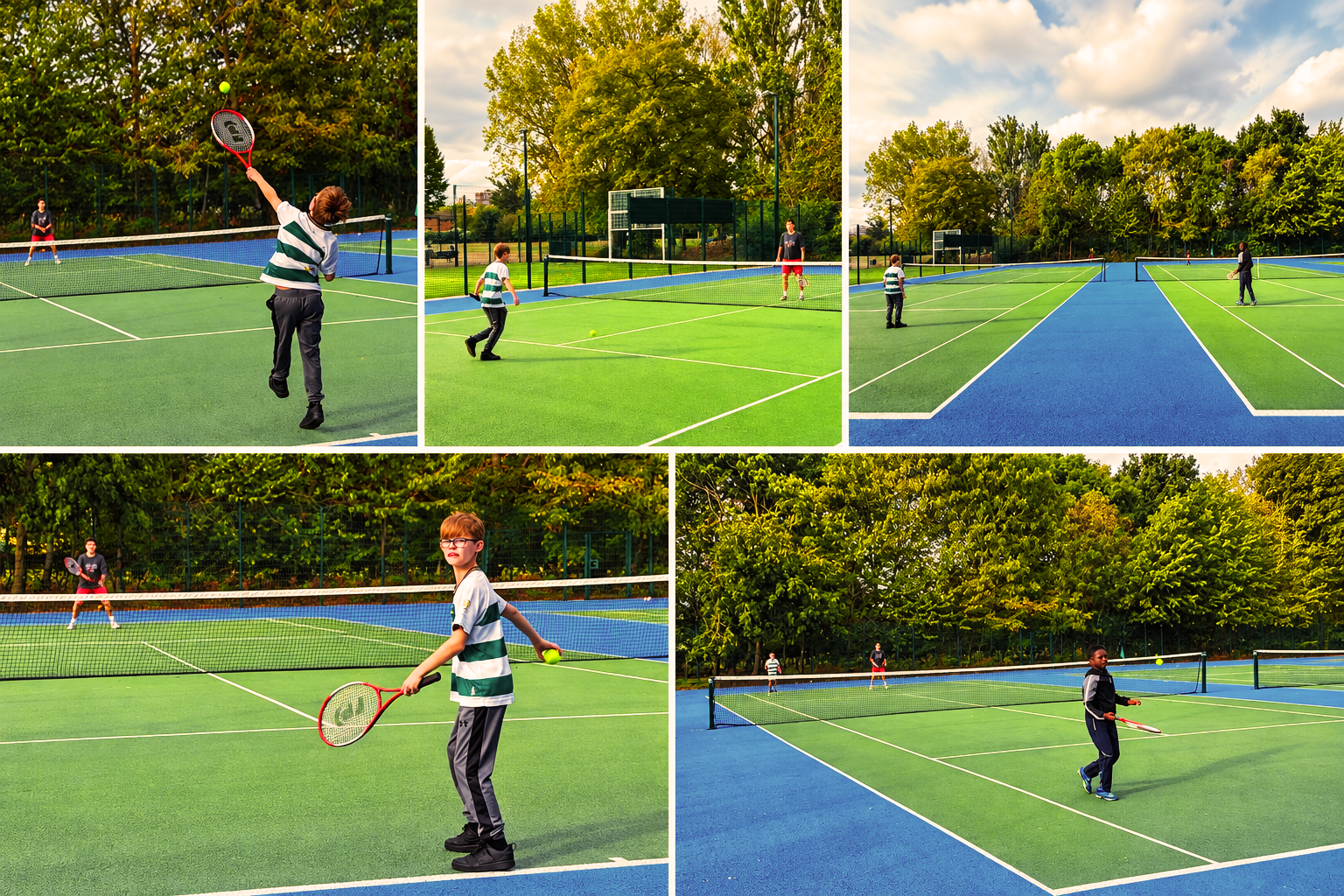
Designed to cater to all ability levels, from absolute beginners learning how to hold a racquet to more experienced players looking for a friendly game, these sessions offer standard coaching drills alongside fun, team-building games.
Spaces are free, register your young person today or drop by during session hours to speak with our head coach.
Sally And W4 Youth Team
A Brilliant Brentford FC Pre-season
Day For W4 Youth And Families
Young people and their families enjoyed an unforgettable day of live football on Saturday after receiving a special invitation to attend Brentford FC’s latest pre-season fixture. For many in attendance, the outing offered a rare chance to experience the energy of a professional matchday together.

The excitement was palpable from the moment the group stepped through the turnstiles. From exploring the stadium concourse to settling into seats right near the pitch, the young fans were immersed in the action from start to finish.
Seeing the players up close provided an incredible boost for the youth.Creating a brilliant buzz that lasted well after the final whistle.Opportunity and inclusion lie at the heart of community initiatives like this.
Bringing families together in a welcoming and supportive environment helps young people feel a strong sense of belonging and encourages them to develop their athletic ambitions. It also gives parents and carers the chance to enjoy a fun day out, connect with other families and cheer on the young people as they take part.
A huge thank you goes out to Brentford FC for their warm hospitality and continued support. Their effort in hosting the group and making every attendee feel valued made the event truly special for everyone involved.
Sally And W4 Youth Team
Brentford FC Gives Back To W4
Youth With Football Boot Donation
Community partnerships are not only impactful but also long-lasting, and we are very thankful to Brentford FC for their generous contribution that has enabled the young people of W4 Youth access to football boots.
For many young people, having the correct gear can mean the start of participating in sport. For those that may be attending sessions for the first time or even those that attend each week, having football boots can give them a sense of preparation, inclusion and enjoyment of the game.
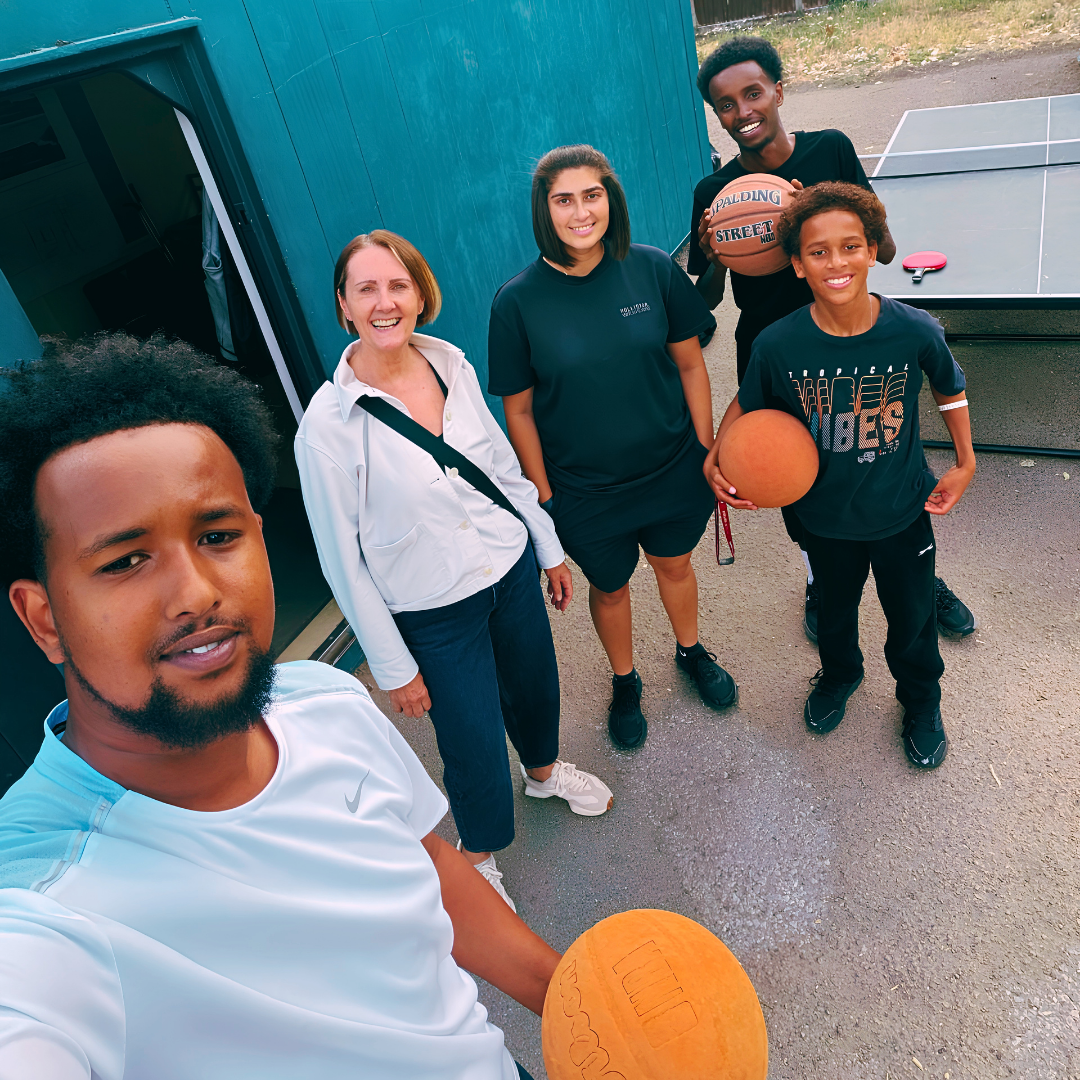
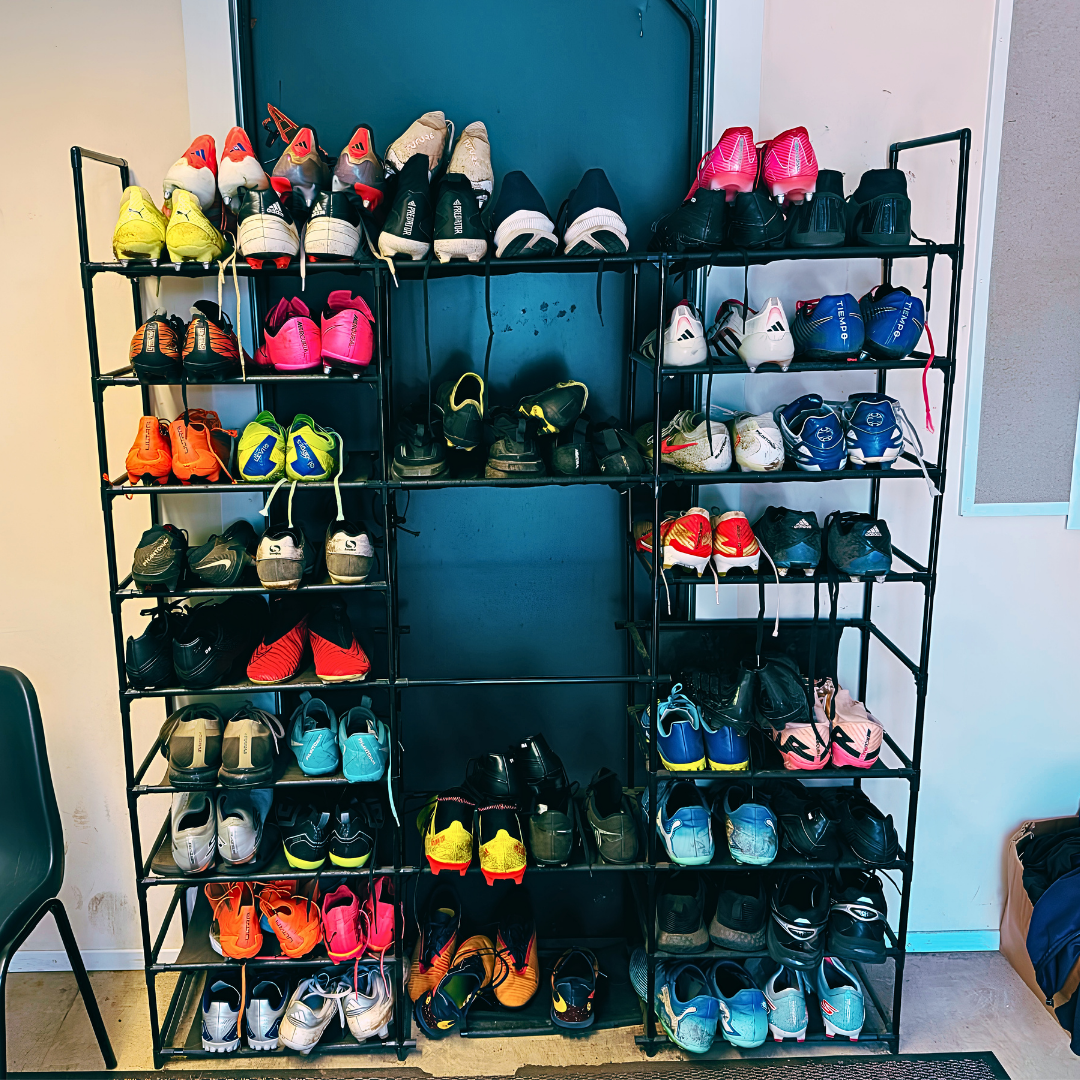
For W4 Youth, football is not only about the game but also serves to empower our young people, develop their skills in teamwork and leadership, keep them physically active and foster positive relationships in a safe and nurturing atmosphere.
Such donations provide the opportunity for all youth to become part of the program despite their individual situations. A huge thank you to everyone at Brentford FC for visiting W4 Youth and supporting our amazing young people with football boots.
We hope that your generosity will inspire more young people to join us and gain confidence on the field. Together we are providing opportunities, breaking barriers and inspiring the next generation through sports.
Sally And W4 Youth Team
A New Monthly Birthday
Tradition At W4 Youth
At W4 Youth, we are always coming up with ways to ensure that our youth feel celebrated. We have developed a recent tradition at W4 Youth with our monthly birthday party. Each month, we gather all the youth who were born in that particular month to have a fun time, as well as eating cake!
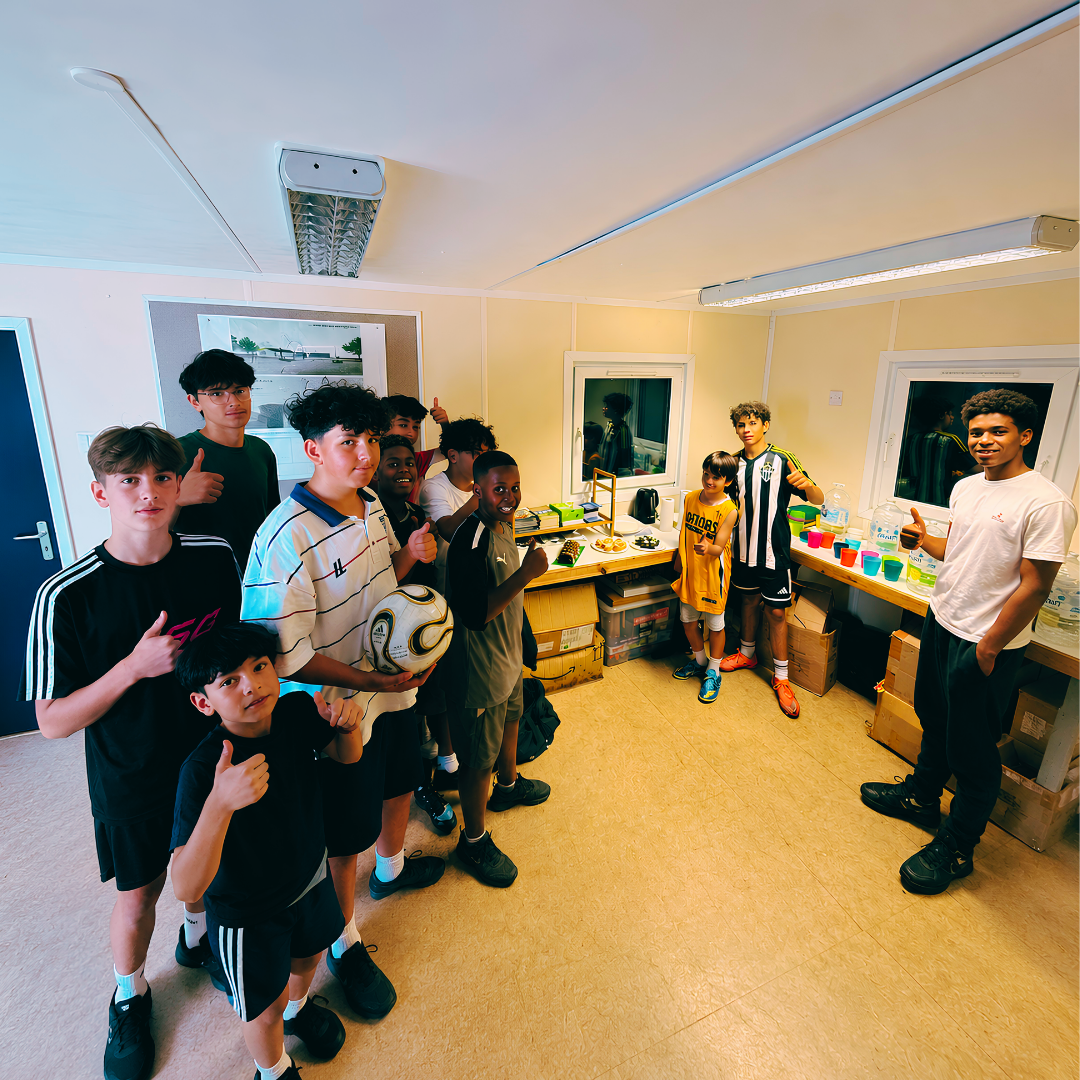

It is an awesome chance for us to acknowledge each individual youth, enjoy their presence within our community and create good memories along the way. We firmly believe that through milestone celebrations such as birthdays, we can create strong bonds of friendship and foster a feeling of belongingness in W4 Youth.
We can’t wait to celebrate many more birthdays together!
Sally And W4 Youth Team
Green Days At Bedford Park
Unites The Community
On Saturday 13th June 2026, residents, families, young people, community organisations, local police officers, councillors, and volunteers came together at Green Days as part of the Bedford Park Festival, celebrating the power of community partnership and the positive impact of local engagement across Chiswick.

Working alongside W4 Youth Group, the Southfield Ward Safer Neighbourhood Panel, and the Chiswick Homefields Ward Safer Neighbourhood Panel, the day provided an excellent opportunity for residents to engage with local initiatives, meet community representatives, and learn more about the services and support available within the area. The presence of local police officers and councillors also enabled valuable conversations about community priorities, neighbourhood safety, and the importance of collaborative working in addressing local challenges.

Events such as Green Days play a vital role in fostering community cohesion and creating stronger relationships between residents, public services, and voluntary organisations. By bringing people together in a positive and welcoming environment, these events help build trust, strengthen local networks, and provide opportunities for meaningful participation in community life.

The event also showcased the importance of partnership working between local authorities, neighbourhood panels, youth organisations, and residents. When communities come together with a shared vision, they are better equipped to tackle challenges, improve local outcomes, and create safer environments for everyone.
Throughout the day, attendees connected with neighbours, discussed local issues, participated in community activities and celebrated the strong sense of community spirit that helped make the event a great success. The enthusiasm, engagement, and collaboration shown throughout the day highlight what can be achieved when communities work together.
Also, we look forward to continuing our partnership with the Southfield Ward Safer Neighbourhood Panel, the Chiswick Homefields Ward Safer Neighbourhood Panel, local police teams, councillors, and residents to support initiatives that make our community safer, stronger and more connected.
Sally And W4 Youth Team
The Lonely Generation 2026 Event:
Preventing Youth Loneliness
On Tuesday, 12 May 2026, the local community of Chiswick gathered at The Chiswick Cinema to address what organisers described as one of the defining challenges of the decade: the growing crisis of youth isolation across the UK.
Held during Mental Health Awareness Week, the panel explored the urgent need to tackle youth loneliness and its impact on young people locally and nationally.
Recent data reveals a heartbreaking modern shift, with 70% of young people reporting chronic feelings of loneliness, the highest rate of any demographic in the country.
The Panellists:
Jeremy Vine – TV, Radio Presenter and Journalist
Sally Chacatté – Founder of W4 Youth
Nina Kelly – CEO, Safe New Futures
Andy Slaughter – Member of Parliament
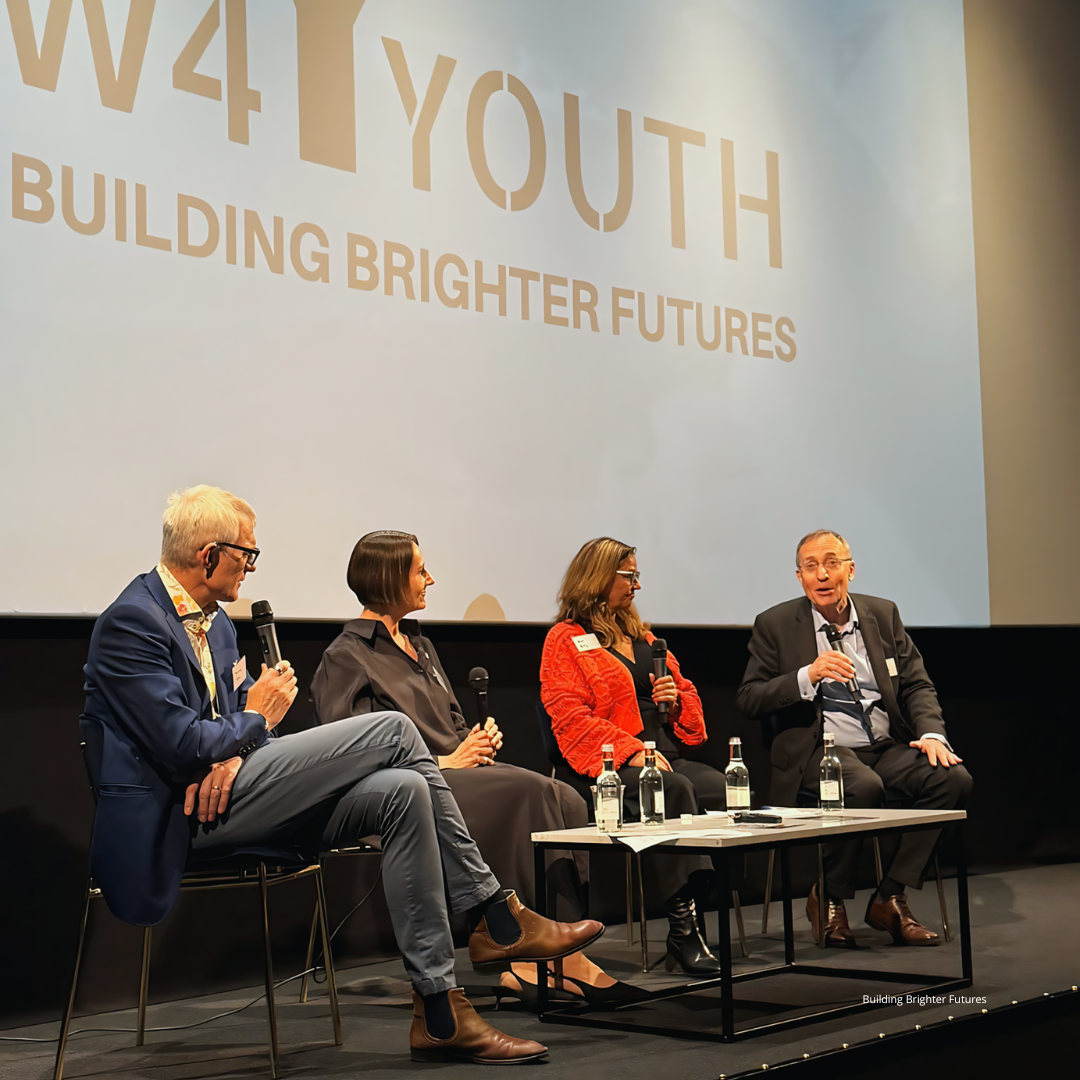
We addressed a packed audience to examine the systemic drivers behind these figures, pointing to a toxic mix of economic uncertainty, social media pressures, and the lingering, compounding impacts of lockdown.
The event underscored a foundational philosophy: no young person should be invisible. Organisers discussed that the single most effective antidote to youth loneliness is the collective care and active presence of the local community.
Our presence establishes a strong foundation for every young person to feel safe, seen and grounded through real-world human connection. Through structured mentoring programmes and the introduction of positive role models for youth, community groups are aiming to build the robust community outreach framework required to alter the trajectory of vulnerable lives.
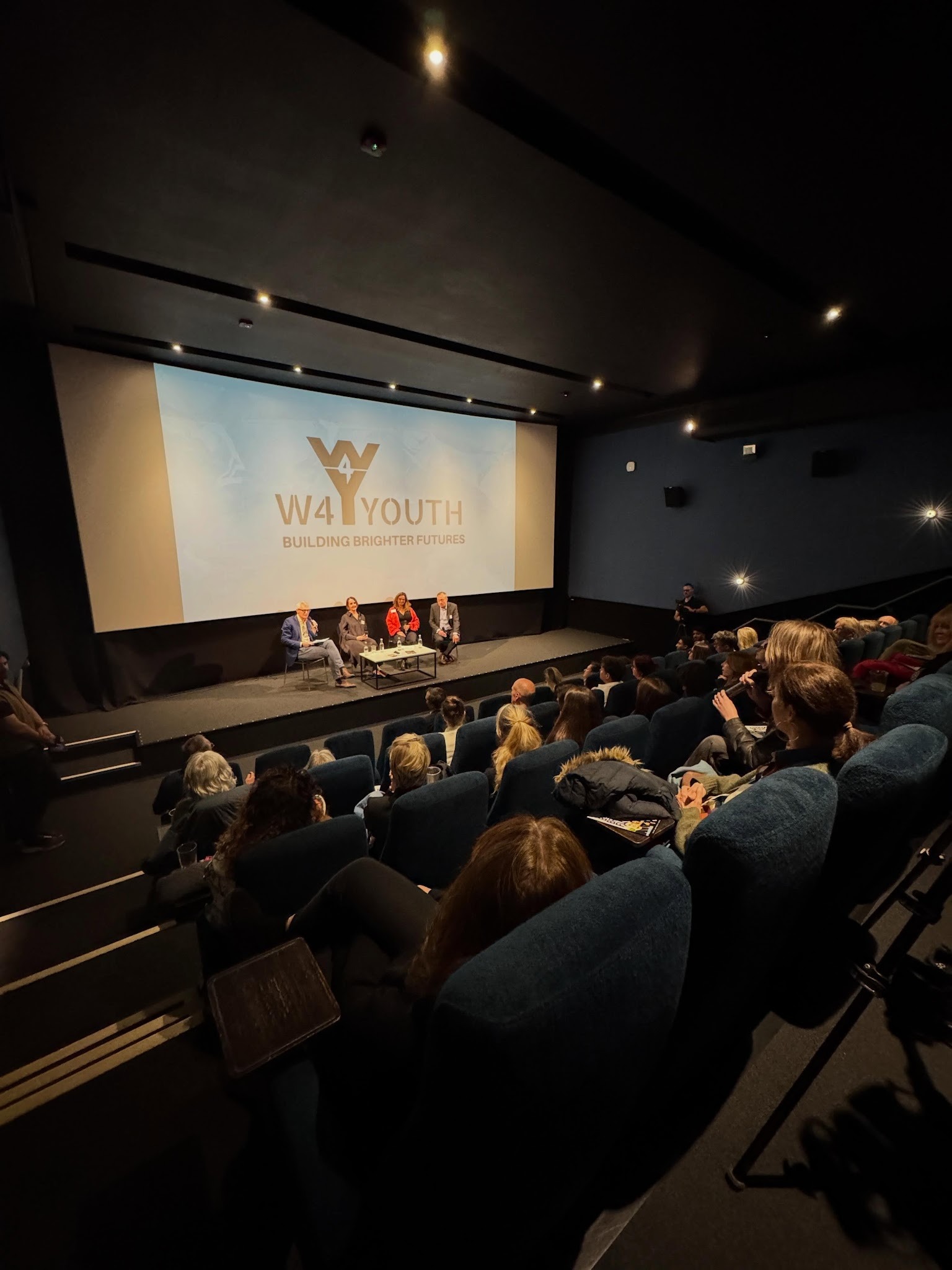
Special thanks to The Chiswick Cinema for hosting our “Preventing Youth Loneliness” event so brilliantly during Mental Health Awareness Week and for creating such a welcoming space for an important evening of conversation, connection, and community. We are incredibly proud to support these crucial efforts!
Massive thanks to our guest speakers Jeremy Vine, Nina Kelly and Andy Slaughter for sharing your wisdom, knowledge and vital insights to bring the urgency of youth loneliness to light.
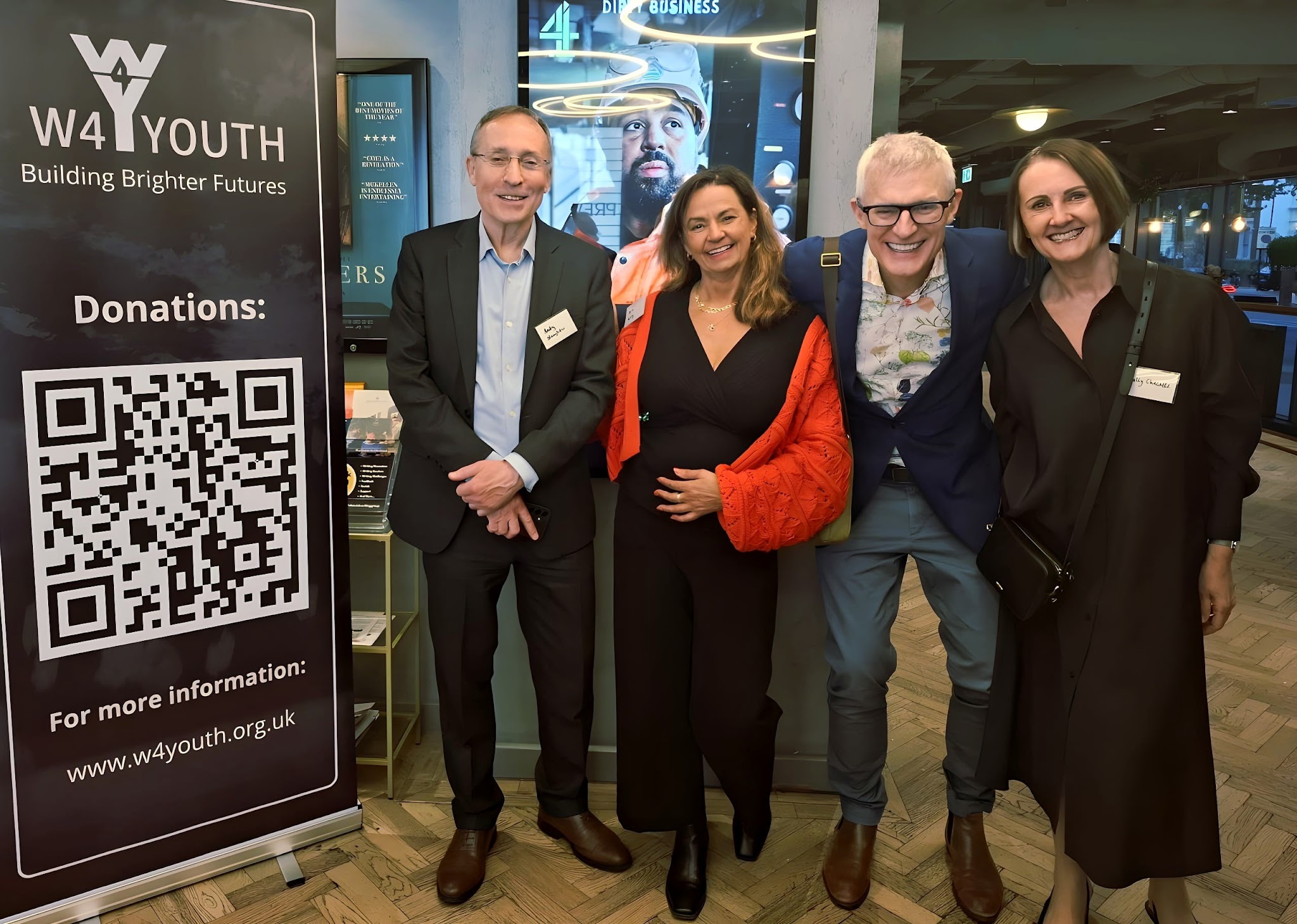
Most importantly, we cannot forget our amazing W4 Youth members and everyone from the community who took the time to attend. They showed that the collective care of the community is the best remedy for loneliness in young people, creating a space where every young person felt safe, visible and deeply connected.
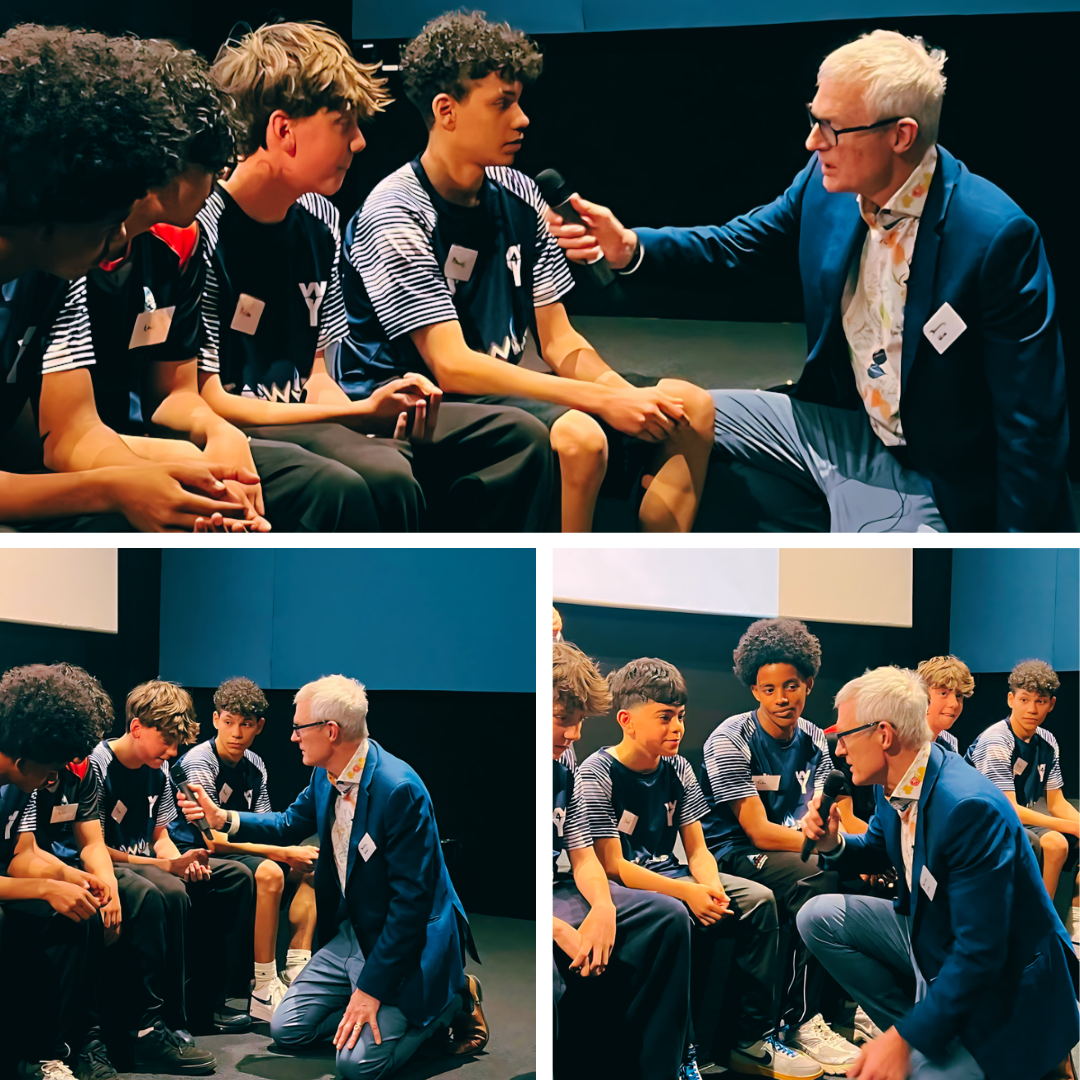
Your presence and engagement proved that when the community stands together, we can build brighter futures for our youth.
Sally And W4 Youth Team
Our Summer Clubs
The summer clubs will run at Southfield Recreation Ground, London W4 5DL. At these clubs, you will find a safe, friendly environment where your kids can participate in a variety of different activities, develop friendships with others, and experience being part of the W4 Youth “family”. All activities are designed to recharge their energy, inspire creativity and develop confidence.
What’s On at the Summer Clubs?
W4 Youth’s programme blends grassroots sports, fitness, and creative arts to support physical wellbeing and self-expression:
1.00pm – 5.00pm: Basketball, Boxing Fitness, Football Coaching and Tournaments
3.00pm – 5.00pm: Musical Theatre & Street Dance
From hoop shooting and football skills to dance routines and performance confidence, there’s something for everyone, no experience needed.
Why Free Youth Activities Matter:
Free youth clubs with good standards contribute significantly to youth development. They:
1. Promote Confidence and Resilience
2. Encourage Healthy and Active Lifestyle Habits
3. Assist in exploring new hobbies among young people
4. Create inclusive spaces for the community where everyone belongs
At W4 Youth, “Safeguarding and inclusion are our priorities; we encourage kids to smile big, challenge them to do something new, and get them back home with a new skill, a new friend and memories of joy.”
How to Get Involved!
Know a young person who would love this? Share with parents, carers and friends when we support young people, wonderful things happen. 🖤
Sally And W4 Youth Team
Friday Night 5s Leagues
W4 Youth’s Friday Night 5s Leagues are more than just a game; they are a source of structure, inspiration and a safe space for young people to learn important life skills. Local schools and youth clubs in West London are invited to enter a team and be part of this exciting youth football initiative.
Get Involved!
📅 Every Friday (February 2026)
🕒 5.00pm – 7.00pm
📍 Southfield Recreation Ground, London W4 5LD
📩 w4youth@w4youthclub
🌍 http://www.w4youth.org.uk
The leagues will be hosted by W4 Youth in partnership with Rocks Lane.

The leagues are targeted at Year 6, 7 and 8 school students and offer an opportunity for local schools and youth clubs to collaborate on promoting confidence in teamwork as well as generating positive social interactions between the players. Participating in a youth football league is important for developing the young player’s personal character.
Smaller-sided games, such as 5-a-side, provide an opportunity to:
1. Improve the young player’s technical football skills
2. Learn how to work as a group and communicate with their teammates
3. Create a sense of self-confidence and perseverance within themselves
4. Create friendships and bonds with others in their local community
Because the games are played on Friday nights, they provide an alternative, positive, and engaging activity for youth during the last few hours of their school week The league’s use of Friday evenings allows another healthy alternative for those who have just completed a long week of school to continue their participation and to be active and engaged in events that has positive support from their peers and community.
W4 Youth’s goal is to create a safe and inclusive community for young people to be a part of regardless of the level of sport they play or what type of background they come from. By partnering with Rocks Lane, the programme is able to provide a quality recreational experience for young athletes while providing a focus on friendship, fun and well-being.
Whether you’re looking to support youth development, encourage healthy lifestyles, or strengthen community connections, Friday Night 5s Leagues by W4 Youth are where football meets purpose.
Sally And W4 Youth Team
Celebrating Community At The
St Peter’s Church Christmas Fair 2025
On Saturday 29th November 2025, the St Peter’s Church Christmas Fair brought the local community together in a joyful way: joyful because of all of the Christmas spirit that surrounded it and how beautifully the church was decorated with hundreds of little twinkling lights and wreaths.

Christmas fairs are very important to the local community. They provide a warm environment for families, friends and neighbours to come together as one community. The St Peter’s Church Christmas Fair provided this warm community environment and promoted the joy of buying gifts and socialising locally for the Christmas season.
Here are some videos from the event:
The St Peter’s Church Christmas Fair truly embodied and embraced the spirit of Christmas and was a true reflection of a festive community celebration.
Sally And W4 Youth Team
Turn Everyday Shopping
Into Support For W4 Youth
Did you know that you can change young lives for the better and it won’t cost you a thing? Easyfundraising is a simple way to enable all your purchases to benefit the youth development initiatives at W4 Youth, giving youngsters the chance to flourish in a positive, supportive, and empowering environment.

Why Your Support Matters?
W4 Youth exists in order to support young people in the following ways:
– Confidence building
– Skill development
– Positive role models
– Safe and inclusive community spaces
Small actions, like choosing to shop via easyfundraising, add up to big opportunities for young people. It’s one of the easiest ways to give back, especially when either time or finances are in short supply.
How does easyfundraising work?
It’s simple: when you shop online with easyfundraising, a percentage of what you spend is donated to W4 Youth by the retailer. You pay nothing extra, there’s no catch, and there’s just meaningful impact created from shopping you already do.
From fashion and food shopping to travel bookings and tech purchases, hundreds of popular retailers are part of the scheme. That means every click helps fund youth work, free activities, safe spaces and community programmes for young people in West London.
Be a part of a community of conscious consumers and contribute towards the empowerment of the future generation:
Make Giving Back Easy!
https://www.easyfundraising.org.uk/causes/w4-youth/
Together, we can turn everyday online purchases into brighter futures!🖤
Because when we support young people, wonderful things happen.
Sally And W4 Youth Team
A Day At St James’ Palace For Youth Opportunities Summit 2025
From Pain To Purpose…
Tuesday, 15th July 2025, marked an unforgettable moment; we had the absolute honour of being invited to the Youth Opportunities Summit at St James’s Palace, hosted by His Majesty the King.

Alongside the King, the Prime Minister, Idris Elba, government officials, charities, and organisations from across the UK gathered with a shared commitment: to drive real, lasting change for young people.
The message was clear and powerful: every child deserves a safe place to belong, to learn, to grow, and to thrive. And being in a room filled with people who are equally passionate about making this vision a reality was deeply inspiring.

Our work is rooted in lived experience. We know the challenges, because we’ve lived them. And that’s exactly why we show up, speak up, and act every single day. The path from pain to purpose isn’t always easy, but moments like this, where voices are heard, partnerships are formed, and real action is promised, remind us why we do what we do.

We’re not just talking about change… We’re part of it.
Sally And W4 Youth Team
Preventing School
Exclusions Network Event!
Thank you to all who attended our first Preventing School Exclusions Network event last week, in partnership with Young Ealing Foundation and Parents Action and Resource Centre on Thursday 12th June at 9:30am at Greenford Library. 🙌
Here are a few photos from a truly inspiring day! 📸
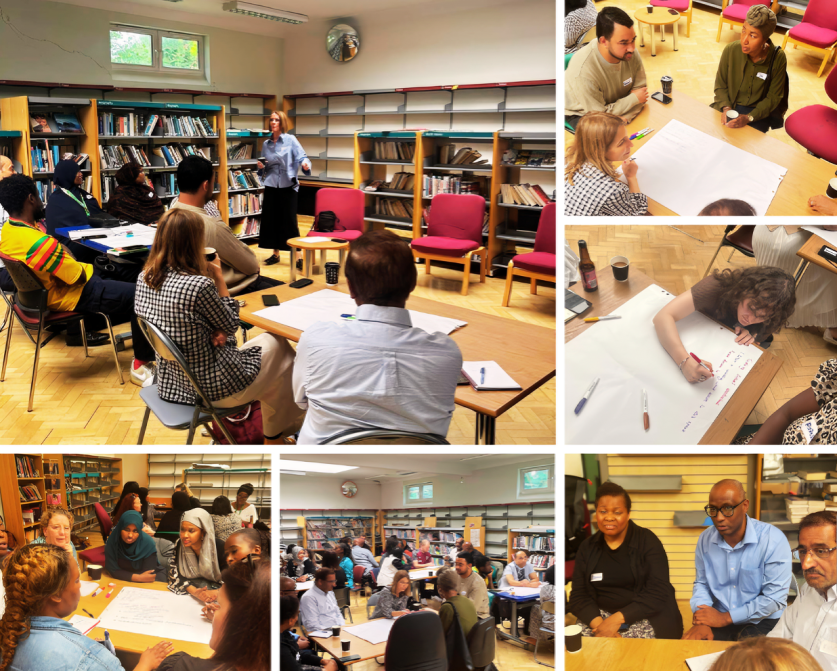
Sally And W4 Youth Team
W4 Youth In The Community

We had a fantastic time connecting with our community at two brilliant local events. On Saturday 10th May 2025, W4 Youth attended the St Peter’s Church Jazz Festival, a wonderful celebration of jazz talent and togetherness.
On Sunday, 8th June 2025, we joined the vibrant Green Days fete, as part of the Bedford Park Festival, alongside St Michael & All Angels Church. It was an amazing day of fun, connection, and celebration in Chiswick!
Thank you to everyone who stopped by to learn more about our work with young people.
We’re looking forward to joining more community events at the Flower Market in November and the St Peter’s Church Christmas Fare on Saturday 29th November 2025.
Sally And W4 Youth Team
Train The Trainer 2025
First Cohort Smashes It! Our first-ever Train the Trainer programme has officially wrapped and it’s been a huge success!
We’re proud to announce that all 10 participants will now volunteer as coaches with W4 Youth until they are 16, after which they’ll have the chance to step into paid roles with W4 Youth or our partners. One participant of the programme, who is just 16, will be joining us as a Trainee Coach in the summer.
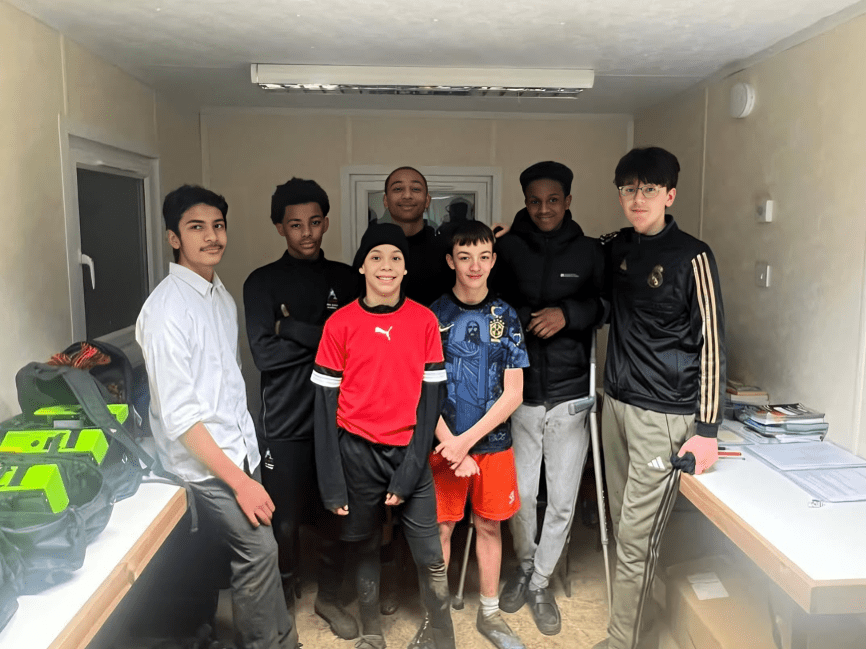
With funding support, we will launch two cohorts each year starting in September 2025, creating meaningful, long-term opportunities for young people in our community.
Sally And W4 Youth Team
Dear Support,
On Saturday 5th July 2025, we held a Community feedback day for people to share their feedback and ideas on the proposed Community Hub in Southfield Recreation Ground. We’re excited to share draft plans for a new Community Hub designed to bring people together and meet community needs.

The hub will be made up of three spaces:
• A welcoming Café, with its own entrance, run by a local café owner – the perfect spot to relax, connect, or grab a coffee whilst visiting the park.
• A Nursery, also with a separate entrance and a small outdoor garden, operated by a trusted local provider – offering a safe and inspiring space for our youngest community members.
• A flexible community space featuring a large, multi-purpose studio for events, classes, and activities; two spacious meeting rooms that double as changing rooms; and modern shower and toilet facilities for everyone using the hub and enjoying the park’s sports areas.
This vision is for the Hub to be a heart of community life – a place to learn, play, grow, and connect.
We had some great ideas, with everyone supportive of the proposed Hub. However, we’d like to give everyone the opportunity to share their views with us, as they really matter to us!
Please complete the survey, having taken a look at the two proposed concept diagrams and plan.
The survey should only take around 3 to 5 minutes to complete: https://digitallibdems.typeform.com/to/NTtetW8G
Thank you,
Sally And W4 Youth Team
W4 Youth becomes an accredited
Living Wage Employer!
Big News from W4 Youth!
We’re incredibly proud to share that W4 Youth is now an accredited Living Wage Employer, a Commitment to Fair Pay and Stronger Communities.
This step represents more than just a new badge, it’s a bold affirmation of our values, our community commitments, and our belief in building a future where everyone is treated with dignity, respect and fairness.

What Is the Real Living Wage?

The Real Living Wage is an hourly rate calculated based on the true cost of living in the UK. Unlike the government minimum wage, which is a legal requirement, the Living Wage is voluntary and independently calculated by the Living Wage Foundation. It reflects what people need to earn to meet everyday essentials, from housing and energy bills to food and transport.
By paying the Real Living Wage, organisations like W4 Youth are helping to tackle in-work poverty and promote long-term, sustainable employment.
Why This Matters To W4 Youth
At W4 Youth, our mission has always been rooted in empowering young people through safe spaces, creative programmes, sports and opportunities for personal development. But just as we strive to nurture the next generation, we also believe it’s our responsibility to uplift the people who make our work possible: our staff, contractors and partners.

By becoming a Living Wage accredited employer, we’re committing to:
– Fair pay for all employees and contracted workers
– Transparent and ethical employment practices
– Supporting economic equality in our West London community
We know that when people are paid fairly, they’re more empowered, more stable, and better able to contribute meaningfully to their work and the lives of the young people we serve.
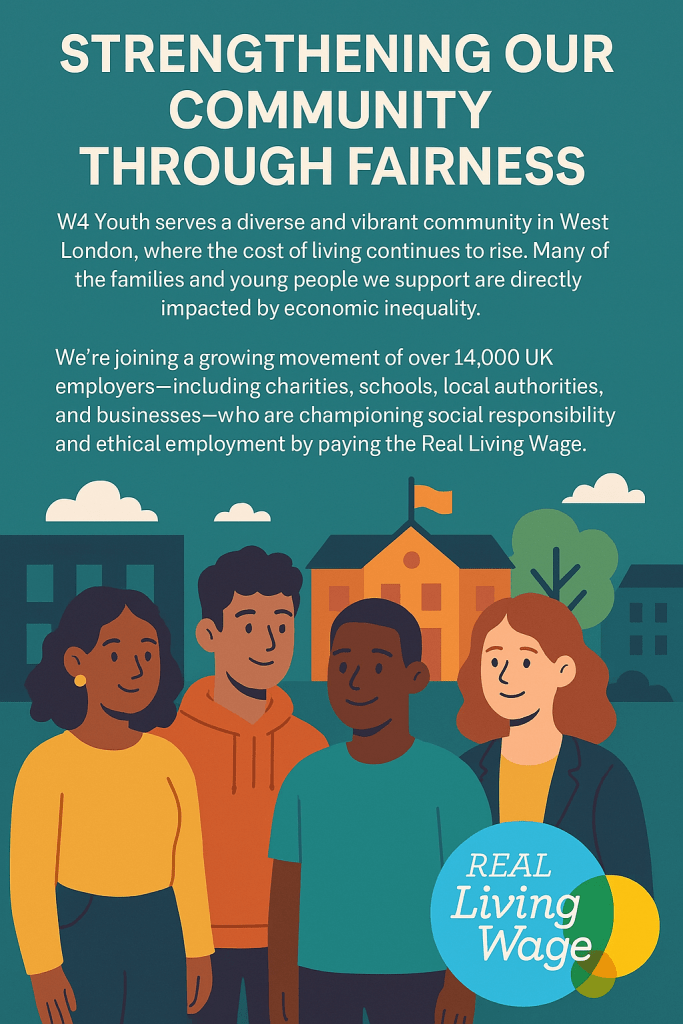
Strengthening Our Community Through Fairness
W4 Youth serves a diverse and vibrant community in West London, where the cost of living continues to rise. Many of the families and young people we support are directly impacted by economic inequality. Taking this step means we are aligning our operational values with our social mission, helping to build a stronger, more resilient local economy.
We’re joining a growing movement of over 14,000 UK employers, including charities, schools, local authorities, and businesses, who are championing social responsibility and ethical employment by paying the Real Living Wage.
Looking Ahead
Our Living Wage accreditation is part of a wider commitment to fostering a culture of equity, opportunity and wellbeing both within our team and across the communities we serve. We believe that change begins from within and we’re proud to model the standards we advocate for in the world.
We’re excited to continue this journey, and we invite our supporters, funders, and fellow organisations to join us in championing fair pay, inclusive practicesand lasting social impact.
Thank You for Supporting W4 Youth!
To our donors, volunteers, partners, and community champions, thank you!
Your belief in what we do helps us grow stronger every day. Together, we’re building a brighter future for West London’s young people one where everyone has the chance to thrive.
For more information about the Living Wage Foundation:
visit http://www.livingwage.org.uk

Sally And W4 Youth Team
The Inspiring Journey
(History of W4 Youth)
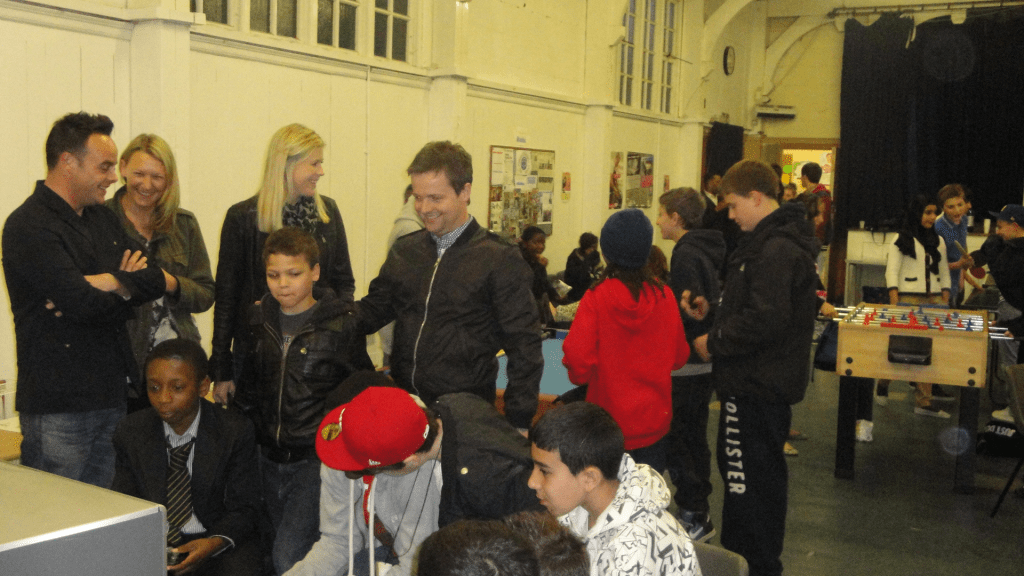
W4 Youth is a powerful story of resilience, vision, and commitment to empowering young people. Since its launch in 2009, it has grown into a cornerstone of youth engagement in Southfield Recreation Ground and the local church hall.
This blog highlights the key milestones that have shaped our journey and the exciting future ahead.
How It All Began: A Tragic Event Sparks Change (2009)
In January 2009, a devastating event changed everything, our founder’s son was shot in the face by a gang. Instead of giving in to despair, this tragedy ignited a mission. By April 2009, her son proposed the creation of a youth group to provide safe spaces and positive opportunities for young people.

By September 2009, 30 students from Chiswick School formed the Chiswick Youth Project, producing a video to raise awareness about the lack of youth spaces. By November, a dedicated team of parents and volunteers laid the foundation for what would become W4 Youth.
Building A Vision: Growth & Expansion (2010-2012)
In March 2010, the Chiswick Youth Project rebranded as W4 Youth. A merger with Osterley Royals led to the creation of CYFC, integrating football into the programme. By September, W4 Youth launched Friday night youth clubs at St Peter’s Church Hall.
The next two years marked significant growth:
March 2011: W4 Youth became a registered Charitable Trust
June 2011: Engaged in community outreach at Green Days
September 2011: Expanded to three days a week, adding street dance and boxing fitness
2012: Raised major funds through events like the Estate Agents 7s and Royal Berkshire Polo Club Ball
Scaling Up: Securing a Permanent Home (2018-2021)
After years of steady growth, W4 Youth focused on finding a long-term home:
July 2018: Submitted a tender for a site at Southfield Rec.
November 2019: Successfully advanced in the tender process, securing a Joint Venture Agreement
2020: Adapted to the pandemic with online dance and football coaching
April 2021: Moved indoor activities to Hogarth Community Centre while continuing outdoor football at Southfield Rec.
July 2021: Became a Limited by Guarantee Company and a registered charity, setting the stage for the Community Centre Capital Project.

Strengthening Community Connections (2022-2023)
With in-person activities back in full swing, W4 Youth focused on expanding community engagement:
2022: Hosted a full year of in-person programmes to help young people reintegrate socially
2023: Participated in major community events like the Chiswick Flower Market and Cheese Market
February 2023: Opened new Hub in Southfield Rec to centre activities
May 2023: Organized the Tea Party in the Park and a 5-a-side football tournament
September 2023: Partnered with Rocks Lane Sports Trust to improve Southfield Rec’s community facilities
October-December 2023: Ealing Council surveyed residents, confirming football and basketball as top priorities for Southfield Rec
Looking Ahead: Expansion & Sustainability (2024 and Beyond)
September 2024: Acquiring a second Hub in Southfield Rec
October 2024: Launching Friday Night 5s with Rocks Lane
January 2025: Ealing Council applies for a Football Foundation PlayZone grant, including a 3G pitch and basketball key
January 2025: Launching a Train the Trainer program to equip young people with leadership skills for employment
February 2025: Submitting design plans for a prefabricated Community Centre in Southfield Rec
February 2025: Kicking off a local fundraising campaign to sustain free youth activities and expand community spaces
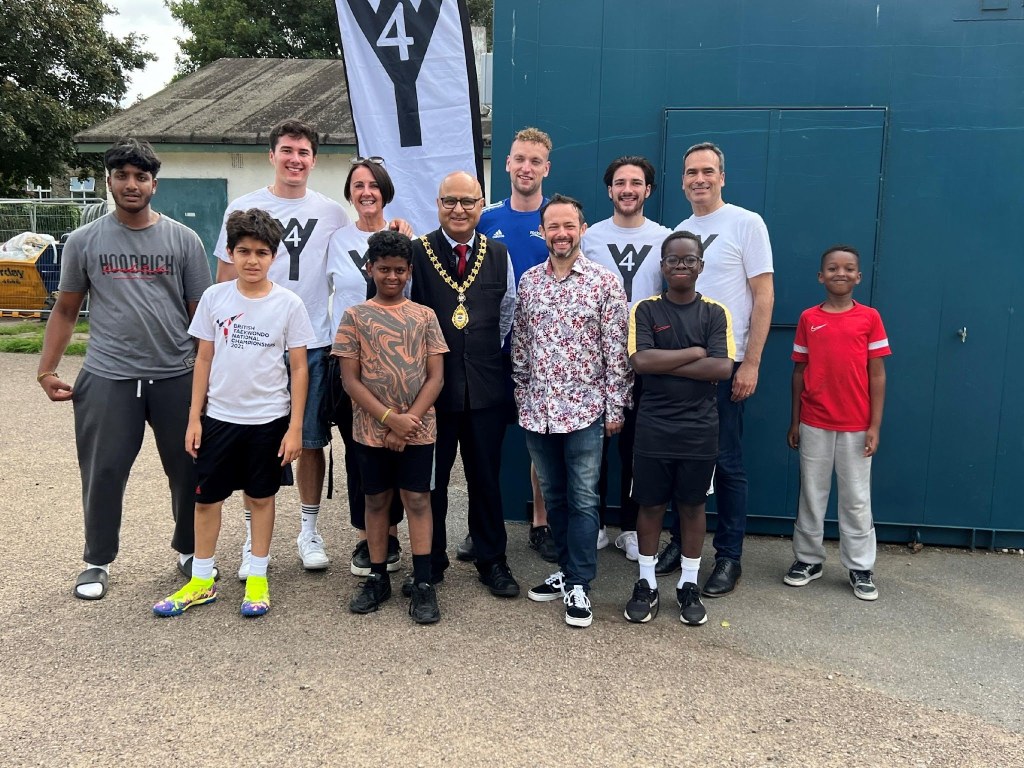
Join Us in Building a Brighter Future
W4 Youth’s journey from tragedy to becoming a vital community institution is a testament to resilience, dedication, and teamwork. As we expand, we remain committed to creating safe, engaging, and transformative spaces for young people.
Be part of our mission, support W4 Youth and help shape a better future for our community!
Sally And W4 Youth Team
Blogs
W4 Youth blogs provide an educational resource for the youth. They are offered with an extensive variety of different youth-related developmental topics to support youth personal development and future success. Each blog entry reflects the W4 Youth mission as a source to help youth learn to be resilient, develop critical thinking skills and grow thoughtfully while exploring the opportunities.
Is a Social Media Ban the Answer?
Could the UK’s under-16 social media ban isolate children?
UK data shows that 97% of 13–15-year-olds own a mobile phone, and 13–14-year-olds spend around four hours online each day. Critics argue that restricting social media access could reduce opportunities for some young people to stay connected with friends and support networks.

The conversation surrounding youth mental health and technology has reached a critical turning point. With growing debates around implementing a blanket social media ban for under-16s in the UK, parents, educators and youth organisations are weighing the potential benefits against the unintended consequences.
While the primary goal of such policies is to protect children from online harms, we must ask an equally vital question – could restricting access inadvertently isolate young people?
Current UK data shows just how deeply embedded digital technology is in the lives of teenagers:
A) 97% of 13 -15 year olds currently own a mobile phone
B) 13 -14 year olds spend an average of four hours online every single day
The Risk of Digital Isolation:
For the modern teenager, the digital world is not just a source of entertainment; it is a primary landscape for socialisation.
Critics of a blanket ban argue that cutting off access entirely could severely reduce opportunities for young people to stay connected with their peers Beyond casual friendships, the internet frequently serves as a lifeline for vulnerable youth.
Digital support groups and online communities offer safe havens for individuals who may feel misunderstood in their immediate physical surroundings. Removing these networks risks removing their primary support systems.

The Connection Dilemma: While a blanket ban aims to protect, it also risks isolating young people from their friends and vital digital support networks when they might need them most. More After School Youth Activities Over Restriction:
At W4 Youth, we believe the solution lies in providing more safe spaces outside of home and school so that young people attend face-to-face activities with peers and learn digital safety from respected adults.
By being outside of the home, this reduces their usage of social media and gives them the much-needed face-to-face interaction with others that creates real connection and reduced isolation and loneliness.

Instead of a total ban, our advocacy focuses on two major pillars:
– Enhancing digital literacy from trusted adults and peers equips young people with the skills to identify online risks, manage screen time, and protect their well-being.
– More safe spaces create supportive online and offline environments where young people can turn to trusted adults and peers.
– Empowering, not restricting and focusing on building resilience and knowledge so the next generation can use digital tools responsibly.
What is your take on this issue? Do you think a social media ban for under-16s would be ultimately harmful or helpful for youth mental health?
How do you think community organisations and schools can better collaborate to support digital literacy for young people in our local area?
Sally And W4 Youth Team
Wellbeing Through Expression:
Why Community-Based Creativity Programmes Matter
Can Creative Arts Help Young People Manage Emotions?
Drama and dance in community settings are proven to help over 60% of young people process complex emotions or trauma that they struggle to verbalise.
Trauma is a deeply personal experience, and for many young people, it can be especially difficult to verbalise. When traditional conversations feel restrictive or overwhelming, alternative methods can support.
At W4 Youth, we firmly believe that mental health support is never a “one-size-fits-all” solution. By introducing dance into community spaces, we reach young people exactly where they are.

When emotions are too heavy or complex, finding the right words can feel nearly impossible. That is where creative movement comes in. By using expression instead of just explanation, we can offer young people an alternative route to healing.
The Power of Movement
Research increasingly shows that body-based, expressive approaches like dance are highly effective tools for youth mental health. Instead of forcing a young person to recount a difficult memory out loud, creative movement allows them to physicalise their emotions in a structured, safe environment.
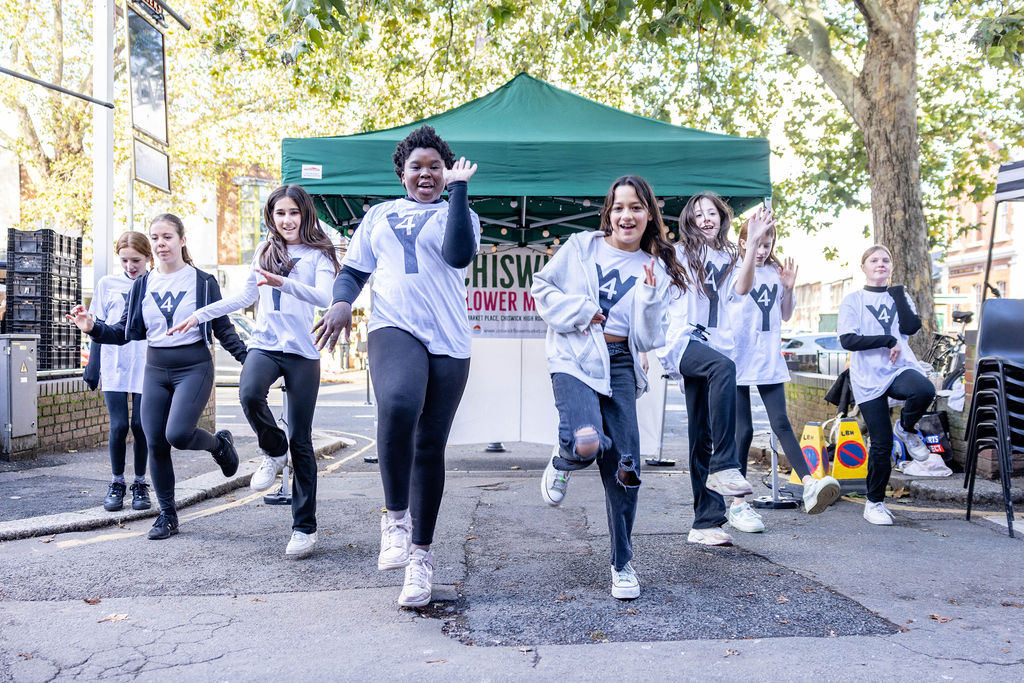
Dance helps them to:
Process safely – Release stored tension and express complex emotions without the pressure of finding the perfect words
Restore confidence – Reconnect with their bodies, develop self-agency, and build healthy self-esteem alongside their peers
Why the body matters – Trauma often triggers a “fight, flight, or freeze” response. Because this response is deeply physiological, incorporating physical movement helps gently signal to the nervous system that it is safe to relax
Our Commitment at W4 Youth
At W4 Youth, we believe that supporting the next generation requires a holistic, flexible approach. We recognise that no two young people experience or process trauma the same way.
By actively incorporating creative arts into our youth development programmes, we are proud to provide accessible spaces right here in Chiswick..
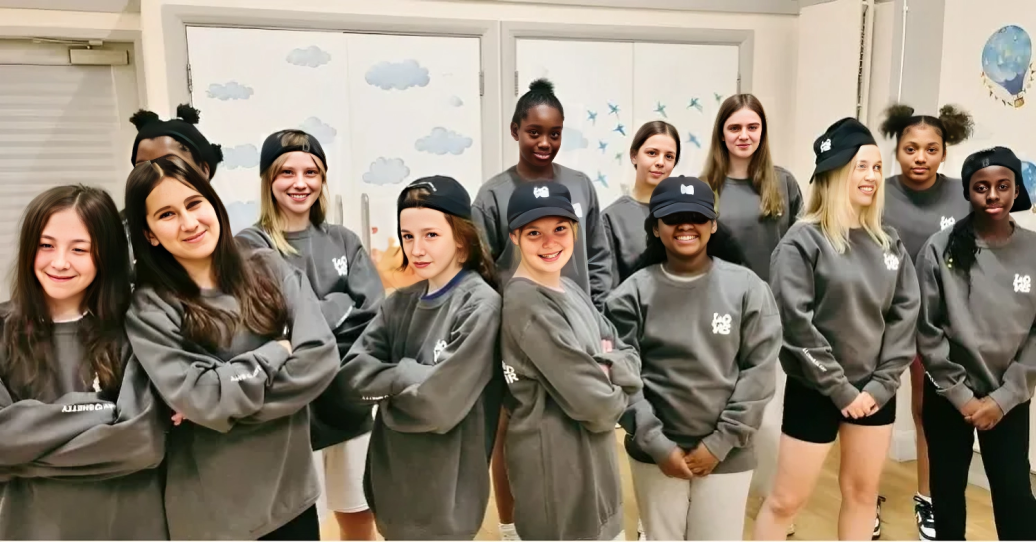
Every young person deserves the opportunity to learn, grow, and reach their full potential. Through support that honours both mind and body, we are dedicated to helping young people build the emotional well-being they need to thrive.
To learn more about our local programmes, community initiatives, or how you can get involved, explore our latest updates or reach out to the W4 Youth team today.
Sally And W4 Youth Team
Beyond the Label: Why Personality
Types Don’t Protect Against Loneliness
There is a persistent myth in our society that social isolation is reserved for the “quiet” kids, the wallflowers, or the introverts. We often assume that if someone is loud, charismatic, or the life of the party, they must be “fine”.
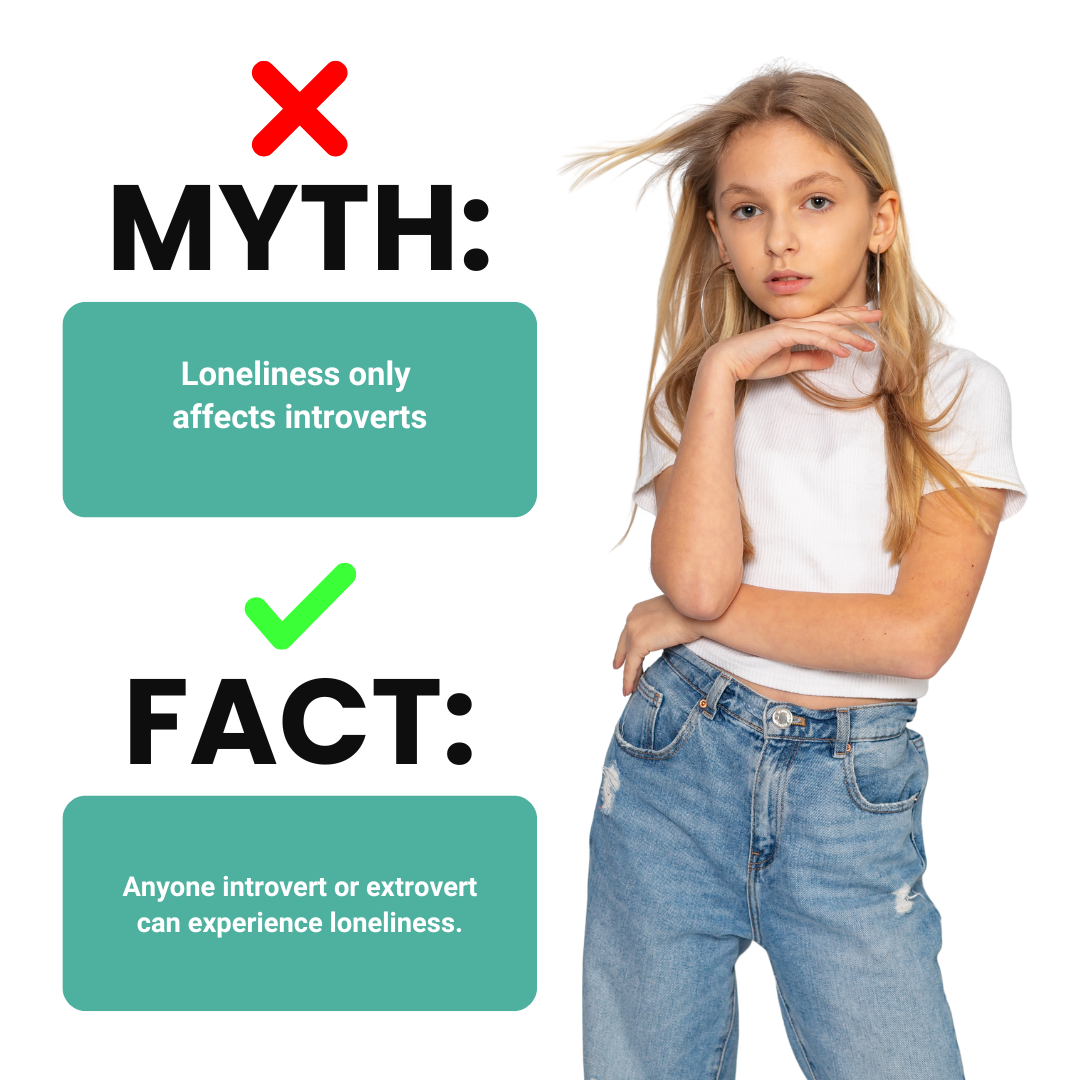
In reality, loneliness is personality-agnostic. It doesn’t care about your social battery or how many people you know. At W4 Youth, we are breaking down the labels to reveal a truth that affects us all: you can be a high-energy extrovert and still experience a profound sense of emotional disconnection.
The Extrovert’s Paradox: Being lonely in a crowd, we often mistake “being social” for “being connected”. An extrovert might have a calendar full of events and a phone buzzing with notifications yet still feel entirely alone.
This is because loneliness isn’t dictated by the quantity of your interactions but by the quality of your authentic belonging. Being the “life of the party” often requires wearing a mask. When a young person feels they have to perform to be liked, the gap between their social interactions and their true self grows wider.
This is the extrovert’s paradox being surrounded by people while feeling completely unknown.
Loneliness vs. Solitude: To understand why personality doesn’t protect us, we have to distinguish between these two concepts.

Solitude: A choice to be alone to recharge (often enjoyed by introverts). It is healthy, restorative, and peaceful
Loneliness: A painful feeling of being emotionally disconnected from others. It is a gap between the relationships you have and the relationships you need
Whether a young person thrives in solitude or thrives in a group, the fundamental human need for psychological safety remains the same.
Everyone, regardless of where they sit on the introvert-extrovert spectrum, needs to feel that their true self is “known” and valued.

Challenging the Stigma at W4 Youth: At W4 Youth, we believe that inclusive community building requires us to look past superficial labels. If we only look for loneliness in the quiet corners, we miss the young leaders and “people persons” who are struggling in silence.
Our mission is to create a space where being “truly known” is a standard for everyone. We do this by:
Looking Past Labels: We don’t assume a young person’s mental health based on their social energy
Creating Authentic Spaces: Our programmes prioritise deep, meaningful dialogue over surface-level networking
Fostering Psychological Safety: We ensure every youth, whether shy or outgoing, feels safe enough to drop the mask
It’s Time to Rewrite the Myths!
Loneliness is not a “personality trait”; it is a human experience. By dismantling the myths about who gets lonely, we make it easier for everyone to step forward and seek the support they deserve.
Let’s stop judging the book by its cover. Whether quiet or loud, every young person deserves a community where they truly belong.
Sally And W4 Youth Team
The Impact of Social Media On Youth: Behaviour And Well-Being
In a world where we are “connected” 24/7 by the glow of our smartphones, a paradoxical crisis is brewing: youth loneliness. It is one of the most misunderstood emotions of our time.
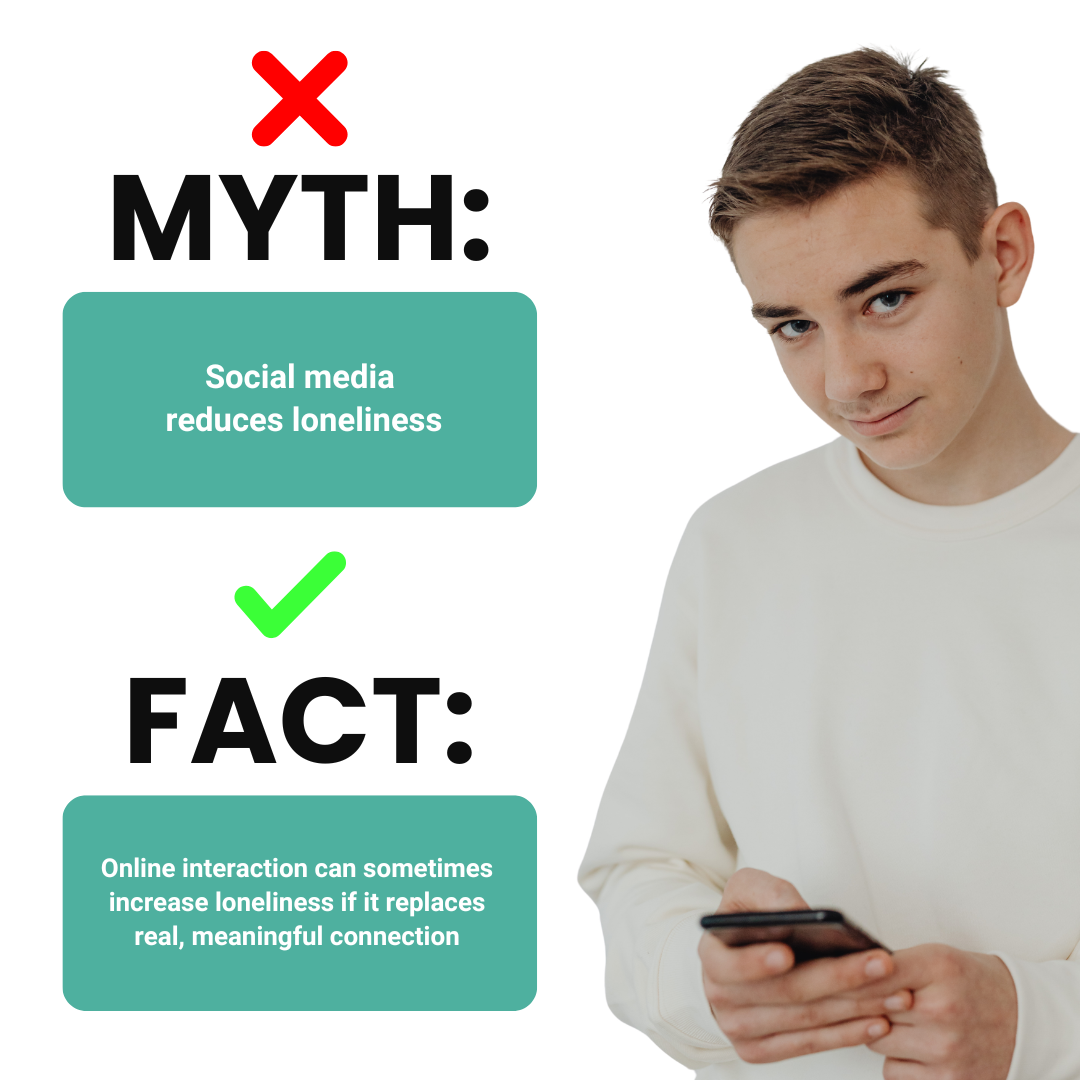
Most people assume loneliness is simply the physical state of being alone, but for a young person in the 21st century, it is something much deeper. It is the heavy, isolating feeling of being disconnected even while standing in a crowded room or scrolling through a feed of hundreds of “friends”.
At W4 Youth, we see this reality every day. We believe that understanding this struggle is the first step toward solving it.
Understanding the “Disconnected” Generation
Loneliness isn’t a character flaw; it’s a biological signal that our need for social belonging isn’t being met. For young people today, several modern factors make this signal louder than ever:

The Social Media Trap:
Platforms designed to connect us often do the opposite. Constant comparison to the “highlight reels” of others leaves many young people feeling inadequate.
Major Life Transitions: Changing schools, entering university, or starting a first job are vulnerable periods where old support networks vanish.
The Mental Health Loop: Anxiety and depression can make reaching out feel impossible, creating a cycle where isolation worsens the mental health struggle.
Why Connection Matters for Resilience
We often talk about resilience, the ability to bounce back from life’s challenges. But resilience isn’t built in a vacuum. It is grown through social connection. When a young person feels seen and heard, they develop the emotional security needed to take risks, learn from failure, and navigate the complexities of growing up.

How W4 Youth is Making a Difference
Our mission is built on the belief that every young person deserves a community where they truly belong. We address youth loneliness through three core pillars:
Early Intervention: We don’t wait for a crisis. By engaging with young people early, we help them build the social skills needed to form lasting bonds.
Safe Spaces: We provide physical and emotional environments where judgment is left at the door. These are spaces where “being yourself” is the standard.
Youth Support Services:
Our programs prioritize emotional wellbeing, offering mentorship and activities that foster genuine human interaction.

Why:
This builds trust and shows the “human” face of your support services.
Moving Forward Together
Ending the epidemic of loneliness requires more than just “getting out more.” It requires a commitment to building a society where mental health and belonging are at the forefront of youth services.
Whether you are a parent, a young person, or a community member, remember: Connection is the cure.
At W4 Youth, we are dedicated to ensuring that no young person has to navigate their journey alone. By prioritizing emotional wellbeing today, we are building a more resilient, connected generation for tomorrow.
Sally And W4 Youth Team
The Data Behind The Silence:
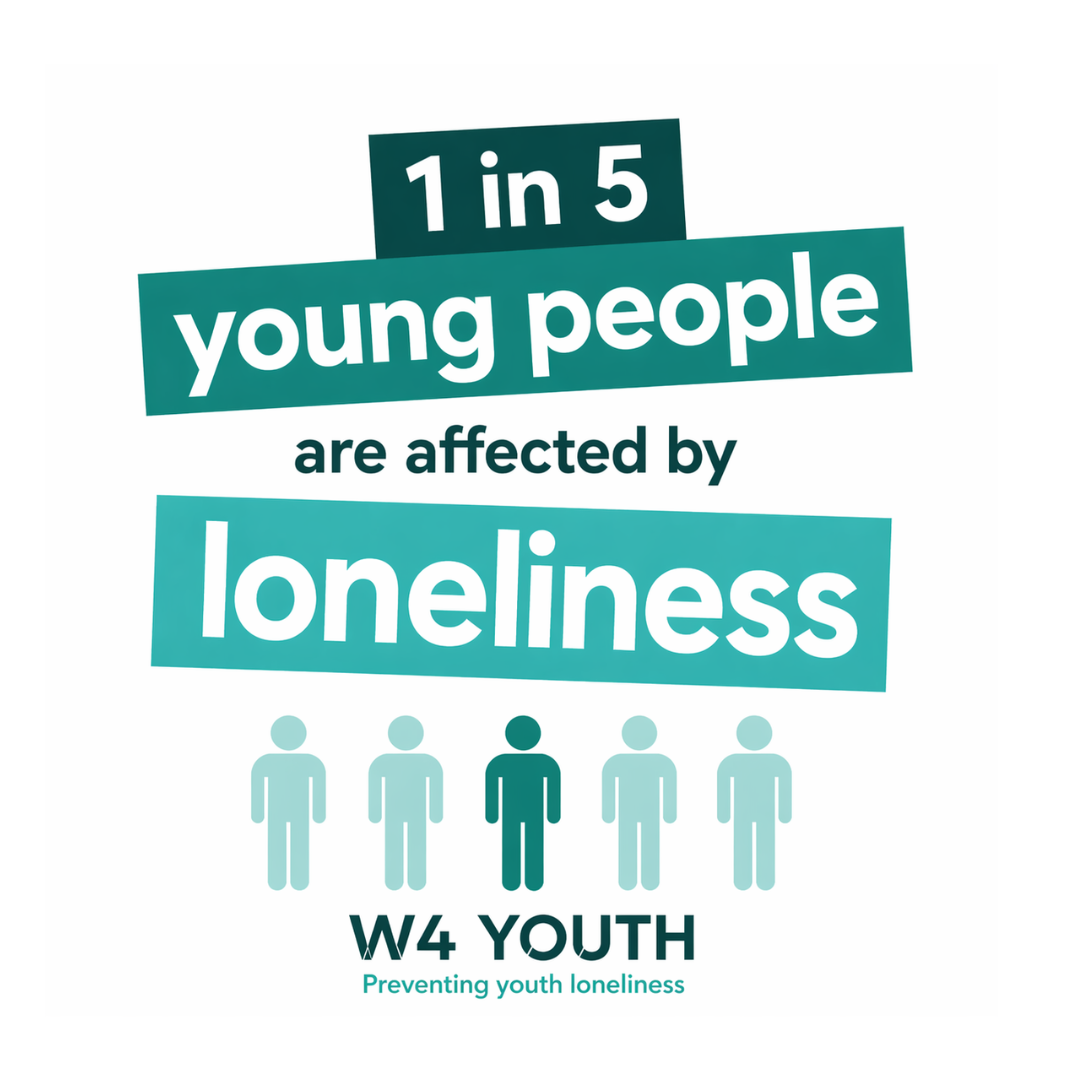
Why 1 In 5 Young People Feel Alone
When we think of loneliness, we often picture the elderly. However, recent behavioural health data has shifted that narrative, revealing a staggering and heartbreaking reality: 20% of all youth are navigating the world feeling profoundly isolated.
At W4 Youth, we believe that data isn’t just a collection of numbers; it’s a call to action. If 1 in 5 young people feel alone, we are no longer looking at a personal struggle; we are looking at a public health crisis. It is time to look beyond the surface of the “connected” teenager and understand the socio-emotional impact of this silence.
Understanding the Digital Paradox
We live in an era of hyper-connectivity. Our youth are the most “plugged in” generation in history, yet the “digital paradox” proves that “friends” on a screen do not always translate to emotional security.
Loneliness thrives in the gap between a digital audience and a physical support system. To change the story, we must first understand the three pillars of this crisis:
1. A Critical Health Risk
Chronic isolation is more than just a “bad mood” it is a physiological stressor. Research indicates that persistent loneliness in adolescents can be as detrimental to long-term health as smoking 15 cigarettes a day. It impacts brain development, immune resilience, and sleep quality. For a developing teenager, the lack of human connection is a physical threat.
2. The Quality vs. Quantity Gap
Social media has redefined “connection” to mean “numbers”. However, true social cohesion isn’t measured by follower counts or likes. Many young people today experience “crowded loneliness”, the feeling of having a massive digital audience but no safe space for true vulnerability. Without a person to talk to face-to-face, the digital crowd only makes the silence louder.
3. The Path to Prevention
At W4 Youth, we don’t just identify the problem; we provide the solution. We believe in community-based interventions.
By prioritising mentorship and physical safe spaces, we can transform these statistics. When a young person has a physical place to belong, they build the “social capital” necessary to navigate life’s challenges.
Loneliness thrives in silence, but it withers in the light of community. We can dismantle the stigma surrounding youth mental health by taking three simple steps:
Advocate: Share the data. The more people understand that 1 in 5 youths are struggling, the more we can normalise seeking help.
Engage: Join our mission! Whether through volunteering or supporting our programmes, you are helping build a more resilient community network.
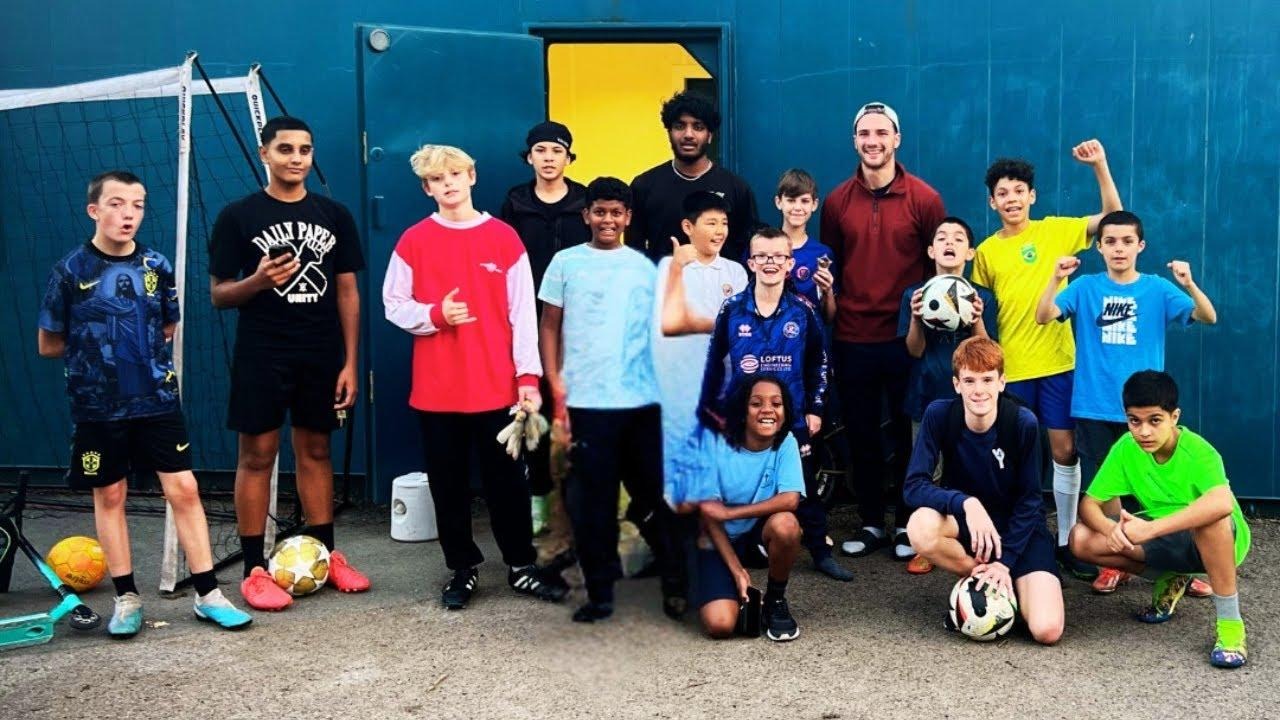
Connect: Practise active listening. Sometimes, the most powerful thing you can do for a young person is to let them know they are truly heard.
Together, we can turn the “Data of Silence” into a story of connection.
Sally And W4 Youth Team
Finding Belonging:
How We Are Changing
In the heart of our community, a quiet reality is unfolding. It isn’t always shouted from the rooftops, but it is felt in the silence of empty afternoons and the uncertainty of “what comes next”. That reality is defined by a staggering statistic: 70%.
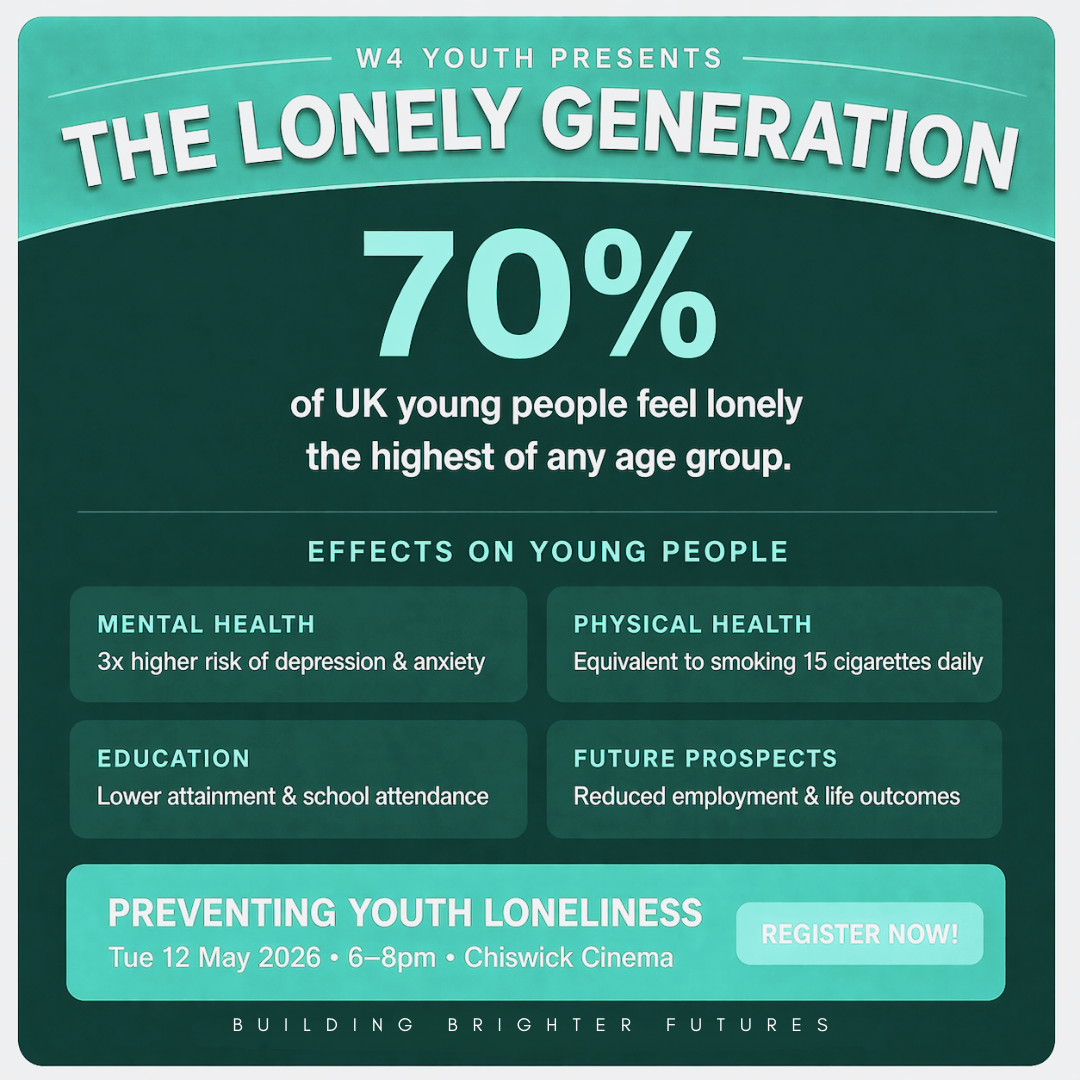
For many young people today, 70% represents the gap between their potential and the resources available to reach it. It represents the lack of accessible safe spaces, the decline in youth funding, and the rising tide of isolation. But at W4 Youth, we believe that while 70% is a challenge, it is not a destiny. Together, we are rewriting that story.
More Than Just a Number:
When we talk about youth development, it’s easy to get lost in data. However, for a teenager looking for a place to go after school, 70% isn’t a statistic; it’s a barrier. It might mean a 70% chance of feeling unsupervised, or a 70% lack of access to high-quality extracurricular activities due to rising costs.
At W4 Youth, we are dedicated to closing that gap. We provide a sanctuary where “belonging” isn’t just a buzzword; it’s the foundation of everything we do.

The Power of a Safe Space:
Every young person deserves a space where they can be themselves without judgment. A “safe space” provides more than just physical security; it offers emotional and social stability. At W4 Youth, our doors are open to help young people:
– Belong: Finding a tribe of peers and mentors who see their worth
– Grow: Stepping out of their comfort zones to try something new
– Thrive: Taking the skills they learn with us and applying them to school, work and life

Building Brighter Futures Through Free Programmes:
Financial barriers should never stand in the way of a child’s talent. That is why we offer a variety of free sports and creative programmes. Whether it’s the discipline found on a football pitch or the self-expression discovered in a dance workshop, these activities are the vehicles for real change.
1. Confidence through Sports
Physical activity is about more than just fitness. It teaches teamwork, resilience, and the ability to bounce back from a loss. By offering these sessions for free, we ensure that every young person, regardless of their background, can build the confidence that comes from mastering a new skill.
2. Innovation through Creativity
Musical theatre and street dance allow youth to process their world in a constructive way. These programmes aren’t just hobbies; they are pathways to competitive involvement and vital outlets for mental well-being.
3. Real Support for Real Challenges
Beyond the fun and games, W4 Youth provides “real support.” This means having trusted adults to talk to, guidance for the future and a community that acts as a safety net. We aren’t just providing activities; we are building a family.

How You Can Help Change the Story
The “quiet reality” of the 70% doesn’t have to stay that way. Every time a young person joins a session, makes a new friend, or discovers a hidden talent, that percentage of uncertainty shrinks.
We are seeing brighter futures built every single day. We see the shy young person become a coach or a team leader. We see the frustrated students find peace in a project. These aren’t just small wins; they are the building blocks of a stronger, more vibrant community.
Join us at W4 Youth. Whether you are a parent, a volunteer, or a supporter, you are a vital part of this mission. Let’s move beyond the numbers and focus on the faces, the dreams, and the incredible potential of our youth.
Sally And W4 Youth Team
What Youth Sports Teach
Young People About Failure?
Many people believe that failure is something to be avoided. Failure, however, turns into one of the most effective teaching tools for personal development in youth sports. Young athletes have the chance to build resilience, emotional control, and perseverance with each missed goal, lost game, or challenging training session.
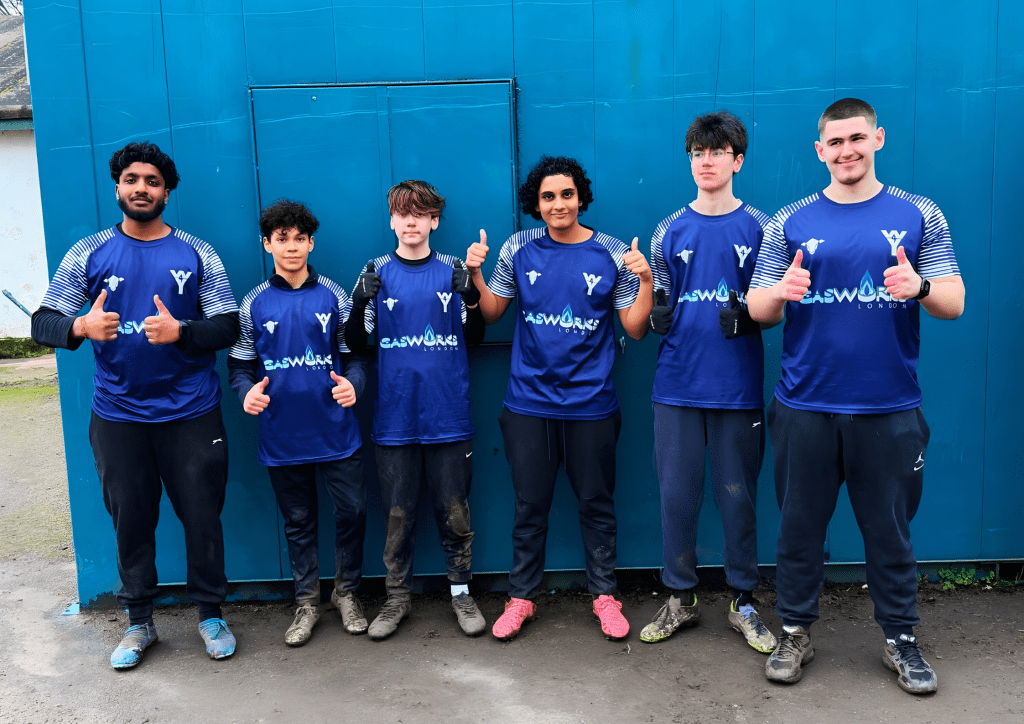
According to UK research, young people who play sports have better resilience and emotional control scores than their peers who don’t participate in sports. Beyond competition, the lessons learned on the pitch influence how young people handle obstacles in their daily lives, careers, and academic pursuits.
The real result of youth sports is growth, not failure.
How Youth Sports Turn Failure Into Growth:
Setbacks are inevitable in sports. Athletes make mistakes, teams lose games, and training can be mentally and physically taxing. However, these encounters teach youth that failure is a necessary part of the process of improving.
When young athletes face challenges, they learn to:
– Reflect on mistakes
– Adjust their strategies
– Work harder to improve
– Develop persistence
Over time, these experiences help them understand that growth is the real goal, not perfection.

Building Resilience Through Sport:
Resilience is the ability to recover from setbacks and continue moving forward. Youth sports provide the perfect environment for building this skill.
When young people compete in sports, they regularly face situations that test their mental strength:
– Losing a match after giving their best effort
– Missing a critical play
– Facing stronger opponents
– Training through difficult conditions
These encounters eventually teach them that development, not perfection, is the true objective. Sports related resilience frequently transfers to other facets of life, such as relationships with others, career advancement, and academic difficulties.
Developing Emotional Control:
Emotional control is another important lesson from youth sports.
Intense emotions such as excitement, disappointment, frustration, and pride are inevitably brought on by competition. Young athletes learn healthy coping mechanisms for these emotions through coaching, teamwork, and experience.
Sports help young people:
– Stay calm under pressure
– Handle disappointment after losses
– Celebrate success respectfully
– Support teammates during difficult moments
These emotional skills are directly linked to better mental wellbeing and long-term success.

Learning To Handle Setbacks
In sports, setbacks are unavoidable, but they also present priceless teaching moments. Athletes learn that setbacks are manageable and transient when they face obstacles. They concentrate on getting better rather than defining themselves by their mistakes.
This mindset teaches young people that:
– Mistakes are part of learning
– Progress takes time and effort
– Persistence leads to improvement
These lessons foster the development of problem-solving abilities and self-assurance, both of which are critical throughout life.
Confidence And Self-Assurance Beyond The Field
Youth sports also build self-assurance. As young athletes practice, improve and overcome challenges, they gain confidence in their abilities.
This confidence often transfers into the following:
– Classroom participation
– Leadership roles
– Career ambitions
– Social interactions
Young people who learn to trust their abilities through sport are more likely to approach life’s challenges with courage and determination.

Why Youth Sports Matter For Long-Term Success
The benefits of sports extend far beyond physical fitness. Participation in sports helps young people develop critical life skills such as the following:
– Resilience
– Emotional intelligence
– Perseverance
– Confidence
– Teamwork
These positive traits lead to improved mental health, enhanced relationships and an increased chance of achieving long-term success personally and professionally Participating in youth sports teaches an important lesson, the ultimate goal is not winning but rather growing through the process.
Experience with failure plays an important part in developing a young athlete’s abilities; there should never be a fear of failure in sports, as every obstacle, every defeat and every missed opportunity builds resilience in the athlete.
Participation in sports is not only about winning; it also involves the process of recovering from adversity, growing as an individual, and creating a healthier future for all.
Sally And W4 Youth Team
Can Playing Sport Improve
Academic Performance?
An important question that many parents, educators, and youth organisations frequently pose is whether participating in sports can enhance academic achievement. An increasing amount of research indicates that the answer is yes.
Regular sports participation improves focus, memory, brain function, and general cognitive ability in addition to strengthening physical health, all of which support improved academic results.
According to research funded by Youth Sport Trust, students who play sports on a regular basis are more likely to do well academically and focus better in class. Youth sports programmes are crucial for the development of both the body and the mind because of this link between sports and education.

The Link Between Sports And Academic Success:
Learning is directly supported by the ways that physical activity stimulates the brain. Young athletes’ bodies improve neural function and mental clarity by increasing blood flow and oxygen to the brain.
Key cognitive benefits of sports include:
– Increased focus and concentration in the classroom
– Improved recall of information
– Improved ability to solve problems and make decisions
– Improved self-control and time management
– Increased mental toughness
– These advantages make it easier for students to retain information and participate in class
How Physical Activity Improves Brain Function
Exercise increases the brain’s release of chemicals like dopamine, serotonin, and endorphins, which enhance motivation and mood, according to scientific research. Young people are more likely to do better academically when they feel motivated and self-assured.
The hippocampus, the part of the brain in charge of memory and learning, is also stimulated by sports. Because of this, students who engage in regular physical activity frequently encounter:
– Quicker mental processing
– Longer attention span
– Increased involvement in the classroom
For this reason, a lot of education experts advise schools to incorporate sports and physical education into their daily schedules.

Sports Build Life Skills That Support Education:
Beyond cognitive benefits, sports also help young people develop valuable life skills that translate directly into academic success.
These include:
– Teamwork and collaboration
– Goal setting and perseverance
– Self-confidence and leadership
– Time management
– Handling pressure and challenges
Students who learn these skills through sports often become more motivated and confident in their academic journeys
Youth Sports As A Platform For Growth
At W4 Youth, sports are more than just physical activities; they are powerful tools for youth development. Every training session and sports activity creates opportunities for young people to:
– Grow personally and socially
– Build positive relationships
– Develop confidence and self-belief
– Stay motivated to achieve their goals
Through youth sports programmes, community work and positive opportunities, young people are encouraged to stay active, connected, and inspired about their future.
Sports environments also foster a sense of belonging, which is crucial for emotional well-being and academic engagement.
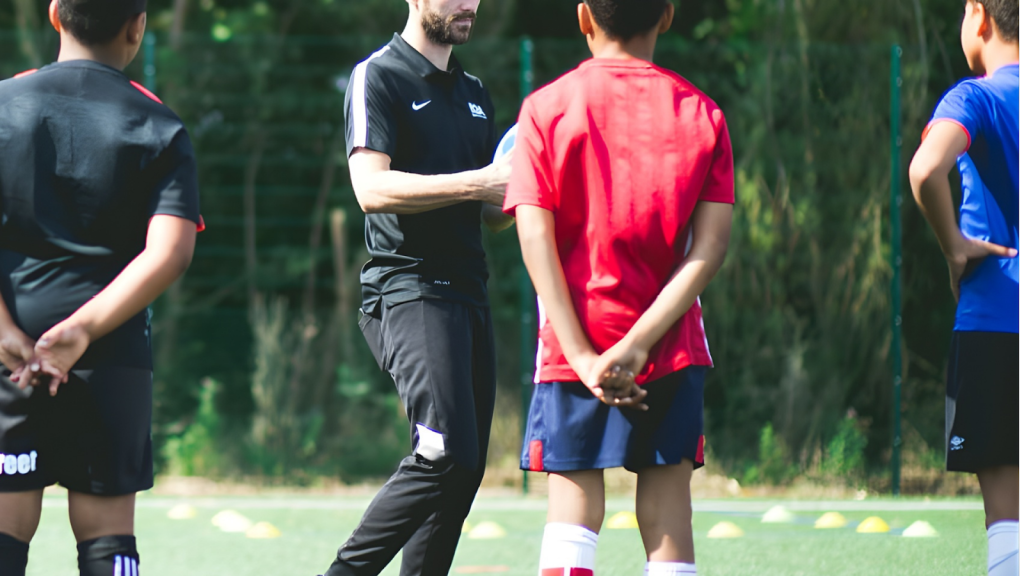
Why Youth Sports Programmes Matter
Community youth organisations play a vital role in providing access to structured sports activities. When young people have opportunities to participate in sports, they are more likely to:
– Stay physically active
– Avoid negative influences
– Develop leadership skills
– Maintain a positive outlook on education
By investing in youth sports development, communities are helping shape confident, resilient, and academically successful young people. The evidence is clear: playing sports can significantly improve academic performance.
Through better brain function, improved focus, and the development of critical life skills, sports help young people succeed both on the field and in the classroom.
For youth organisations like W4 Youth, every sports session represents an opportunity to empower young people to believe in themselves, stay motivated, and pursue their goals in life. When sports and education work together, they create a powerful pathway for young people to thrive.
Sally And W4 Youth Team
How UK Schools Are
Responding To Mobile Phones?
Putting Young People’s Well-Being First, Always!
In an age where smartphones are rarely out of reach, many secondary schools across England have taken a bold and necessary step: banning or heavily restricting mobile phones during the school day.
Recent figures suggest that around 90% of secondary schools in England now have policies in place to limit or completely prohibit phone use on school grounds, a shift that is already showing encouraging results for student wellbeing, classroom behaviour, and academic performance.

Phone-free school environments are helping to create calmer, more focused classrooms. Without the constant buzz of notifications, social media pressures and the temptation to check messages.
Students are able to concentrate more fully on their lessons. Early evidence from schools shows improved attention in class, fewer disruptions, and a more positive learning atmosphere overall, key indicators linked to better learning outcomes and improved concentration in schools.
But the benefits extend far beyond academics. Removing phones from the school day has also supported better mental health among young people. Issues such as online comparison, cyberbullying, and digital overwhelm are widely recognised contributors to rising anxiety levels in teenagers.
Implementing mobile phone bans in schools provides a structured digital break, supporting youth mental health, emotional wellbeing, and stress reduction.

Perhaps one of the most encouraging changes is the return of face-to-face socialising. Schools are reporting stronger in-person social skills, with students spending break and lunchtime talking, laughing, and building friendships rather than scrolling.
These everyday interactions are essential for developing communication skills, empathy, and confidence, all crucial elements of positive youth development and social wellbeing in education settings. When phones are not a distraction, young people thrive, in their learning, their relationships, and their emotional well-being.
Phone-free schools help foster safe, supportive environments where students can build resilience, strengthen real-world connections, and stay focused on their future goals.
Putting young people’s well-being first isn’t just a policy decision, it’s an investment in a healthier, more balanced generation and a stronger future for UK youth support and education. At W4 Youth, creating a focused and positive environment is our priority.
The most important expectation is that young people place their phones in the ‘phone box’ during sessions so they are not distracted and can fully take part in activities.
Sally And W4 Youth Team
Can Youth Communities Shape
Our Understanding of Diversity?
The act of connecting with one another has changed the fabric of London by creating a transformative, powerful energy that many young people now view as a significant transition point away from traditional forms of interaction.

Youth clubs serve as the new ‘smarter’ way for young people to meet and build upon their interests in Sports and other areas where they share common interests (traditional ways). In addition, youth clubs encourage an environment in which young people feel valued and respected for who they are as individuals, and this is what is helping to reshape the way our society perceives diversity.
Participating in these youth organisations has given this particular demographic of youth a large amount of support.
Strong sense of belonging:
For over 78% of the youth of London who belong to a Black, Asian and ethnic minority background, these organisations provide a sense of belonging to them.
Celebrating Differences:
A huge part of what has built this sense of belonging is the opportunity to experience different cultures through shared experiences, laughter and conversations that celebrate, not ignore, each other’s cultural differences.
Empowering Voices:
By providing Youth4Youth (W4Y) with an opportunity for their voice to be heard, young people develop their own leadership capabilities and are able to contribute positively to their communities.
Connected Communities:
When the youth feel as if they belong to a place, they will do everything in their power to create strong, connected communities for all.
Youth clubs in London provide safe spaces where young people can express themselves freely while promoting acceptance, inclusion, and support for diversity.
Sally And W4 Youth Team
Can Youth Work Stop Violence
and Empower Young People?
Many teens feel unsafe and it is devastating!
In the UK, youth violence and gang activity continue to have a serious impact on the regular lives of thousands of young people. Research shows that one out of five teenagers has been a victim of physical violence, while one out of three is afraid of being victimised in certain areas because of gangs and street crime.
When fear becomes part of daily life, confidence, opportunities, and the greatest quality of life are all negatively affected. That is where youth work can create an enormous positive change in a young person’s life.

The connection between young people’s violence and their sense of safety:
Being violent affects not only someone’s physical safety but also affects their mental health, education, relationships, and future goals. A young person who feels fearful every day is less likely to participate in school, have faith in adults, or look positively towards their future.
Preventing youth violence is about more than just enforcement; it also requires early intervention, trust, and safe spaces. These are the essential components of effective youth work.
How youth work is Important for preventing violence:
Through youth clubs and youth workers, 60% of youth that are impacted by violence are served by these services. The service provides the following for youth. It allows for:
– An accessible safe welcome space
– A trusted adult to whom youth can talk to without concern for judgment
– Consistent positive non-judgmental support
– Positive non-judgmental role modeling
– Guidance to enable youth to make good informed and positive life choices
Within youth work, youth are provided equitable opportunities to express themselves freely without fear of judgment while receiving support to build self-efficacy, strengthen emotional regulation and conflict resolution skills, and develop strong social support systems.
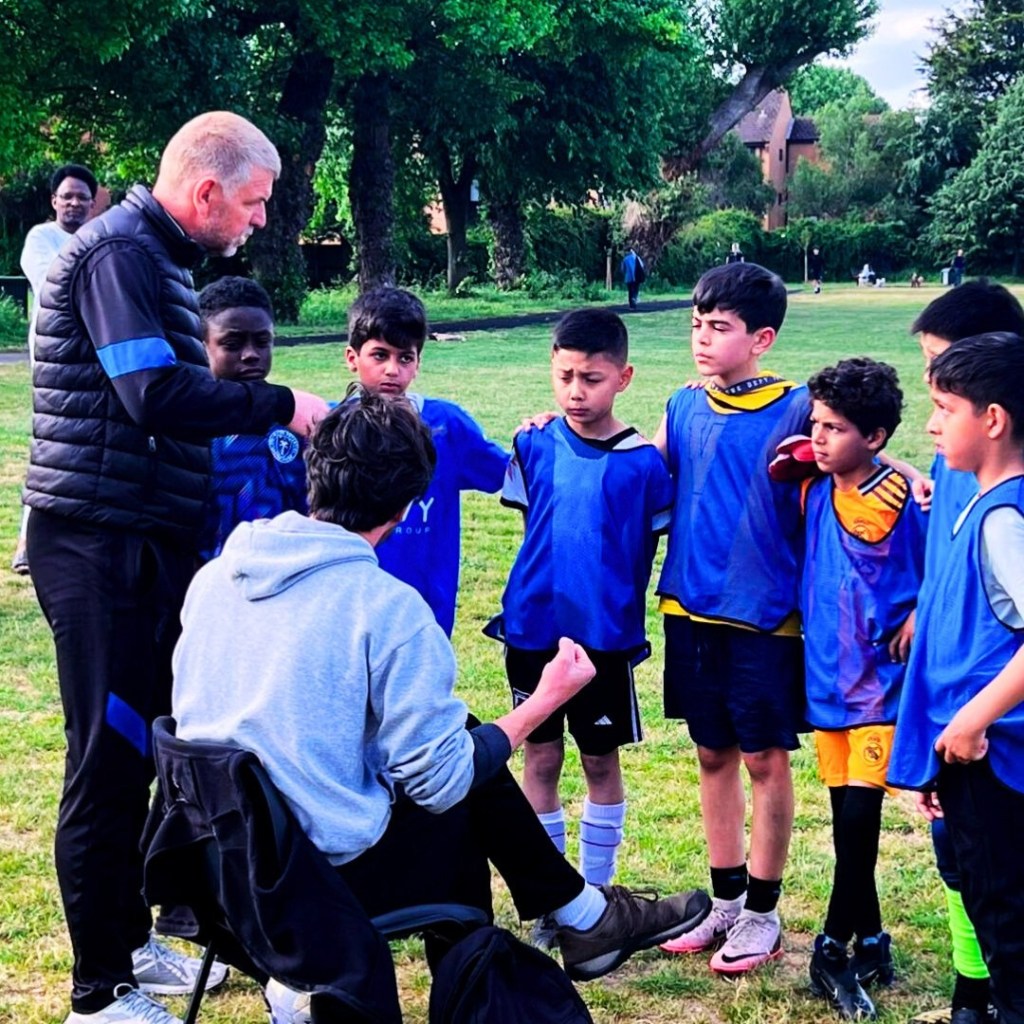
How positive youth development and youth empowerment benefit communities:
Youth work helps not only the immediate benefits for the individual but also creates positive ripple effects for families and community members.
Positive youth work is directly linked with:
– Reducing youth crime and anti-social behaviours
– Improving mental and emotional health
– Increasing participation rates in education and training programs
– Forming healthier relationships and stronger communities
When young people are safe, supported and have positive belief in themselves, they are more likely to attain their goals and fulfill their potential.
Enhancing Youth Development: Prevention, Safety, and Opportunity:
Youth workers do much more than simply provide programs or services to young people. They provide an environment that promotes safe and healthy lifestyles as well as opportunities for growth.
Youth workers are helping to build positive communities by reducing the level of risk associated with being a young person, by helping to develop positive coping skills, and by creating opportunities for success.
Youth workers can help create a better world through their efforts!
Sally And W4 Youth Team
How Does Being Active
Help Young People Thrive?
Sports are not just about scores and body conditioning but also a great way to train your mind and spirit as well. Every day young people around the world, including in London, realise the lessons that they learn while playing sports will help them deal with the challenges of everyday living.

The importance of knowing how to “bounce back” when playing sports, players face obstacles, setbacks and disappointments, e.g., losing a game or missing a goal. throughout their athletic career, young athletes are constantly given the opportunity to work through obstacles facing them directly. by being instrumental in helping young athletes learn the three steps necessary to “bounce back” from adversity, athletes will have a more positive outlook on their future as well as develop their resilience.
The following are the three steps to help young athletes bounce back from adversity:
1. Facing adversity
2. Receiving feedback on what went wrong
3. Learning through exercise and becoming more determined to succeed
The skills that young athletes acquire through “Bouncing Back” will serve them well beyond sports and throughout their lifetime, as they encounter and overcome adversity.
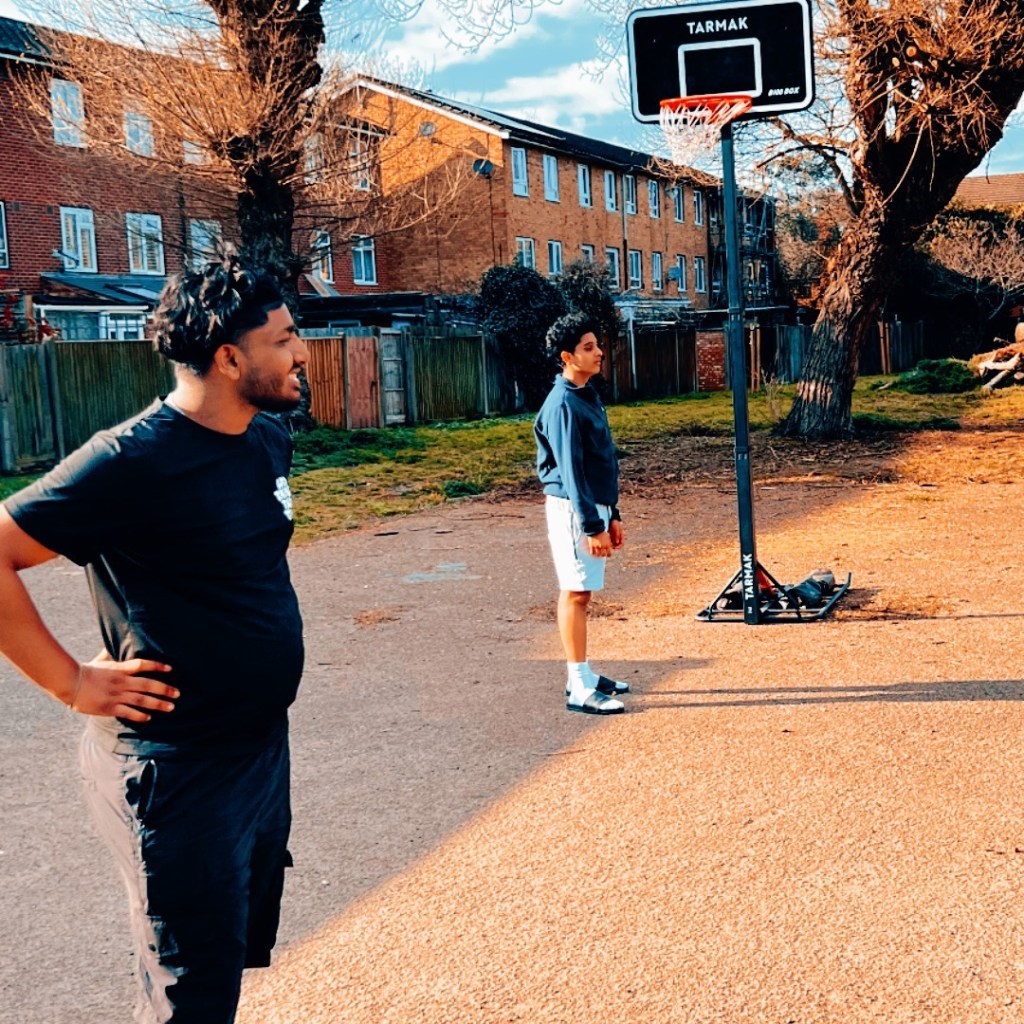
The Power of Sport to Increase Self-Esteem; therefore, kids who participate in sports have increased self-esteem over Non-Participants; this increase in self-esteem carries over into all areas of the kids’ lives, including schoolwork. Athletes have been shown to be able to deal better with pressures associated with being an athlete and to deal better with adversity as it relates to their sport; the increase in confidence from participating in sport has been shown to carry over to their life’s challenges, including schoolwork and Social Challenges.
Overall, just being able to participate in a sport has a tremendous effect on kids turning into resilient leaders prepared for anything life throws their way!
Sally And W4 Youth Team
How Does Being Active
Help Young People Thrive?
London is currently dealing with some serious health issues related to increasing child obesity rates. Although physical activity was once thought to be limited to exercise, it now encompasses all movement and activity that contributes to the foundation of a child’s well-being energy, resilience and happiness.

More studies indicate that children who engage in at least an hour of physical activity daily receive significant benefits in every area of their life. Unfortunately, in London currently, only 47% of children and young people meet these guidelines. communities.
The purpose of the 60-Minute Goal is more than just exercising to manage stress; it is a comprehensive solution used by youth to be successful in three main areas of development:
Physical: Building healthy muscles, bones and heart
Mental: Improving concentration & attention in school, decreasing stress and improving mood
Social: Teaching teamwork and communication; helping you create new friendships with confidence

Creating Resilience With Movement:
Encouraging youth to engage in daily movement is building strength (bodily, mentally, and spiritually) for each young person. Many forms of movement will create resilience in youth by teaching them how to overcome obstacles, try again after failure and experience joy through their own progress.
Every young person has the right to play! By providing the opportunities for youth above 47% (our goal) to move their body, we are contributing to a healthier and happier future for the future generation of Londoners.
Sally And W4 Youth Team
How Does Volunteering
Help Youth Succeed?
The impact of volunteering on young people’s success cannot be understated. Research demonstrates that young adults who volunteer will obtain higher levels of academic achievement and greater prospects for future career advancement than those who do not volunteer.
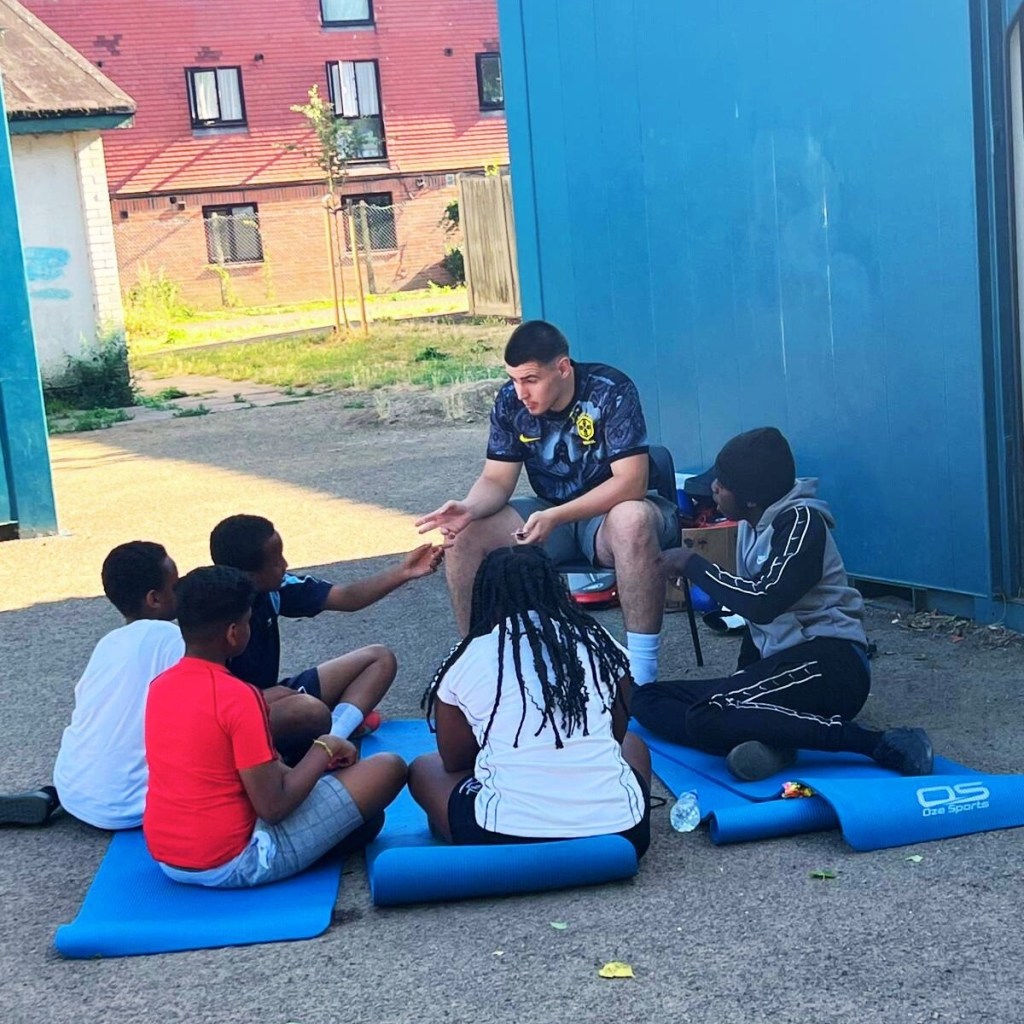
Volunteering provides an opportunity for youth to give back to others in their community while gaining valuable experience to enhance their academic and career trajectories. Through volunteering, youth will gain vital life skills, including confidence, responsibility and purpose, which are all essential in both academia and future careers.
Young people who volunteer for organisations have a much greater chance of becoming leaders themselves than non-volunteers; in fact, almost half (47%) of students who volunteer acquire leadership skills and stand out academically, professionally, and throughout their entire lives.
Volunteering teaches young people many important lessons. Volunteering fosters confidence and provides an avenue for young people to realise the positive effects of their work. As leadership skills develop from practical experience, using these abilities will be instinctive for them.
The Role Of Youth Workers:
Youth workers walk alongside young people rather than giving them instructions. Alongside them, not in front of or behind them.
Youth workers assist young people in overcoming obstacles pertaining to mental health, identity, relationships, education, and life transitions through genuine connections. Youth workers offer support, encouragement, and consistency to young people who are going through difficult times, finding their strengths, or learning how to speak up for themselves.
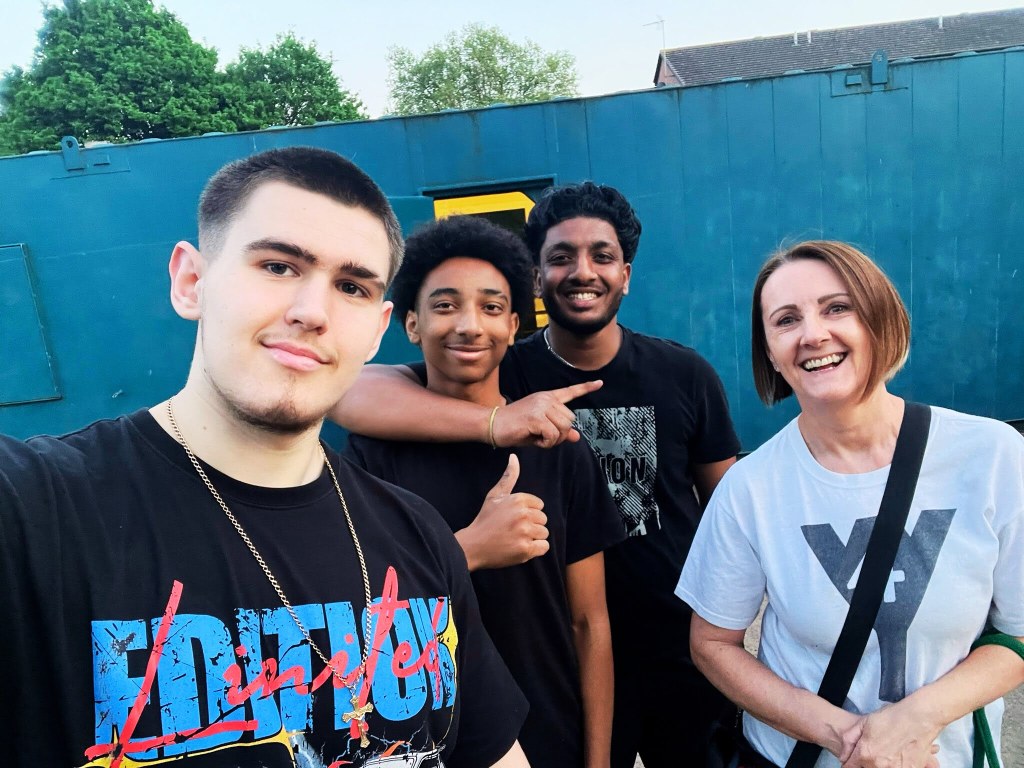
The Significance Of Youth Work:
In order to empower youth and build stronger communities, youth work is essential. By concentrating on:
– Self-assurance and empowerment
– Mental and emotional health
– Social and personal growth
– Resilience and life skills
– Good connections and a sense of belonging
Youth work supports young people in overcoming obstacles as well as coping with them.
Youth Employment And Individual Growth:
Youth work helps young people find their purpose, grow, and heal. It values the full person, including identity, voice, emotional health, and creativity in addition to academic achievement.
By funding youth work, we support young people’s potential for the future as well as their current selves.
Why Volunteering Is Important:
Volunteering provides a dual advantage for society and individuals. Volunteering is an excellent method of strengthening communities while developing an individual into a self-assured and prepared leader, who will be able to influence their future.
When young people are engaged in a volunteer role, they are able to contribute to the welfare of others while developing their own ability to achieve.
Sally And W4 Youth Team
What Is Youth Work?
There is a strong environment where young people are seen, heard, and genuinely valued outside of the classroom. Youth work is done in that area. Youth work meets young people where they are in life and helps them learn, develop, and realise their full potential outside of formal education.

What Is Youth Work?
Youth work is a relationship-based approach that emphasises young people’s social, emotional, and personal growth. Youth work is voluntary, meaning that young people choose to participate, in contrast to formal education. This decision, which is based on genuine connection, respect, and trust, is what makes youth work so powerful.
Fundamentally, youth work fosters inclusive, safe spaces where young people can explore their identities, gain self-assurance, and develop life skills that will help them succeed in the future.
The Role of Youth Workers
Youth workers walk alongside young people rather than giving them instructions. Alongside them, not in front of or behind them.
Youth workers assist young people in overcoming obstacles pertaining to mental health, identity, relationships, education, and life transitions through genuine connections. Youth workers offer support, encouragement, and consistency to young people who are going through difficult times, finding their strengths, or learning how to speak up for themselves.
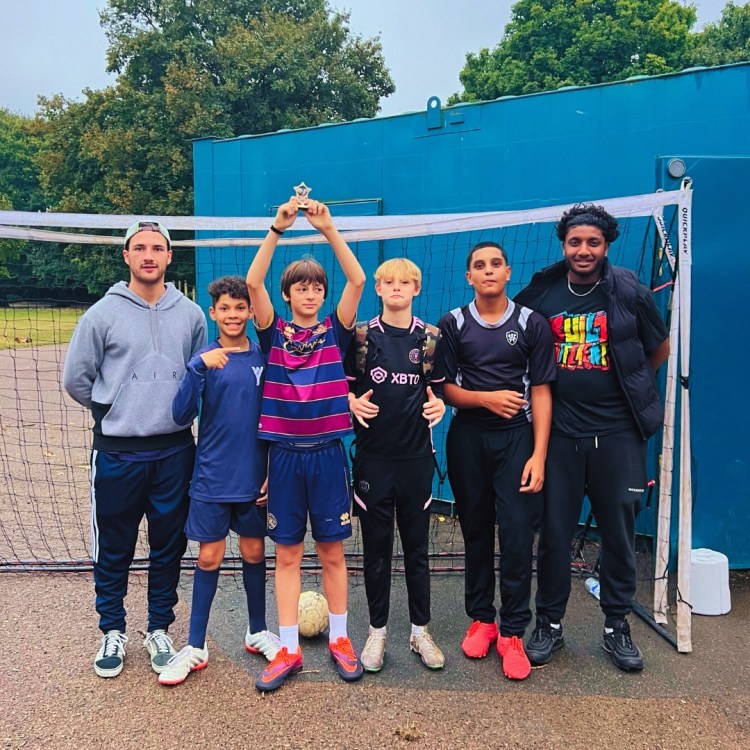
The Significance of Youth Work
In order to empower youth and build stronger communities, youth work is essential. By concentrating on:
– Self-assurance and empowerment
– Mental and emotional health
– Social and personal growth
– Resilience and life skills
– Good connections and a sense of belonging
Youth work supports young people in overcoming obstacles as well as coping with them.
Youth Employment and Individual Growth:
Youth work helps young people find their purpose, grow, and heal. It values the full person, including identity, voice, emotional health, and creativity in addition to academic achievement.
By funding youth work, we support young people’s potential for the future as well as their current selves.
Sally And W4 Youth Team
The Role of Sports In Youth Development
In today’s fast-paced world, the role of sports in youth development cannot be overstated. Engaging in activities like football and basketball offers young people more than just a way to stay active; it provides essential life skills that shape their futures. These sports foster teamwork, teaching kids how to collaborate and communicate effectively with others.
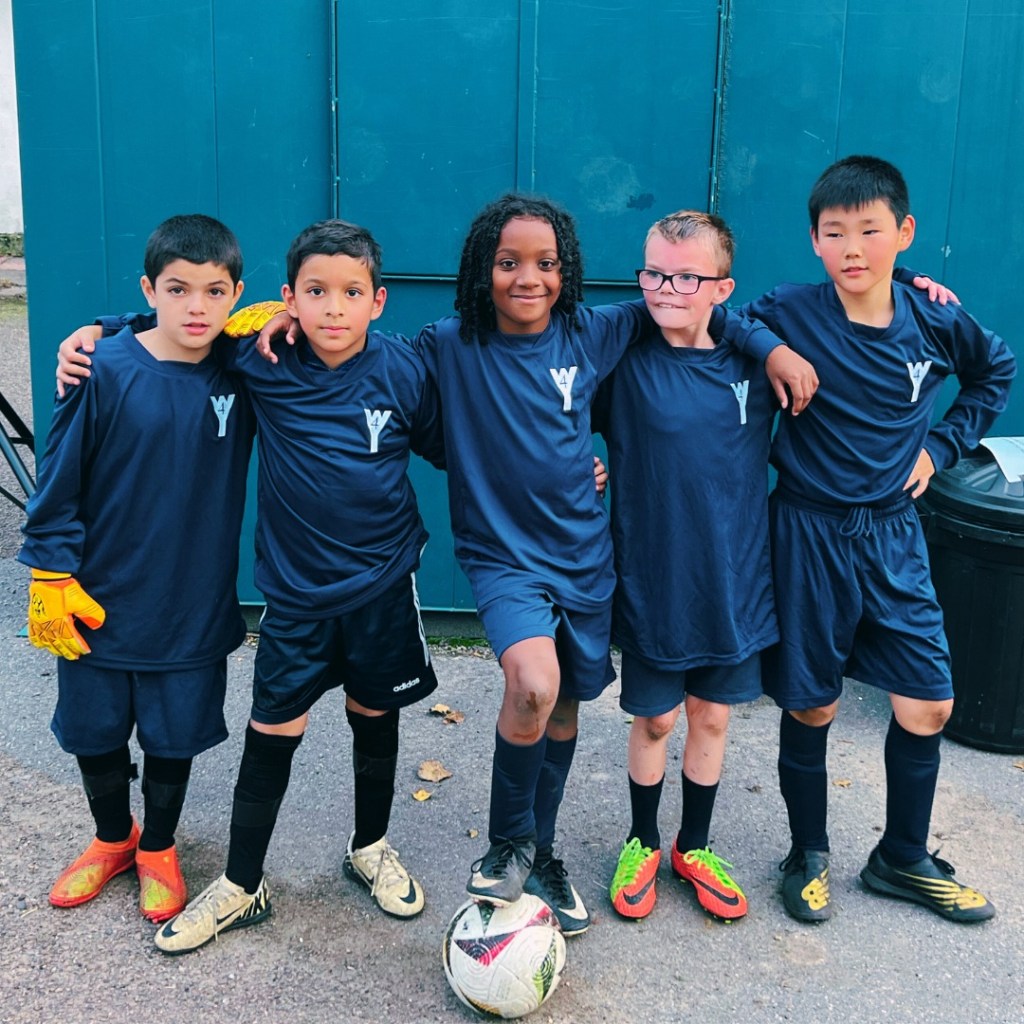
Additionally, they instill discipline, as young athletes learn the importance of practice, commitment, and perseverance. Beyond the mental and social benefits, participating in sports significantly enhances physical health, promoting a lifestyle that values fitness and well-being. As we explore the profound impact of sports on youth development, it becomes clear that these activities are not just games; they are vital tools for nurturing well-rounded individuals ready to face life’s challenges.
The Importance of Teamwork:
Team sports like football and basketball are excellent platforms for promoting teamwork among young participants. These activities require collaboration, as players must communicate and strategise to achieve a common goal: winning the game. This shared experience fosters a sense of belonging and teaches kids the value of working together. The benefits of teamwork extend beyond the field; young athletes learn to trust one another, resolve conflicts, and celebrate collective achievements.
For instance, successful teams exemplify how collaboration can lead to remarkable accomplishments. Their achievements inspire youth, showing that when individuals unite their strengths, they can overcome challenges and reach new heights. Ultimately, these experiences shape character and prepare young people for future teamwork in various aspects of life.
Fostering Discipline:
Sports play a crucial role in instilling discipline in youth, as they require a significant commitment to practice and improvement. Young athletes learn that consistent effort is essential for honing their skills and achieving their goals. This dedication fosters a strong work ethic that often translates into other areas of life, such as academics and personal relationships.
For example, renowned footballers like Marcus Rashford and Bukayo Saka exemplify discipline through their rigorous training and unwavering focus on their sport. Their stories inspire young people to adopt similar habits, demonstrating that discipline is key to success. By embracing the challenges of sports, youth not only develop athletic prowess but also cultivate resilience and determination, equipping them with valuable life skills that will serve them well beyond the playing field.
Promoting Physical Health:
Participation in sports like football and basketball significantly enhances physical health among youth. Engaging in these activities improves cardiovascular fitness, builds muscle strength, and enhances flexibility, all of which contribute to overall well-being. Regular exercise is crucial for youth development, as it helps combat obesity and reduces the risk of chronic diseases.
Children and adolescents who engage in regular physical activity are more likely to maintain a healthy weight and experience improved mental health. Additionally, studies show that youth involved in sports have higher levels of self-esteem and lower rates of anxiety and depression. By promoting an active lifestyle through sports, we not only foster healthier habits but also empower young individuals to thrive physically and mentally throughout their lives.
Building Social Skills:
Sports play a vital role in developing social skills among young people by providing opportunities for interaction and collaboration with teammates. Engaging in team activities fosters essential communication skills, as players must convey strategies, offer encouragement, and resolve conflicts on the field. Additionally, sports serve as a platform for building friendships and networks, creating bonds that often extend beyond the game. For instance, many young athletes report that their closest friendships were formed during practices and competitions.
In summary, the role of sports in youth development is profound, emphasising the importance of teamwork, discipline, and physical health. Through engaging in team sports like football and basketball, young people learn to collaborate effectively, develop a strong work ethic, and enhance their overall well-being. These experiences not only contribute to their athletic abilities but also foster personal growth and social connections. We encourage our community to participate in sports as a means of personal development, embracing the valuable life skills that come with it.
Sally And W4 Youth Team
The Role of Arts in Youth Development
(including Street Dance)
The vibrant world of street dance and musical theatre, two dynamic art forms that play a crucial role in youth culture. Our programme provides a platform for self-expression but also fosters a sense of community among young people.
Street dance, with its roots in urban culture, encourages individuality and improvisation, while musical theatre combines storytelling with movement, allowing youth to explore diverse narratives and emotions. Together, they empower young people to break boundaries and showcase their talents.
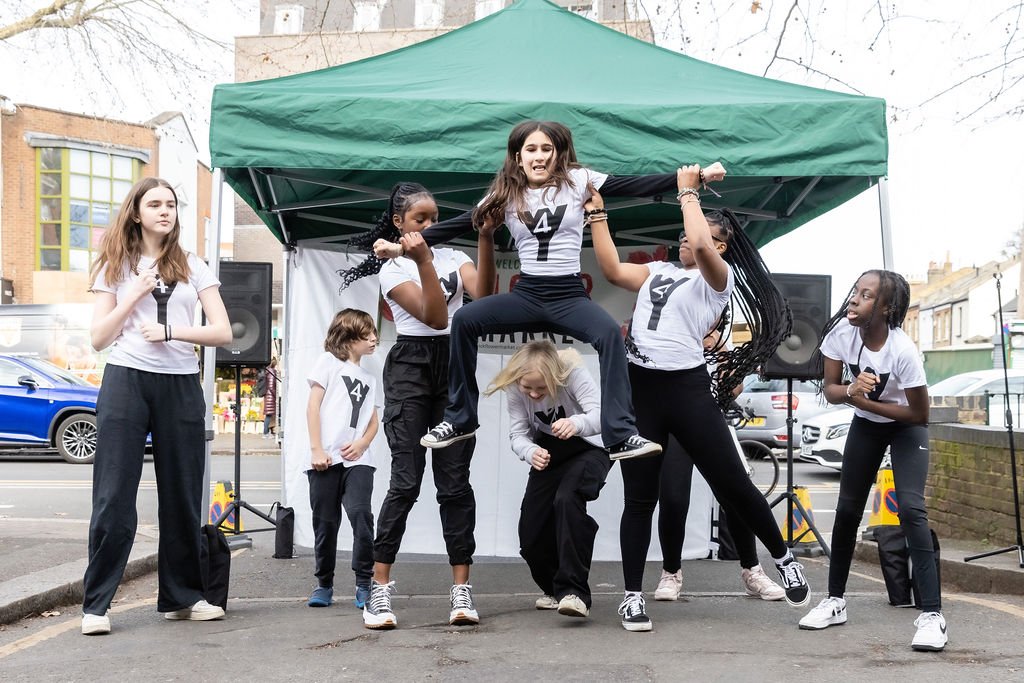
Understanding Street Dance:
Street dance has its roots in the vibrant urban landscapes of the late 20th century, evolving from various cultural influences. Styles like breakdancing, locking, and popping each bring unique movements and histories, showcasing the creativity and individuality of dancers. Breakdancing, known for its acrobatic flair, emerged in the Bronx, while locking and popping originated from the funk music scene in California.
Beyond just a dance form, street dance serves as a powerful tool for community building and self-expression, allowing youth to connect and share their stories. Notable street dance crews, such as the Jabbawockeez and Quest Crew, have gained international recognition, inspiring countless young dancers to participate in competitions.
The Essence of Musical Theatre:
Musical theatre is a captivating art form that combines acting, singing, and dancing to tell compelling stories. This unique blend creates an immersive experience that resonates deeply with young audiences. At its core, musical theatre emphasises storytelling and character development, allowing youth to connect with diverse narratives and explore complex emotions.
Engaging young performers through relatable themes and dynamic characters, musicals provide a platform for self-discovery and creativity. Popular youth-friendly productions like “Annie,” “The Lion King,” and “High School Musical” not only entertain but also inspire young talent to express themselves on stage. These shows encourage collaboration and teamwork, fostering a sense of community among performers. As we delve into the world of musical theatre, we uncover its magic and the profound impact it has on young hearts and minds.
Benefits of Participation:
Engaging in street dance and musical theatre offers a multitude of benefits for youth, enhancing their physical, emotional, and social well-being. These art forms promote physical fitness, improving strength, coordination, and flexibility while providing a fun outlet for self-expression. Emotionally, they help build confidence and resilience, allowing young people to navigate challenges and express their feelings creatively. Socially, participation fosters teamwork and discipline, as dancers and performers collaborate to create something beautiful together.
Personal stories from youth involved in these activities often highlight transformative experiences; for instance, a young dancer may share how street dance helped them overcome shyness, while a musical theatre performer might describe the joy of connecting with friends through shared passion. These testimonials illustrate the profound impact that engaging in the arts can have on young lives, shaping their futures in meaningful ways.
Getting Involved:
If you’re a youth interested in joining the exciting worlds of street dance or musical theatre, you can get started by joining our Street Dance and Musical Theatre Groups. Details of when they’re available are on this site.
In conclusion, street dance and musical theatre play a vital role in youth development, offering unique opportunities for self-expression, creativity, and community building. We’ve explored how these art forms empower young people, fostering physical fitness, emotional resilience, and social connections.
The benefits of participation are clear, from enhancing teamwork and discipline
to providing a supportive environment where youth can thrive.
Sally And W4 Youth Team
How School Detentions Lead To Offending And Custodial Sentences!
Research shows that punitive school discipline can create a cycle that pushes students towards criminal behaviour. When students face repeated detentions or exclusions, they may feel alienated and disengaged, leading to a higher likelihood of offending. This topic is not just relevant for educators but also for policymakers who shape our educational systems. Understanding this cycle is essential for creating effective interventions that can break the pattern and foster a more supportive environment for all students. Let’s explore this thought-provoking issue together.

Understanding School Detentions:
School detentions are disciplinary measures used by educators to address student misbehaviour and maintain a structured learning environment. Typically, students receive detentions for reasons such as tardiness, disruptive behaviour, or failing to complete assignments. While the intended purpose of detentions is to encourage accountability and reflection, the reality can be more complex. Repeated detentions may lead to feelings of frustration, alienation, and low self-esteem among students.
This psychological impact can create a negative cycle, where students feel increasingly disconnected from their school community. Understanding the nuances of school detentions is crucial for educators to implement more effective and supportive disciplinary strategies that promote positive behaviour and engagement.
The Path to Exclusions:
Repeated detentions can set students on a troubling path towards school exclusions, a process that involves removing a student from the school environment due to persistent behavioural issues. Exclusions often stem from a combination of factors, including the severity of the misbehaviour, the student’s history of detentions, and the school’s disciplinary policies.
The implications for students are significant; exclusion can disrupt their education and lead to feelings of isolation and stigmatisation. Long-term effects may include diminished academic opportunities, increased likelihood of disengagement from education, and a higher risk of involvement in criminal activities.
Understanding this pathway is essential for educators to implement preventive measures that support at-risk students.
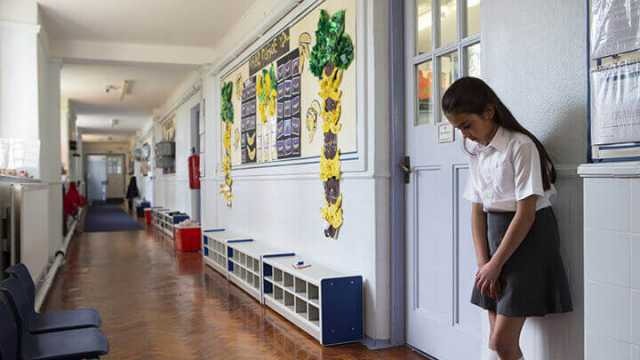
Linking Exclusions to Offending:
Research indicates a troubling correlation between school exclusions and subsequent criminal behaviour. Statistics reveal that students who are excluded are significantly more likely to offend, with some studies showing that nearly 50% of excluded students may face criminal charges within a few years.
Social and economic factors play a crucial role in this trend; students from disadvantaged backgrounds often lack access to supportive resources, making them more vulnerable to negative influences. Case studies illustrate this connection, such as individuals who, after being excluded, found themselves in environments that perpetuated criminal activity.
Understanding this correlation is vital for developing interventions that can help break the cycle and support at-risk youth.
Custodial Sentences: The Consequences:
Custodial sentences are court-imposed penalties that require individuals to serve time in a correctional facility, primarily aimed at punishing and rehabilitating offenders. For young people, receiving a custodial sentence can have devastating effects, disrupting their education, relationships, and future opportunities.
The stigma associated with incarceration can lead to social isolation and hinder reintegration into society. Moreover, the cycle of reoffending is a significant concern; studies show that young offenders who serve custodial sentences are more likely to reoffend upon release.
This cycle not only affects the individuals involved but also has broader implications for society, including increased crime rates and strain on the justice system. Understanding these consequences is crucial for effective intervention strategies.

Breaking the Cycle:
To break the cycle of detentions, exclusions, and offending, schools can explore alternative disciplinary measures that focus on restorative practices rather than punitive actions. Implementing programmes that encourage dialogue and conflict resolution can foster a more supportive environment.
Community support and intervention programmes also play a vital role; partnerships with local organisations can provide resources and mentorship for at-risk students. Additionally, the importance of early intervention cannot be overstated. Identifying behavioural issues early and providing mental health support can significantly reduce the likelihood of students facing detentions or exclusions.
By adopting a holistic approach that prioritises understanding and support, we can create pathways for positive outcomes and healthier futures for all students.
Conclusion:
We explored the troubling connection between school detentions, exclusions, and custodial sentences, highlighting how punitive measures can lead to a cycle of disengagement and criminal behaviour. The importance of addressing these issues not only for the well-being of individual students but also for the future of our society.
By implementing alternative disciplinary measures, fostering community support, and prioritising early intervention, we can create a more supportive educational environment. If you found this discussion valuable, please subscribe to our channel, like this video, and share it with others to raise awareness about these critical issues.
Sally And W4 Youth Team

