
W4 Youth blogs provide an educational resource for the youth. They are offered with an extensive variety of different youth-related developmental topics to support youth personal development and future success. Each blog entry reflects the W4 Youth mission as a source to help youth learn to be resilient, develop critical thinking skills and grow thoughtfully while exploring the opportunities.
What Youth Sports Teach
Young People About Failure?
Many people believe that failure is something to be avoided. Failure, however, turns into one of the most effective teaching tools for personal development in youth sports. Young athletes have the chance to build resilience, emotional control, and perseverance with each missed goal, lost game, or challenging training session.
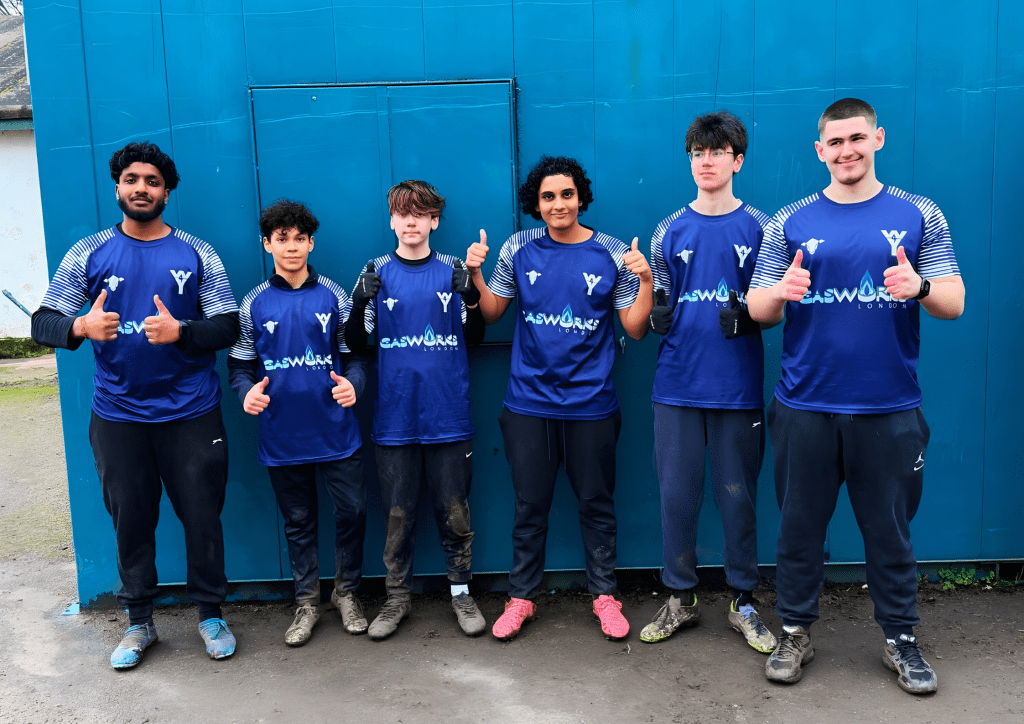
According to UK research, young people who play sports have better resilience and emotional control scores than their peers who don’t participate in sports. Beyond competition, the lessons learned on the pitch influence how young people handle obstacles in their daily lives, careers, and academic pursuits.
The real result of youth sports is growth, not failure.
How Youth Sports Turn Failure Into Growth
Setbacks are inevitable in sports. Athletes make mistakes, teams lose games, and training can be mentally and physically taxing. However, these encounters teach youth that failure is a necessary part of the process of improving.
When young athletes face challenges, they learn to:
– Reflect on mistakes
– Adjust their strategies
– Work harder to improve
– Develop persistence
Over time, these experiences help them understand that growth is the real goal, not perfection.
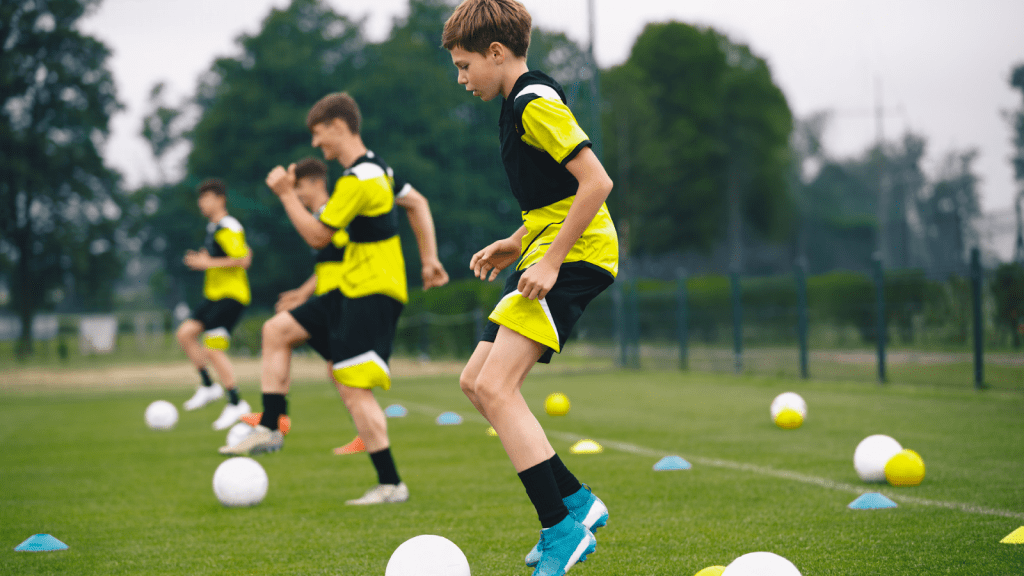
Building Resilience Through Sport
Resilience is the ability to recover from setbacks and continue moving forward. Youth sports provide the perfect environment for building this skill.
When young people compete in sports, they regularly face situations that test their mental strength:
– Losing a match after giving their best effort
– Missing a critical play
– Facing stronger opponents
– Training through difficult conditions
These encounters eventually teach them that development, not perfection, is the true objective.
Sports related resilience frequently transfers to other facets of life, such as relationships with others, career advancement, and academic difficulties.
Developing Emotional Control
Emotional control is another important lesson from youth sports.
Intense emotions such as excitement, disappointment, frustration, and pride are inevitably brought on by competition. Young athletes learn healthy coping mechanisms for these emotions through coaching, teamwork, and experience.
Sports help young people:
– Stay calm under pressure
– Handle disappointment after losses
– Celebrate success respectfully
– Support teammates during difficult moments
These emotional skills are directly linked to better mental wellbeing and long-term success.

Learning To Handle Setbacks
In sports, setbacks are unavoidable, but they also present priceless teaching moments. Athletes learn that setbacks are manageable and transient when they face obstacles. They concentrate on getting better rather than defining themselves by their mistakes.
This mindset teaches young people that:
– Mistakes are part of learning
– Progress takes time and effort
– Persistence leads to improvement
These lessons foster the development of problem-solving abilities and self-assurance, both of which are critical throughout life.
Confidence And Self-Assurance Beyond The Field
Youth sports also build self-assurance. As young athletes practice, improve and overcome challenges, they gain confidence in their abilities.
This confidence often transfers into the following:
– Classroom participation
– Leadership roles
– Career ambitions
– Social interactions
Young people who learn to trust their abilities through sport are more likely to approach life’s challenges with courage and determination.
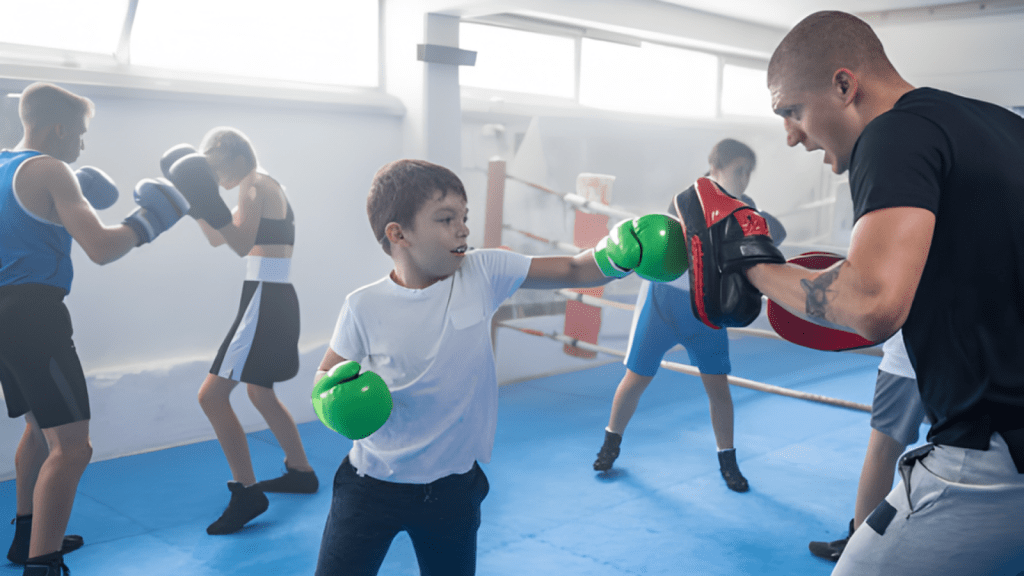
Why Youth Sports Matter for Long-Term Success
The benefits of sports extend far beyond physical fitness. Participation in sports helps young people develop critical life skills such as the following:
– Resilience
– Emotional intelligence
– Perseverance
– Confidence
– Teamwork
These positive traits lead to improved mental health, enhanced relationships and an increased chance of achieving long-term success personally and professionally.
Participating in youth sports teaches an important lesson, the ultimate goal is not winning but rather growing through the process.
Experience with failure plays an important part in developing a young athlete’s abilities; there should never be a fear of failure in sports, as every obstacle, every defeat and every missed opportunity builds resilience in the athlete.
Participation in sports is not only about winning; it also involves the process of recovering from adversity, growing as an individual, and creating a healthier future for all.
Sally And W4 Youth Team
Can Playing Sport Improve
Academic Performance?
An important question that many parents, educators, and youth organisations frequently pose is whether participating in sports can enhance academic achievement. An increasing amount of research indicates that the answer is yes.
Regular sports participation improves focus, memory, brain function, and general cognitive ability in addition to strengthening physical health, all of which support improved academic results.
According to research funded by Youth Sport Trust, students who play sports on a regular basis are more likely to do well academically and focus better in class. Youth sports programmes are crucial for the development of both the body and the mind because of this link between sports and education.

The Link Between Sports And Academic Success
Learning is directly supported by the ways that physical activity stimulates the brain. Young athletes’ bodies improve neural function and mental clarity by increasing blood flow and oxygen to the brain.
Key cognitive benefits of sports include:
– Increased focus and concentration in the classroom
– Improved recall of information
– Improved ability to solve problems and make decisions
– Improved self-control and time management
– Increased mental toughness
– These advantages make it easier for students to retain information and participate in class.
How Physical Activity Improves Brain Function
Exercise increases the brain’s release of chemicals like dopamine, serotonin, and endorphins, which enhance motivation and mood, according to scientific research. Young people are more likely to do better academically when they feel motivated and self-assured.
The hippocampus, the part of the brain in charge of memory and learning, is also stimulated by sports. Because of this, students who engage in regular physical activity frequently encounter:
– Quicker mental processing
– Longer attention span
– Increased involvement in the classroom
For this reason, a lot of education experts advise schools to incorporate sports and physical education into their daily schedules.
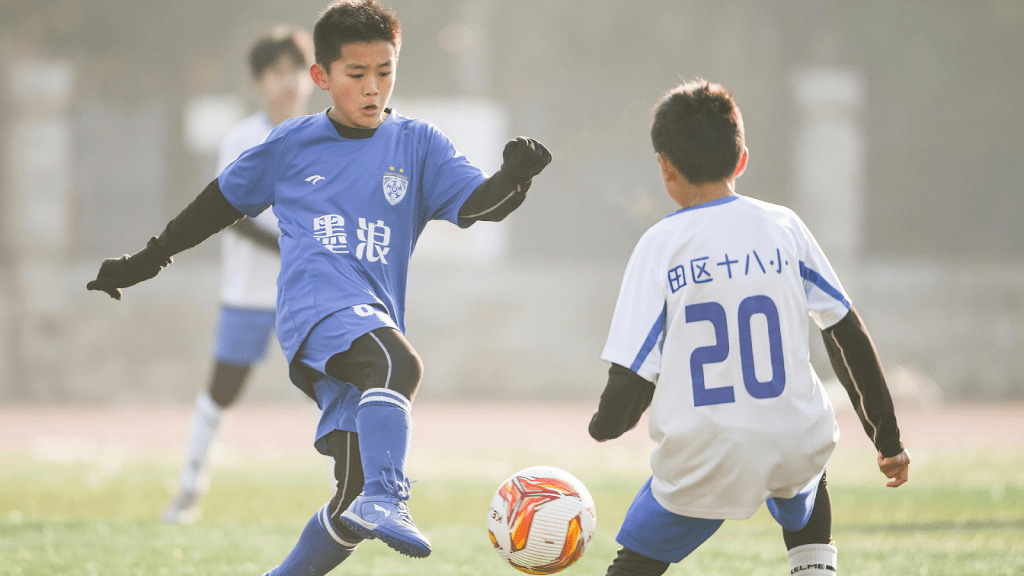
Sports Build Life Skills That Support Education
Beyond cognitive benefits, sports also help young people develop valuable life skills that translate directly into academic success.
These include:
– Teamwork and collaboration
– Goal setting and perseverance
– Self-confidence and leadership
– Time management
– Handling pressure and challenges
Students who learn these skills through sports often become more motivated and confident in their academic journeys
.
Youth Sports As A Platform For Growth
At W4 Youth, sports are more than just physical activities; they are powerful tools for youth development. Every training session and sports activity creates opportunities for young people to:
– Grow personally and socially
– Build positive relationships
– Develop confidence and self-belief
– Stay motivated to achieve their goals
Through youth sports programmes, community work and positive opportunities, young people are encouraged to stay active, connected, and inspired about their future.
Sports environments also foster a sense of belonging, which is crucial for emotional well-being and academic engagement.
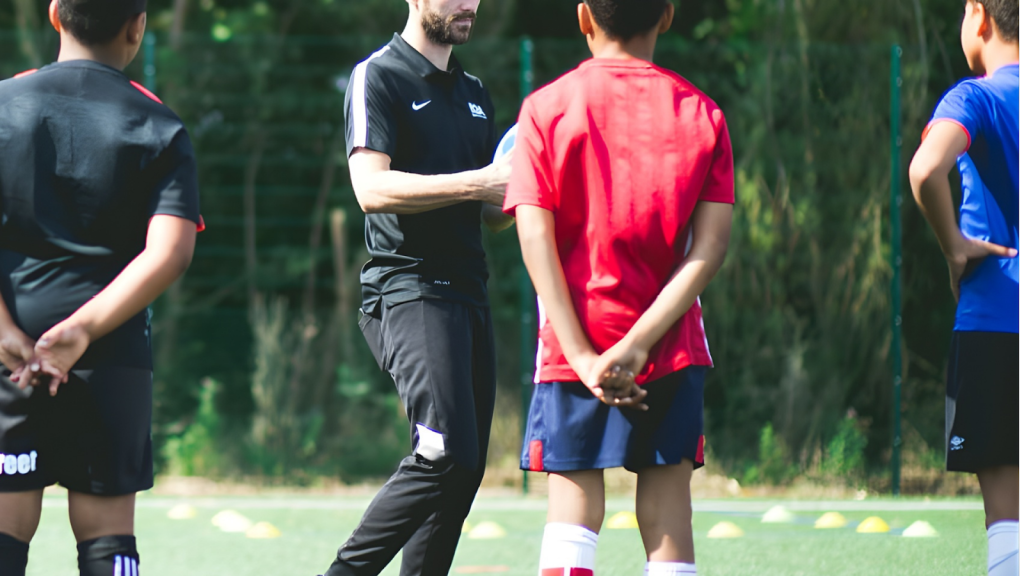
Why Youth Sports Programmes Matter
Community youth organisations play a vital role in providing access to structured sports activities. When young people have opportunities to participate in sports, they are more likely to:
– Stay physically active
– Avoid negative influences
– Develop leadership skills
– Maintain a positive outlook on education
By investing in youth sports development, communities are helping shape confident, resilient, and academically successful young people. The evidence is clear: playing sports can significantly improve academic performance.
Through better brain function, improved focus, and the development of critical life skills, sports help young people succeed both on the field and in the classroom.
For youth organisations like W4 Youth, every sports session represents an opportunity to empower young people to believe in themselves, stay motivated, and pursue their goals in life. When sports and education work together, they create a powerful pathway for young people to thrive.
Sally And W4 Youth Team
How UK Schools Are
Responding To Mobile Phones?
Putting Young People’s Well-Being First, Always! 📵
In an age where smartphones are rarely out of reach, many secondary schools across England have taken a bold and necessary step: banning or heavily restricting mobile phones during the school day.
Recent figures suggest that around 90% of secondary schools in England now have policies in place to limit or completely prohibit phone use on school grounds, a shift that is already showing encouraging results for student wellbeing, classroom behaviour, and academic performance.

Phone-free school environments are helping to create calmer, more focused classrooms. Without the constant buzz of notifications, social media pressures and the temptation to check messages.
Students are able to concentrate more fully on their lessons. Early evidence from schools shows improved attention in class, fewer disruptions, and a more positive learning atmosphere overall, key indicators linked to better learning outcomes and improved concentration in schools.
But the benefits extend far beyond academics. Removing phones from the school day has also supported better mental health among young people. Issues such as online comparison, cyberbullying, and digital overwhelm are widely recognised contributors to rising anxiety levels in teenagers.
Implementing mobile phone bans in schools provides a structured digital break, supporting youth mental health, emotional wellbeing, and stress reduction.

Perhaps one of the most encouraging changes is the return of face-to-face socialising. Schools are reporting stronger in-person social skills, with students spending break and lunchtime talking, laughing, and building friendships rather than scrolling.
These everyday interactions are essential for developing communication skills, empathy, and confidence, all crucial elements of positive youth development and social wellbeing in education settings. When phones are not a distraction, young people thrive, in their learning, their relationships, and their emotional well-being.
Phone-free schools help foster safe, supportive environments where students can build resilience, strengthen real-world connections, and stay focused on their future goals.
Putting young people’s well-being first isn’t just a policy decision, it’s an investment in a healthier, more balanced generation and a stronger future for UK youth support and education. At W4 Youth, creating a focused and positive environment is our priority.
The most important expectation is that young people place their phones in the ‘phone box’ during sessions so they are not distracted and can fully take part in activities.
Sally And W4 Youth Team
Can Youth Communities Shape
Our Understanding of Diversity?
The act of connecting with one another has changed the fabric of London by creating a transformative, powerful energy that many young people now view as a significant transition point away from traditional forms of interaction.
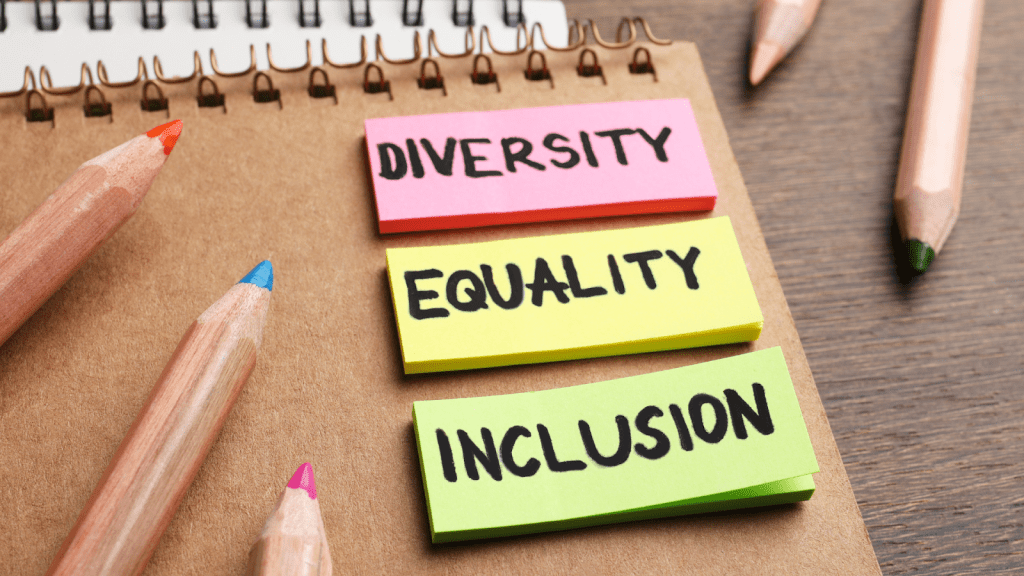
Youth clubs serve as the new ‘smarter’ way for young people to meet and build upon their interests in Sports and other areas where they share common interests (traditional ways). In addition, youth clubs encourage an environment in which young people feel valued and respected for who they are as individuals, and this is what is helping to reshape the way our society perceives diversity.
Participating in these youth organisations has given this particular demographic of youth a large amount of support.
Strong sense of belonging:
For over 78% of the youth of London who belong to a Black, Asian and ethnic minority background, these organisations provide a sense of belonging to them.
Celebrating Differences:
A huge part of what has built this sense of belonging is the opportunity to experience different cultures through shared experiences, laughter and conversations that celebrate, not ignore, each other’s cultural differences.
Empowering Voices:
By providing Youth4Youth (W4Y) with an opportunity for their voice to be heard, young people develop their own leadership capabilities and are able to contribute positively to their communities.
Connected Communities:
When the youth feel as if they belong to a place, they will do everything in their power to create strong, connected communities for all.
Youth clubs in London provide safe spaces where young people can express themselves freely while promoting acceptance, inclusion, and support for diversity.
Sally And W4 Youth Team
Can Youth Work Stop Violence
and Empower Young People?
Many teens feel unsafe and it is devastating!
In the UK, youth violence and gang activity continue to have a serious impact on the regular lives of thousands of young people. Research shows that one out of five teenagers has been a victim of physical violence, while one out of three is afraid of being victimised in certain areas because of gangs and street crime. When fear becomes part of daily life, confidence, opportunities, and the greatest quality of life are all negatively affected.

That is where youth work can create an enormous positive change in a young person’s life.
The connection between young people’s violence and their sense of safety:
Being violent affects not only someone’s physical safety but also affects their mental health, education, relationships, and future goals. A young person who feels fearful every day is less likely to participate in school, have faith in adults, or look positively towards their future.
Preventing youth violence is about more than just enforcement; it also requires early intervention, trust, and safe spaces. These are the essential components of effective youth work.
How youth work is Important for preventing violence:
Through youth clubs and youth workers, 60% of youth that are impacted by violence are served by these services. The service provides the following for youth. It allows for:
– An accessible safe welcome space
– A trusted adult to whom youth can talk to without concern for judgment
– Consistent positive non-judgmental support
– Positive non-judgmental role modeling
– Guidance to enable youth to make good informed and positive life choices
Within youth work, youth are provided equitable opportunities to express themselves freely without fear of judgment while receiving support to build self-efficacy, strengthen emotional regulation and conflict resolution skills, and develop strong social support systems.
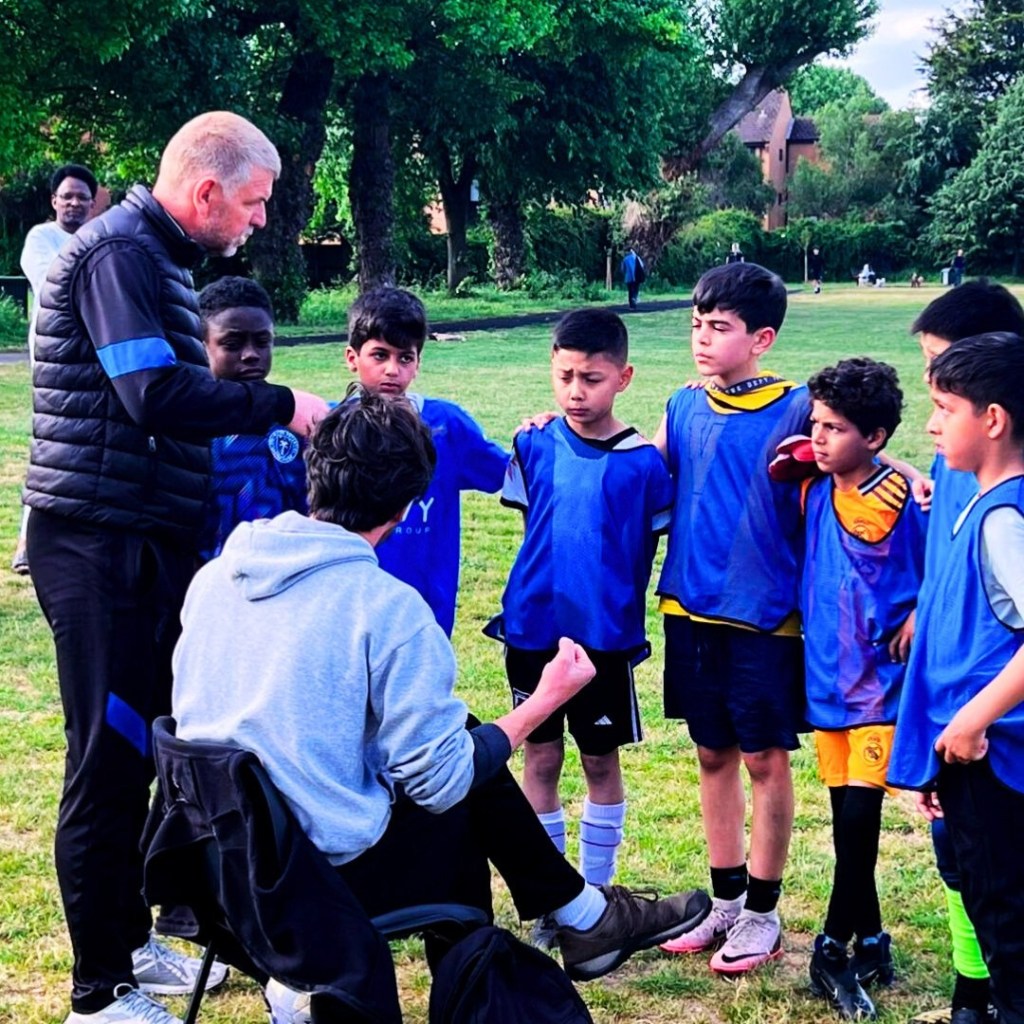
How positive youth development and youth empowerment benefit communities:
Youth work helps not only the immediate benefits for the individual but also creates positive ripple effects for families and community members.
Positive youth work is directly linked with:
– Reducing youth crime and anti-social behaviours
– Improving mental and emotional health
– Increasing participation rates in education and training programs
– Forming healthier relationships and stronger communities
When young people are safe, supported and have positive belief in themselves, they are more likely to attain their goals and fulfill their potential.
Enhancing Youth Development: Prevention, Safety, and Opportunity:
Youth workers do much more than simply provide programs or services to young people. They provide an environment that promotes safe and healthy lifestyles as well as opportunities for growth.
Youth workers are helping to build positive communities by reducing the level of risk associated with being a young person, by helping to develop positive coping skills, and by creating opportunities for success.
Youth workers can help create a better world through their efforts!
Sally And W4 Youth Team
How Does Being Active
Help Young People Thrive?
Sports are not just about scores and body conditioning but also a great way to train your mind and spirit as well. Every day young people around the world, including in London, realise the lessons that they learn while playing sports will help them deal with the challenges of everyday living.

The importance of knowing how to “bounce back” when playing sports, players face obstacles, setbacks and disappointments, e.g., losing a game or missing a goal. throughout their athletic career, young athletes are constantly given the opportunity to work through obstacles facing them directly. by being instrumental in helping young athletes learn the three steps necessary to “bounce back” from adversity, athletes will have a more positive outlook on their future as well as develop their resilience.
The following are the three steps to help young athletes bounce back from adversity:
1. Facing adversity
2. Receiving feedback on what went wrong
3. Learning through exercise and becoming more determined to succeed
The skills that young athletes acquire through “Bouncing Back” will serve them well beyond sports and throughout their lifetime, as they encounter and overcome adversity.
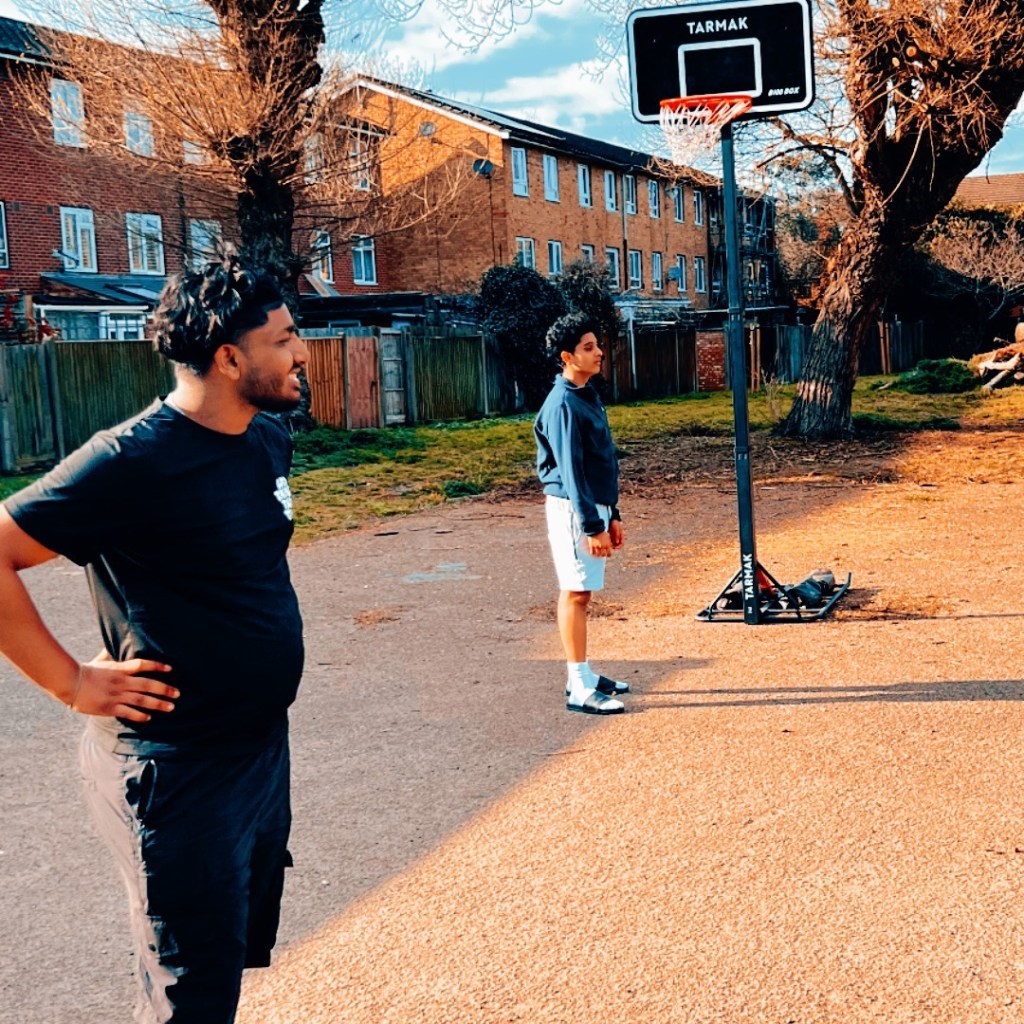
The Power of Sport to Increase Self-Esteem; therefore, kids who participate in sports have increased self-esteem over Non-Participants; this increase in self-esteem carries over into all areas of the kids’ lives, including schoolwork. Athletes have been shown to be able to deal better with pressures associated with being an athlete and to deal better with adversity as it relates to their sport; the increase in confidence from participating in sport has been shown to carry over to their life’s challenges, including schoolwork and Social Challenges.
Overall, just being able to participate in a sport has a tremendous effect on kids turning into resilient leaders prepared for anything life throws their way!
Sally And W4 Youth Team
How Does Being Active
Help Young People Thrive?
London is currently dealing with some serious health issues related to increasing child obesity rates. Although physical activity was once thought to be limited to exercise, it now encompasses all movement and activity that contributes to the foundation of a child’s well-being energy, resilience and happiness.
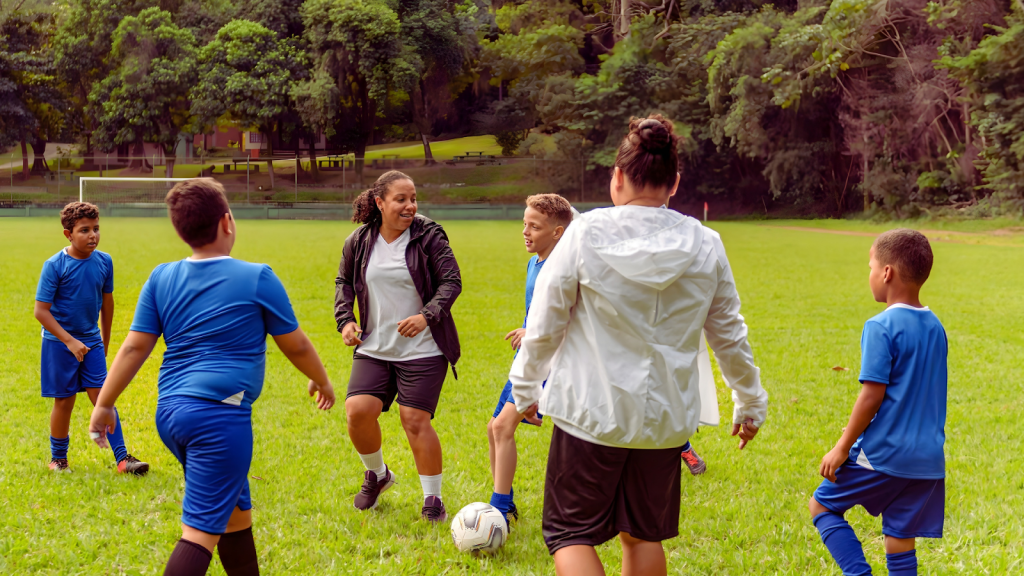
More studies indicate that children who engage in at least an hour of physical activity daily receive significant benefits in every area of their life. Unfortunately, in London currently, only 47% of children and young people meet these guidelines. communities.
The purpose of the 60-Minute Goal is more than just exercising to manage stress; it is a comprehensive solution used by youth to be successful in three main areas of development:
Physical: Building healthy muscles, bones and heart
Mental: Improving concentration & attention in school, decreasing stress and improving mood
Social: Teaching teamwork and communication; helping you create new friendships with confidence

Creating Resilience With Movement:
Encouraging youth to engage in daily movement is building strength (bodily, mentally, and spiritually) for each young person. Many forms of movement will create resilience in youth by teaching them how to overcome obstacles, try again after failure and experience joy through their own progress.
Every young person has the right to play! By providing the opportunities for youth above 47% (our goal) to move their body, we are contributing to a healthier and happier future for the future generation of Londoners.
Sally And W4 Youth Team
How Does Volunteering
Help Youth Succeed?
The impact of volunteering on young people’s success cannot be understated. Research demonstrates that young adults who volunteer will obtain higher levels of academic achievement and greater prospects for future career advancement than those who do not volunteer.
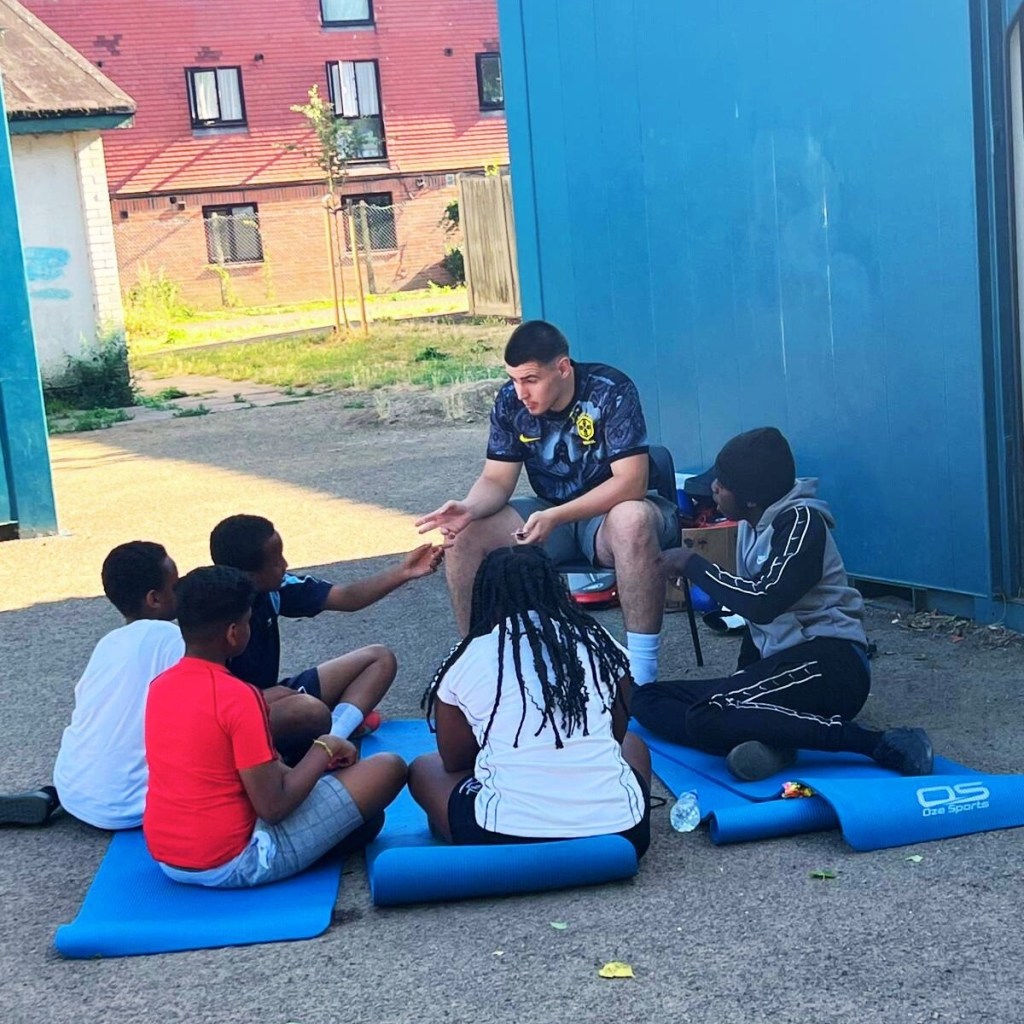
Volunteering provides an opportunity for youth to give back to others in their community while gaining valuable experience to enhance their academic and career trajectories. Through volunteering, youth will gain vital life skills, including confidence, responsibility and purpose, which are all essential in both academia and future careers.
Young people who volunteer for organisations have a much greater chance of becoming leaders themselves than non-volunteers; in fact, almost half (47%) of students who volunteer acquire leadership skills and stand out academically, professionally, and throughout their entire lives.
Volunteering teaches young people many important lessons. Volunteering fosters confidence and provides an avenue for young people to realise the positive effects of their work. As leadership skills develop from practical experience, using these abilities will be instinctive for them.
The Role Of Youth Workers
Youth workers walk alongside young people rather than giving them instructions. Alongside them, not in front of or behind them.
Youth workers assist young people in overcoming obstacles pertaining to mental health, identity, relationships, education, and life transitions through genuine connections. Youth workers offer support, encouragement, and consistency to young people who are going through difficult times, finding their strengths, or learning how to speak up for themselves.
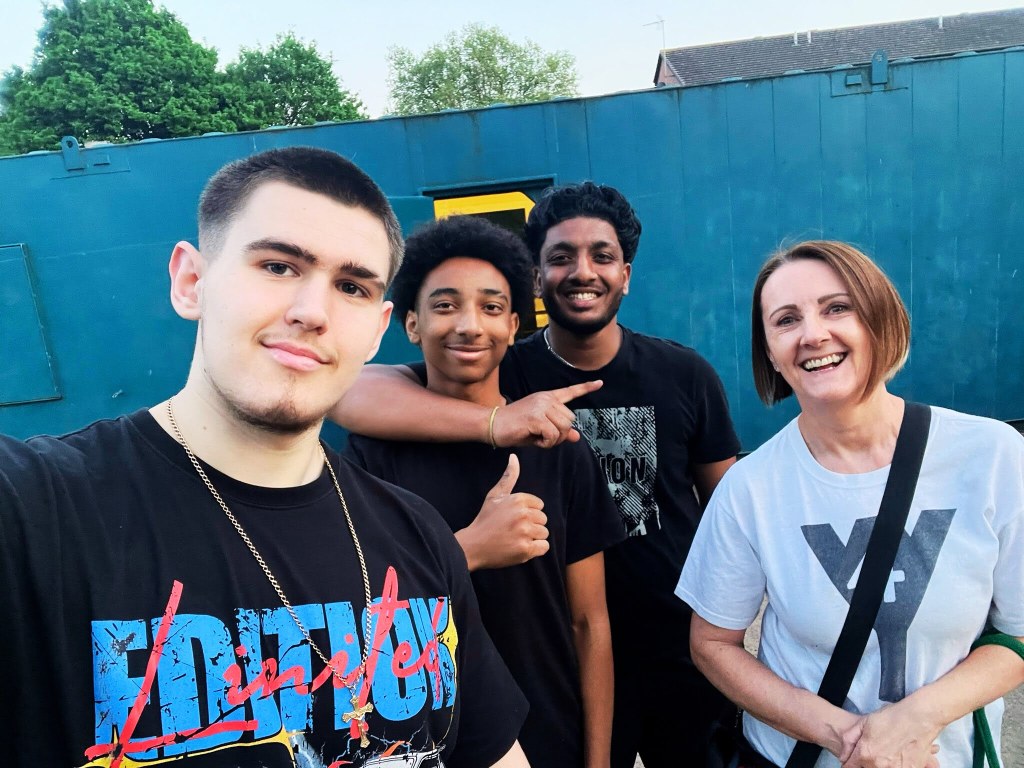
The Significance Of Youth Work:
In order to empower youth and build stronger communities, youth work is essential. By concentrating on:
– Self-assurance and empowerment
– Mental and emotional health
– Social and personal growth
– Resilience and life skills
– Good connections and a sense of belonging
Youth work supports young people in overcoming obstacles as well as coping with them.
Youth Employment And Individual Growth:
Youth work helps young people find their purpose, grow, and heal. It values the full person, including identity, voice, emotional health, and creativity in addition to academic achievement.
By funding youth work, we support young people’s potential for the future as well as their current selves.

Why Volunteering Is Important:
Volunteering provides a dual advantage for society and individuals. Volunteering is an excellent method of strengthening communities while developing an individual into a self-assured and prepared leader, who will be able to influence their future.
When young people are engaged in a volunteer role, they are able to contribute to the welfare of others while developing their own ability to achieve.
Sally And W4 Youth Team
What Is Youth Work?
There is a strong environment where young people are seen, heard, and genuinely valued outside of the classroom. Youth work is done in that area. Youth work meets young people where they are in life and helps them learn, develop, and realise their full potential outside of formal education.

What Is Youth Work?
Youth work is a relationship-based approach that emphasises young people’s social, emotional, and personal growth. Youth work is voluntary, meaning that young people choose to participate, in contrast to formal education. This decision, which is based on genuine connection, respect, and trust, is what makes youth work so powerful.
Fundamentally, youth work fosters inclusive, safe spaces where young people can explore their identities, gain self-assurance, and develop life skills that will help them succeed in the future.
The Role of Youth Workers
Youth workers walk alongside young people rather than giving them instructions. Alongside them, not in front of or behind them.
Youth workers assist young people in overcoming obstacles pertaining to mental health, identity, relationships, education, and life transitions through genuine connections. Youth workers offer support, encouragement, and consistency to young people who are going through difficult times, finding their strengths, or learning how to speak up for themselves.

The Significance of Youth Work
In order to empower youth and build stronger communities, youth work is essential. By concentrating on:
– Self-assurance and empowerment
– Mental and emotional health
– Social and personal growth
– Resilience and life skills
– Good connections and a sense of belonging
Youth work supports young people in overcoming obstacles as well as coping with them.
Youth Employment and Individual Growth:
Youth work helps young people find their purpose, grow, and heal. It values the full person, including identity, voice, emotional health, and creativity in addition to academic achievement.
By funding youth work, we support young people’s potential for the future as well as their current selves.
Sally And W4 Youth Team
The Role of Sports
In Youth Development
In today’s fast-paced world, the role of sports in youth development cannot be overstated. Engaging in activities like football and basketball offers young people more than just a way to stay active; it provides essential life skills that shape their futures. These sports foster teamwork, teaching kids how to collaborate and communicate effectively with others.
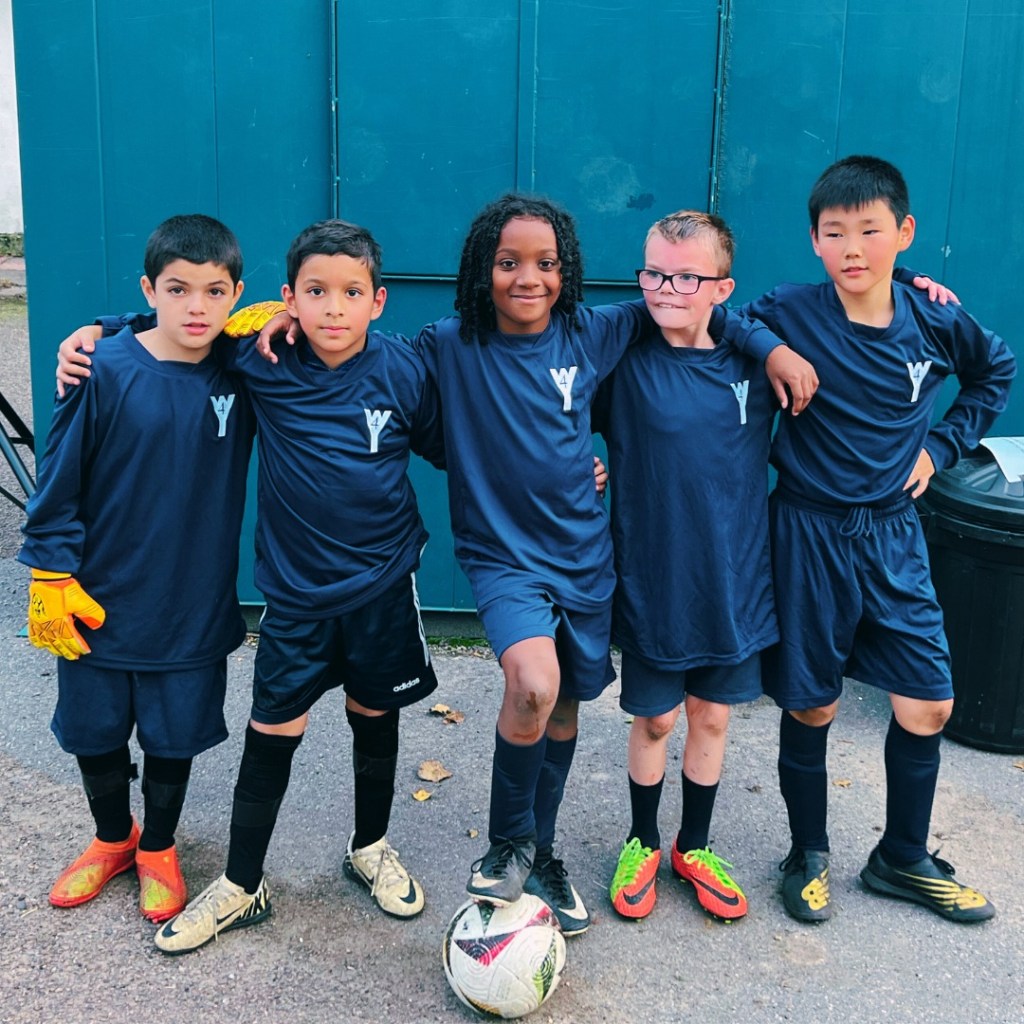
Additionally, they instill discipline, as young athletes learn the importance of practice, commitment, and perseverance. Beyond the mental and social benefits, participating in sports significantly enhances physical health, promoting a lifestyle that values fitness and well-being. As we explore the profound impact of sports on youth development, it becomes clear that these activities are not just games; they are vital tools for nurturing well-rounded individuals ready to face life’s challenges.
The Importance of Teamwork:
Team sports like football and basketball are excellent platforms for promoting teamwork among young participants. These activities require collaboration, as players must communicate and strategise to achieve a common goal: winning the game. This shared experience fosters a sense of belonging and teaches kids the value of working together. The benefits of teamwork extend beyond the field; young athletes learn to trust one another, resolve conflicts, and celebrate collective achievements.
For instance, successful teams exemplify how collaboration can lead to remarkable accomplishments. Their achievements inspire youth, showing that when individuals unite their strengths, they can overcome challenges and reach new heights. Ultimately, these experiences shape character and prepare young people for future teamwork in various aspects of life.
Fostering Discipline:
Sports play a crucial role in instilling discipline in youth, as they require a significant commitment to practice and improvement. Young athletes learn that consistent effort is essential for honing their skills and achieving their goals. This dedication fosters a strong work ethic that often translates into other areas of life, such as academics and personal relationships.
For example, renowned footballers like Marcus Rashford and Bukayo Saka exemplify discipline through their rigorous training and unwavering focus on their sport. Their stories inspire young people to adopt similar habits, demonstrating that discipline is key to success. By embracing the challenges of sports, youth not only develop athletic prowess but also cultivate resilience and determination, equipping them with valuable life skills that will serve them well beyond the playing field.
Promoting Physical Health:
Participation in sports like football and basketball significantly enhances physical health among youth. Engaging in these activities improves cardiovascular fitness, builds muscle strength, and enhances flexibility, all of which contribute to overall well-being. Regular exercise is crucial for youth development, as it helps combat obesity and reduces the risk of chronic diseases.
Children and adolescents who engage in regular physical activity are more likely to maintain a healthy weight and experience improved mental health. Additionally, studies show that youth involved in sports have higher levels of self-esteem and lower rates of anxiety and depression. By promoting an active lifestyle through sports, we not only foster healthier habits but also empower young individuals to thrive physically and mentally throughout their lives.
Building Social Skills:
Sports play a vital role in developing social skills among young people by providing opportunities for interaction and collaboration with teammates. Engaging in team activities fosters essential communication skills, as players must convey strategies, offer encouragement, and resolve conflicts on the field. Additionally, sports serve as a platform for building friendships and networks, creating bonds that often extend beyond the game. For instance, many young athletes report that their closest friendships were formed during practices and competitions.
In summary, the role of sports in youth development is profound, emphasising the importance of teamwork, discipline, and physical health. Through engaging in team sports like football and basketball, young people learn to collaborate effectively, develop a strong work ethic, and enhance their overall well-being. These experiences not only contribute to their athletic abilities but also foster personal growth and social connections. We encourage our community to participate in sports as a means of personal development, embracing the valuable life skills that come with it.
Sally And W4 Youth Team
The Role of Arts in Youth Development
(including Street Dance)
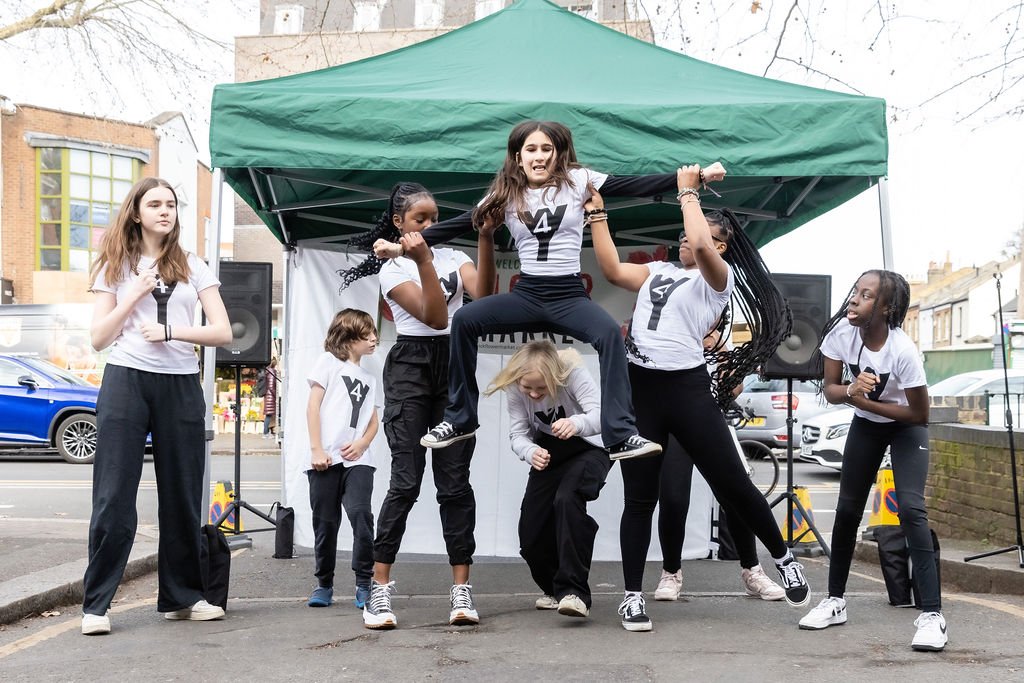
The vibrant world of street dance and musical theatre, two dynamic art forms that play a crucial role in youth culture. Our programme provides a platform for self-expression but also fosters a sense of community among young people.
Street dance, with its roots in urban culture, encourages individuality and improvisation, while musical theatre combines storytelling with movement, allowing youth to explore diverse narratives and emotions. Together, they empower young people to break boundaries and showcase their talents.
Understanding Street Dance:
Street dance has its roots in the vibrant urban landscapes of the late 20th century, evolving from various cultural influences. Styles like breakdancing, locking, and popping each bring unique movements and histories, showcasing the creativity and individuality of dancers. Breakdancing, known for its acrobatic flair, emerged in the Bronx, while locking and popping originated from the funk music scene in California.
Beyond just a dance form, street dance serves as a powerful tool for community building and self-expression, allowing youth to connect and share their stories. Notable street dance crews, such as the Jabbawockeez and Quest Crew, have gained international recognition, inspiring countless young dancers to participate in competitions.
The Essence of Musical Theatre:
Musical theatre is a captivating art form that combines acting, singing, and dancing to tell compelling stories. This unique blend creates an immersive experience that resonates deeply with young audiences. At its core, musical theatre emphasises storytelling and character development, allowing youth to connect with diverse narratives and explore complex emotions.
Engaging young performers through relatable themes and dynamic characters, musicals provide a platform for self-discovery and creativity. Popular youth-friendly productions like “Annie,” “The Lion King,” and “High School Musical” not only entertain but also inspire young talent to express themselves on stage. These shows encourage collaboration and teamwork, fostering a sense of community among performers. As we delve into the world of musical theatre, we uncover its magic and the profound impact it has on young hearts and minds.
Benefits of Participation:
Engaging in street dance and musical theatre offers a multitude of benefits for youth, enhancing their physical, emotional, and social well-being. These art forms promote physical fitness, improving strength, coordination, and flexibility while providing a fun outlet for self-expression. Emotionally, they help build confidence and resilience, allowing young people to navigate challenges and express their feelings creatively. Socially, participation fosters teamwork and discipline, as dancers and performers collaborate to create something beautiful together.
Personal stories from youth involved in these activities often highlight transformative experiences; for instance, a young dancer may share how street dance helped them overcome shyness, while a musical theatre performer might describe the joy of connecting with friends through shared passion. These testimonials illustrate the profound impact that engaging in the arts can have on young lives, shaping their futures in meaningful ways.
Getting Involved:
If you’re a youth interested in joining the exciting worlds of street dance or musical theatre, you can get started by joining our Street Dance and Musical Theatre Groups. Details of when they’re available are on this site.
In conclusion, street dance and musical theatre play a vital role in youth development, offering unique opportunities for self-expression, creativity, and community building. We’ve explored how these art forms empower young people, fostering physical fitness, emotional resilience, and social connections.
The benefits of participation are clear, from enhancing teamwork and discipline
to providing a supportive environment where youth can thrive.
Sally And W4 Youth Team
How School Detentions Lead to Offending and Custodial Sentences!
Research shows that punitive school discipline can create a cycle that pushes students towards criminal behaviour. When students face repeated detentions or exclusions, they may feel alienated and disengaged, leading to a higher likelihood of offending. This topic is not just relevant for educators but also for policymakers who shape our educational systems. Understanding this cycle is essential for creating effective interventions that can break the pattern and foster a more supportive environment for all students. Let’s explore this thought-provoking issue together.

Understanding School Detentions:
School detentions are disciplinary measures used by educators to address student misbehaviour and maintain a structured learning environment. Typically, students receive detentions for reasons such as tardiness, disruptive behaviour, or failing to complete assignments. While the intended purpose of detentions is to encourage accountability and reflection, the reality can be more complex. Repeated detentions may lead to feelings of frustration, alienation, and low self-esteem among students.
This psychological impact can create a negative cycle, where students feel increasingly disconnected from their school community. Understanding the nuances of school detentions is crucial for educators to implement more effective and supportive disciplinary strategies that promote positive behaviour and engagement.
The Path to Exclusions:
Repeated detentions can set students on a troubling path towards school exclusions, a process that involves removing a student from the school environment due to persistent behavioural issues. Exclusions often stem from a combination of factors, including the severity of the misbehaviour, the student’s history of detentions, and the school’s disciplinary policies.
The implications for students are significant; exclusion can disrupt their education and lead to feelings of isolation and stigmatisation. Long-term effects may include diminished academic opportunities, increased likelihood of disengagement from education, and a higher risk of involvement in criminal activities.
Understanding this pathway is essential for educators to implement preventive measures that support at-risk students.

Linking Exclusions to Offending:
Research indicates a troubling correlation between school exclusions and subsequent criminal behaviour. Statistics reveal that students who are excluded are significantly more likely to offend, with some studies showing that nearly 50% of excluded students may face criminal charges within a few years.
Social and economic factors play a crucial role in this trend; students from disadvantaged backgrounds often lack access to supportive resources, making them more vulnerable to negative influences. Case studies illustrate this connection, such as individuals who, after being excluded, found themselves in environments that perpetuated criminal activity.
Understanding this correlation is vital for developing interventions that can help break the cycle and support at-risk youth.
Custodial Sentences: The Consequences:
Custodial sentences are court-imposed penalties that require individuals to serve time in a correctional facility, primarily aimed at punishing and rehabilitating offenders. For young people, receiving a custodial sentence can have devastating effects, disrupting their education, relationships, and future opportunities.
The stigma associated with incarceration can lead to social isolation and hinder reintegration into society. Moreover, the cycle of reoffending is a significant concern; studies show that young offenders who serve custodial sentences are more likely to reoffend upon release.
This cycle not only affects the individuals involved but also has broader implications for society, including increased crime rates and strain on the justice system. Understanding these consequences is crucial for effective intervention strategies.

Breaking the Cycle:
To break the cycle of detentions, exclusions, and offending, schools can explore alternative disciplinary measures that focus on restorative practices rather than punitive actions. Implementing programmes that encourage dialogue and conflict resolution can foster a more supportive environment.
Community support and intervention programmes also play a vital role; partnerships with local organisations can provide resources and mentorship for at-risk students. Additionally, the importance of early intervention cannot be overstated. Identifying behavioural issues early and providing mental health support can significantly reduce the likelihood of students facing detentions or exclusions.
By adopting a holistic approach that prioritises understanding and support, we can create pathways for positive outcomes and healthier futures for all students.
Conclusion:
We explored the troubling connection between school detentions, exclusions, and custodial sentences, highlighting how punitive measures can lead to a cycle of disengagement and criminal behaviour. The importance of addressing these issues not only for the well-being of individual students but also for the future of our society.
By implementing alternative disciplinary measures, fostering community support, and prioritising early intervention, we can create a more supportive educational environment. If you found this discussion valuable, please subscribe to our channel, like this video, and share it with others to raise awareness about these critical issues.
Sally And W4 Youth Team
 W4 Youth